
Last updated November 23, 2026
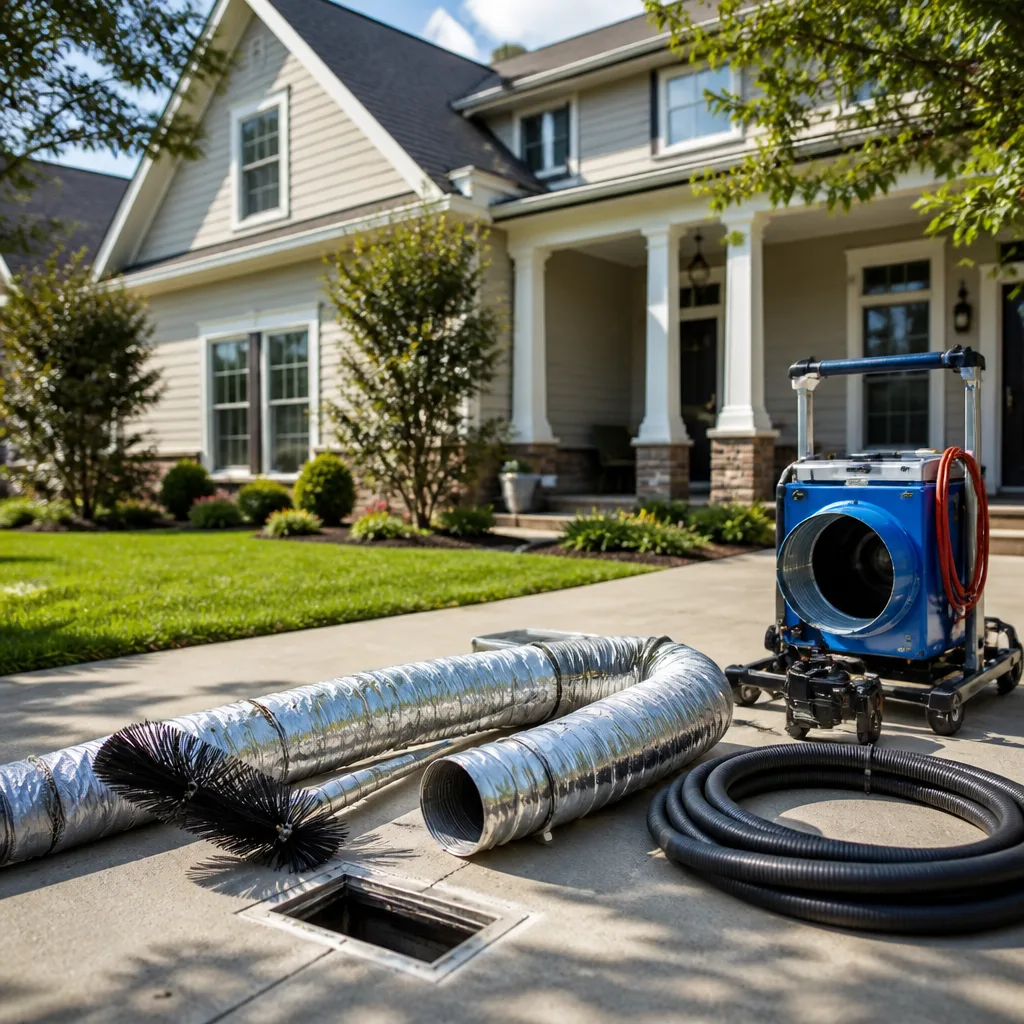 Whole-home duct cleaning
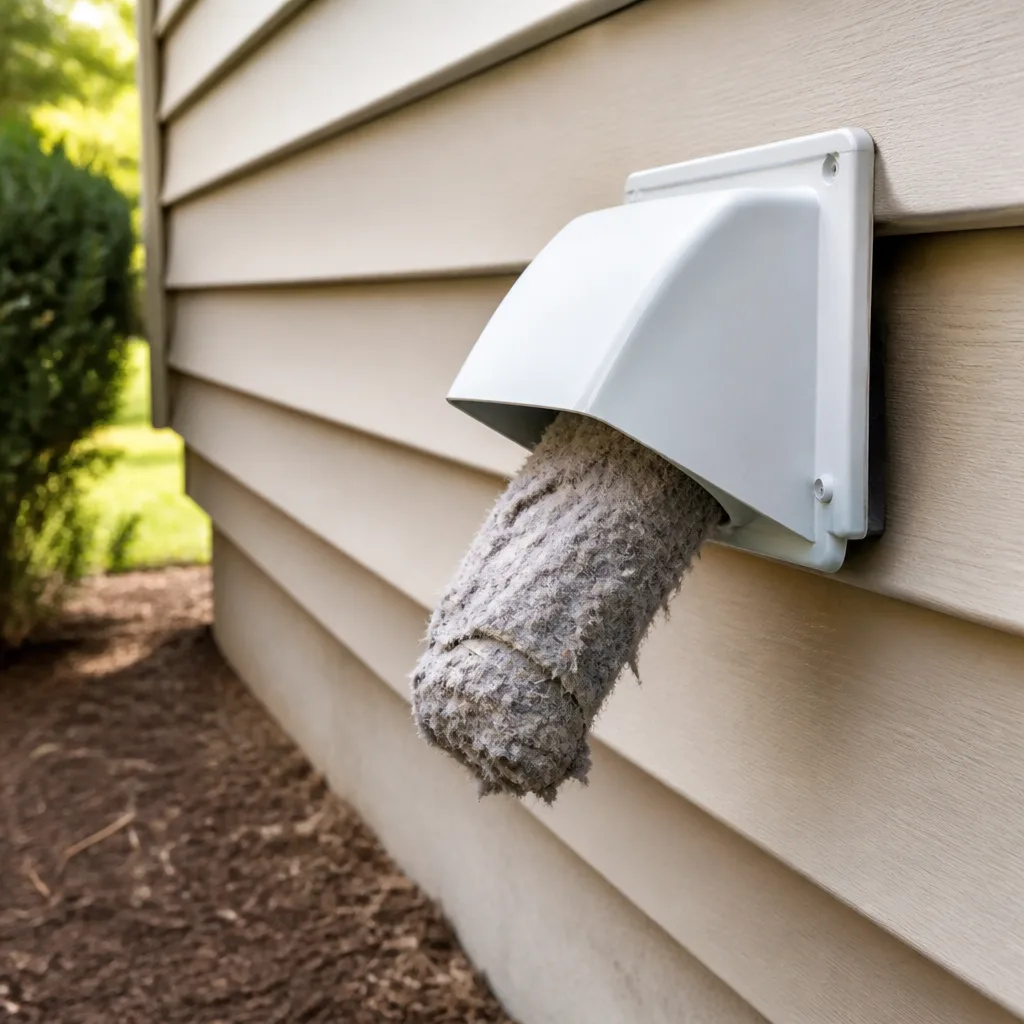 Dryer vent cleaning
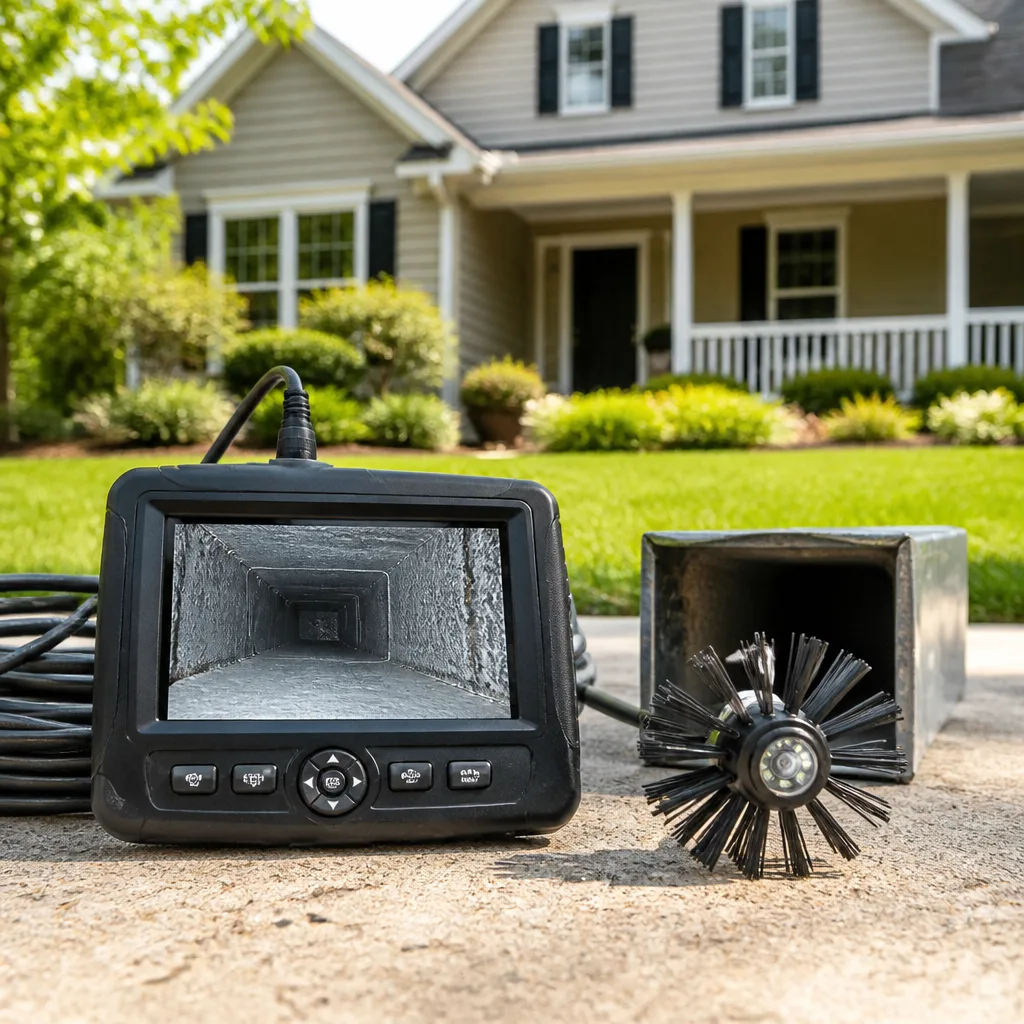 Camera inspection
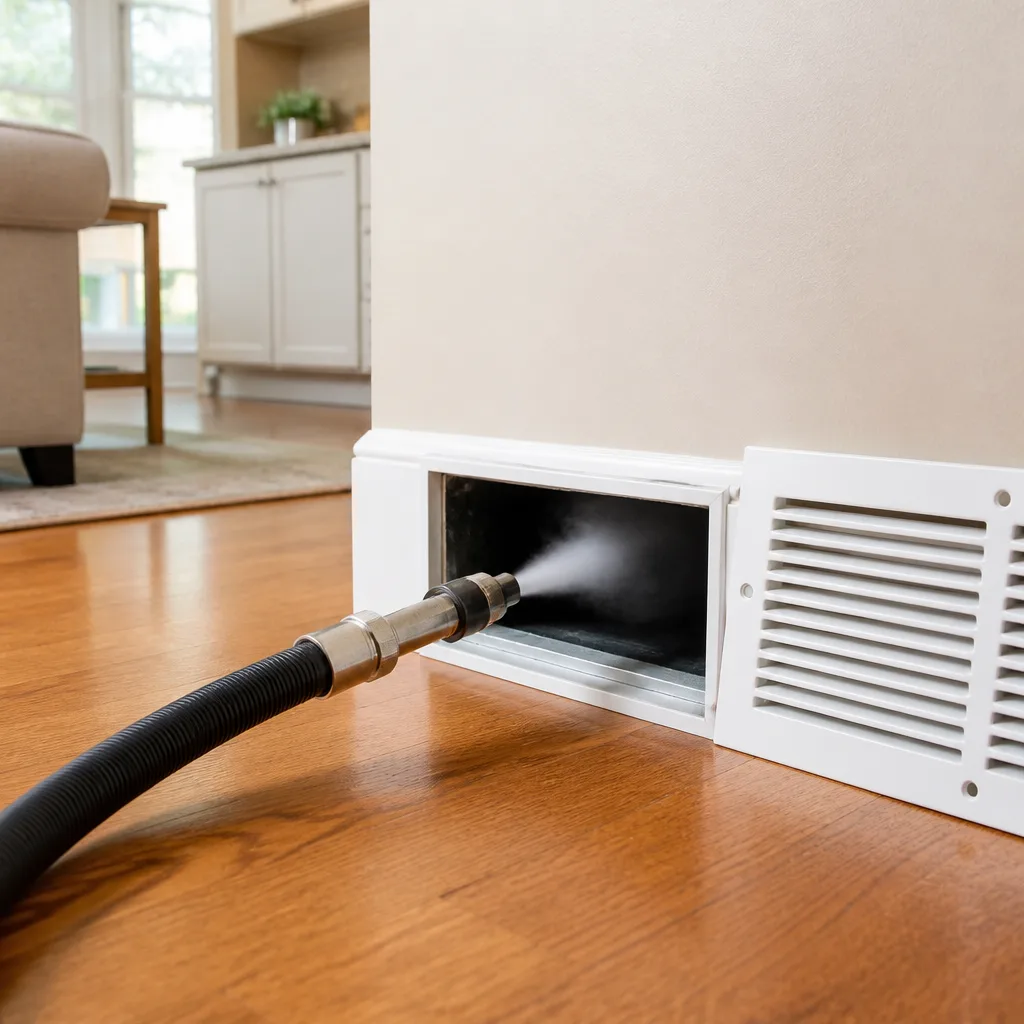 Sanitizing & deodorizing
Whole-system duct and dryer vent check with before-and-after photos - you see exactly what came out of your vents
That "$99 whole-house special" is a bait ad - the real number appears once they are in your hallway, or the "clean" is a shop-vac at the register. We photograph the inside of your ducts before and after instead.
The Complete Guide to Air Duct Cleaning in Lakewood
Most Lakewood homeowners assume their ducts are simply dirty, and that any vacuum with a long hose will fix it. That assumption is the reason so many cleanings disappoint. Dust buildup, mold growth, construction residue and pest activity are four different conditions, and each one needs a different cleaning protocol. Treat them the same and you’ll pay for a job that looks done but leaves the source in place. This guide maps Lakewood’s actual housing stock and high-altitude climate to the right process for each scenario, explains how a proper job is verified, and tells you what to ask before anyone drives to your door.
Quick Answer
A proper air duct cleaning in Lakewood means source removal: mechanically agitating every duct wall with a rotary brush, capturing the debris at the source with HEPA extraction, and then verifying the result before the crew leaves. A single pass with a shop-vac or a compressed-air blowout does not count. The right approach for your home depends on which contamination type you’re dealing with, and a pre-cleaning inspection is what tells you.
Styles & brands we work with
- Whole-home duct cleaning
- Dryer vent cleaning
- Camera inspection
- Sanitizing & deodorizing
Table of Contents
- Why Lakewood Ducts Get Dirty For Reasons Denver’s Often Don’t
- The Four Lakewood Home Types and How Their Ducts Differ
- Reading Your Pre-Cleaning Inspection Report
- Source Removal vs. Contact Vacuum: What’s the Difference?
- How a Professional-Grade Duct Cleaning Actually Runs, Step by Step
- What a Finished Job Should Look Like
- When Cleaning Isn’t Enough: Duct Repair and Sealing
- Dryer Vents, HVAC Coils and Air Quality Add-Ons
Why Lakewood Ducts Get Dirty For Reasons Denver’s Often Don’t
Lakewood sits at roughly 5,400 feet, and that elevation changes how a duct system collects debris. The air here is thin and dry for much of the year, with low humidity that keeps fine particulate suspended longer. Dust that would settle to a floor in a humid climate stays airborne and keeps traveling through the return, past the filter, and into the supply runs. Over a season, that means more fine accumulation on duct walls than you’d get closer to sea level.
Then there’s the Front Range smoke. Wildfire smoke from the mountains and foothills pushes east across the metro, and Lakewood sits squarely in its path. Fine smoke particles ride the same airstream as household dust and get pulled into the return. Some is caught by the filter. The rest coats the inside of the ductwork, and once it settles it doesn’t come back out on its own. Homes near the foothills edge of Lakewood, closer to the Green Mountain and Bear Creek open spaces, tend to see this pattern most clearly.
There’s a third factor specific to property managers and owners of older Lakewood stock: evaporative coolers, or swamp coolers, common in Front Range homes built before central air became standard. These push humid, mineral-laden air into the same ducting that later gets used for forced-air heat. The result is dust that cakes onto duct walls rather than sitting loose, and in some cases mineral residue that a light vacuum won’t touch.
Put those three together and you get contamination that’s more varied than a generic “dusty ducts” pitch suggests. That’s the reason Lakewood Air Duct Cleaning Experts treats the system as something to diagnose first and clean second. A flat-rate blowout misses all three.
The Four Lakewood Home Types and How Their Ducts Differ
Drive through Lakewood and you pass at least four distinct generations of housing. Each one has a different duct system, and each needs a different access strategy and cleaning approach. Knowing which one you’re in tells you what to expect before the crew arrives.
- Original 1960s – 1980s ranch homes (Eiber, Cloverdale, Morse Park and similar neighborhoods): Forced-air systems from this era were often put in with rigid galvanized trunk lines and short flex runs to floor registers. Ductwork can be tight, with returns routed through wall cavities. Access is usually straightforward from floor registers, but the ducting often has decades of settled debris at the low points and corners. Cleaning needs to cover the trunk line and returns, not just the visible branches.
- Newer high-efficiency builds (Solterra and similar developments): Tighter building envelopes mean less air leakage, so a higher share of household dust actually ends up inside the duct system rather than escaping through gaps. Systems are often engineered with flexible ducting and central returns, which require careful brush selection so a rotary brush doesn’t strain the duct liner. Construction dust from the build can also linger if a system was never fully cleaned after the finish work.
- Homes with evaporative coolers, either active or converted: Ducting here has often seen both humid evaporative air and dry forced-air heat, which produces caked-on deposits on duct walls. Access needs to include the cooler-side ducting as well as the main run, and the inspection should check for mineral residue and moisture damage.
- Mid-century and older homes with retrofit ductwork: Duct additions from multiple remodels mean the system may have mismatched duct material, tight elbows, and non-standard transitions. These are the ones that most often benefit from a full duct repair and sealing pass alongside cleaning.
None of this is guesswork. An inspection at the register tells a trained technician which category the home falls into, and that decides the tooling. If you’re in a newer Solterra home with a tight envelope, a standard rotary brush with a stiff head can do more harm than good. If you’re in a 1970s ranch in Eiber, skipping the trunk line cleaning leaves most of the debris in place.
Reading Your Pre-Cleaning Inspection Report
Before any legitimate cleaning starts, a technician should inspect the system and tell you which contamination type you have. If a crew offers to clean without looking at anything beyond removing a register, that’s your signal to slow down. Here’s how to read what you’re told.
Dust and debris buildup. The most common finding. The inspection should describe where it’s heaviest: along the trunk line, at low points, or in the return where air slows down. If the report only says “your ducts are dirty,” ask specifically where the buildup is concentrated and how it was measured. A real inspection identifies zones.
Microbial growth. Mold and mildew can take hold in ducting near a swamp cooler, near any past moisture intrusion, or in humidified air handling. Microbial growth is a contaminant-control issue, not a cosmetic one, and it calls for a different protocol: containment, HEPA filtration, and often an antimicrobial treatment after cleaning. This is where professional abatement-grade equipment matters. Abatement Technologies air filtration units are a standard in professional mold and contaminant work, and they belong on-site when a report flags microbial growth.
Construction residue. Drywall dust, sawdust and debris left behind from a remodel can lodge in the duct system and never fully clear through regular filtration. If your Lakewood home had work done recently, ask specifically whether the inspection looked for construction residue, since a standard cleaning pass on the wrong system may push it back into the living space rather than capture it.
Pest activity. Rodent droppings, nesting material, or dead insects in the ducting are a distinct scenario. They require containment-first handling and a sanitizing step after removal, not a routine cleaning.
Ask for the inspection findings in writing. Not a scrawled note, but an actual description of what’s in the system and where. That report should determine the protocol, not the other way around.
Source Removal vs. Contact Vacuum: What’s the Difference?
There are two very different ways to clean a duct system, and the difference explains why results vary so widely.
Contact vacuum cleaning is what most cheap offers amount to. A technician runs a vacuum through the ducts and pulls at what’s reachable. It removes some surface dust and leaves the rest stuck to the duct walls. There’s no mechanical agitation, so caked deposits, caked mineral residue, and anything in the corners of the trunk line stay put. If someone tells you a one-hour job “cleaned the whole system,” this is probably what happened.
Source removal cleaning is what NADCA (National Air Duct Cleaners Association) standards call for. It means two things happen together: the duct surfaces are mechanically agitated, and the debris is captured at the source with HEPA filtration rather than blown through the house.
The tools used for each step matter. Rotary brush extraction systems, like the Rotobrush, are designed specifically to agitate duct walls mechanically so debris lifts off. Then a Nikro HEPA vacuum system captures the dislodged debris at the point of extraction so it doesn’t recirculate into living space. Both steps matter. A brush without HEPA capture just loosens debris into the air. A HEPA vacuum without agitation only reaches what it can touch.
This is the reason air duct cleaning done well takes more than an hour on a typical Lakewood ranch home. The job is mechanical, not just suction. And it’s why we tell homeowners to ask a single question before booking anything: “Are you agitating the duct walls mechanically, and are you capturing with HEPA?” The answer tells you which of the two methods you’re getting.
How a Professional-Grade Duct Cleaning Actually Runs, Step by Step
Here’s what a properly executed cleaning of a Lakewood home should look like from arrival to sign-off. If a crew skips steps in this sequence, ask why.
- Inspect and document. Before any equipment is connected, the technician inspects the system and records findings: contamination type, problem zones, any duct damage or disconnected joints.
- Protect the home. Floor coverings, corner guards and temporary containment at the work area. Any registers that stay in place get sealed during the job.
- Set up negative pressure. A HEPA vacuum is connected to the system, so the inside of the ductwork is under negative pressure before the first brush goes in. This is what keeps dislodged debris from being pushed out of registers into your living room during the job.
- Mechanically agitate every zone. Rotary brush extraction covers the trunk line, branch runs, and returns. This is the step that separates real cleaning from surface vacuuming, and the step that’s skipped on cheap jobs.
- Capture with HEPA and remove debris. The Nikro HEPA unit collects what’s been loosened. The technician confirms the system is clear before equipment comes down.
- Sanitize (when the inspection calls for it). For microbial growth or pest activity, an antimicrobial or sanitizing treatment follows the mechanical cleaning. Guardsman products add a protective layer for duct surfaces that need it.
- Clean the components downstream. Registers, grilles, and the air handler get attention at the same time. A clean duct system feeding into a dirty evaporator coil is only half a job.
- Verify and photograph. Before-and-after photos of the duct interiors, and a walk-through with the homeowner. Then the equipment comes down and the crew clears the work area.
Each step matters because each one fixes a specific failure mode of cheaper cleaning. Skip the negative pressure and you push debris through a Solterra home’s tight envelope. Skip the agitation and debris stays glued to a 1970s ranch’s caked trunk line. Skip the sanitizing and any microbial growth you found during inspection just goes dormant.
What a Finished Job Should Look Like
You shouldn’t have to take anyone’s word for it that a job was done. A professional crew performs verification before leaving, and the standard is specific enough to ask about directly.
- Before-and-after photos from inside the duct system. Every zone that was flagged in the inspection should have photos showing the state before and after cleaning. If a crew can’t produce images from inside the ducts, treat the job as unverified.
- Documented debris removal. The HEPA unit’s collection should be visible to you, not just carried away silently. Any crew that won’t show you the material captured is a crew to ask direct questions of.
- A walk-through with you present. The system is functional, airflow is restored at every register, and any issues the inspection surfaced are explained. Microbes found, pest evidence found, duct damage found – all of it gets discussed.
- Sanitizing records when applicable. If sanitizing was performed, ask what product was used and confirm the follow-up.
- Post-cleaning inspection notes. The same zones flagged in the first inspection get re-examined. What was addressed, what wasn’t, and what remains to be dealt with.
This is the difference between “we ran a vacuum and you paid us” and a service you can actually verify. The before-and-after photos are usually the most useful part, because they’re specific to your home rather than a generic brochure shot.
When Cleaning Isn’t Enough: Duct Repair and Sealing
Cleaning addresses what’s inside the system. Repair and sealing address what’s happened to the system itself. In Lakewood’s older housing stock, this distinction comes up often. A home with disconnected flex runs behind a wall, gaps at the plenum, or duct sections that have settled out of alignment is a home that will keep getting dirty no matter how many times it’s cleaned. Leaky ductwork pulls unfiltered air in from unconditioned spaces – crawlspaces, attics, wall cavities – and that air carries dust, insulation fibers, and in some homes, the musty smell that homeowners notice before they ever think to call.
A duct repair and sealing pass closes those leaks. In our experience, homes that get called back after a cleaning because “it started getting dusty again” almost always have a leak somewhere the first cleaning never touched. Cleaning the duct system without checking for leaks is cleaning a bucket with a hole in the bottom.
This is where the full-spectrum service approach earns its keep. HVAC cleaning, duct repair and sealing, and sanitizing can all be handled in one visit without coordinating multiple contractors. One crew, one assessment, one set of before-and-after photos. It’s the practical alternative to booking a cleaner, then a duct repair contractor, then an HVAC tech, and hoping the three overlap.
Dryer Vents, HVAC Coils and Air Quality Add-Ons
The duct system doesn’t run in isolation, and the components around it affect the air your family actually breathes.
Dryer vent cleaning. This is a safety service, not just a maintenance one. A dryer vent clogged with lint is a fire hazard, and every dryer manufacturer recommends periodic duct cleaning. Lakewood’s dry air doesn’t protect against lint buildup, and a vent that’s restricted also makes the dryer work harder and leaves clothes damp. If the dryer takes two cycles to dry a load, that’s the signal. We handle dryer vent cleaning as part of the same visit so it doesn’t become a separate project.
HVAC coil and air handler cleaning. A clean duct system feeding into a dirty evaporator coil and blower wheel still circulates debris. Cleaning the air handler is where the airflow improvement often actually shows up – uneven cooling in a Lakewood home is often the coil, not the ducts.
Air quality upgrades. If your inspection found fine particulate buildup that keeps coming back, filtration is often the fix. We supply and install Honeywell and Aprilaire air quality systems, so a home that needs better filtration can get it during the cleaning visit rather than as a follow-up. That’s the practical case for installing filtration at the same time: the crew is already inside the system, and the new media cabinet or filter can be sized to what the home actually needs. Air quality you can verify, not just a promise to improve it.
Common Mistakes to Avoid
- Booking on price alone. A cleaning offer that costs less than the equipment the job requires is a cleaning that skips equipment. The vacuum, the brushes and the HEPA capture are all part of the cost, which is why a $99 special cleans surface dust and nothing else.
- Skipping the pre-cleaning inspection. If the crew shows up and goes straight to work without examining anything, you’ll never know whether the cleaning matches your home’s actual contamination type. Insist on the inspection, and ask to see the findings.
- Accepting a compressed-air “blowout.” Compressed air pushes debris downstream and into the living space. It’s the opposite of what a Lakewood home with caked dust and smoke residue actually needs. Ask specifically whether agitation is mechanical and capture is HEPA.
- Ignoring a musty smell between cleanings. A musty odor after a cleaning almost always means microbial growth was missed or duct leaks are pulling in moisture. It’s the signal to inspect, not to clean again with the same crew and the same method.
- Cleaning the ducts without checking the dryer vent. The two share the same building envelope and often the same neglect. A clean duct system and a clogged dryer vent is half a job, and the clogged vent is the one that’s an actual fire hazard.
- Not asking for before-and-after photos. Without photos, you have no way to verify the work happened. A crew that won’t photograph the duct interiors either can’t or won’t prove what they did.
- Assuming newer homes don’t need it. A Solterra build with a tight envelope pulls more household dust into its duct system, and any construction dust left after the finish work stays there. Age of the home isn’t the measure; the envelope and the history are.
See the difference
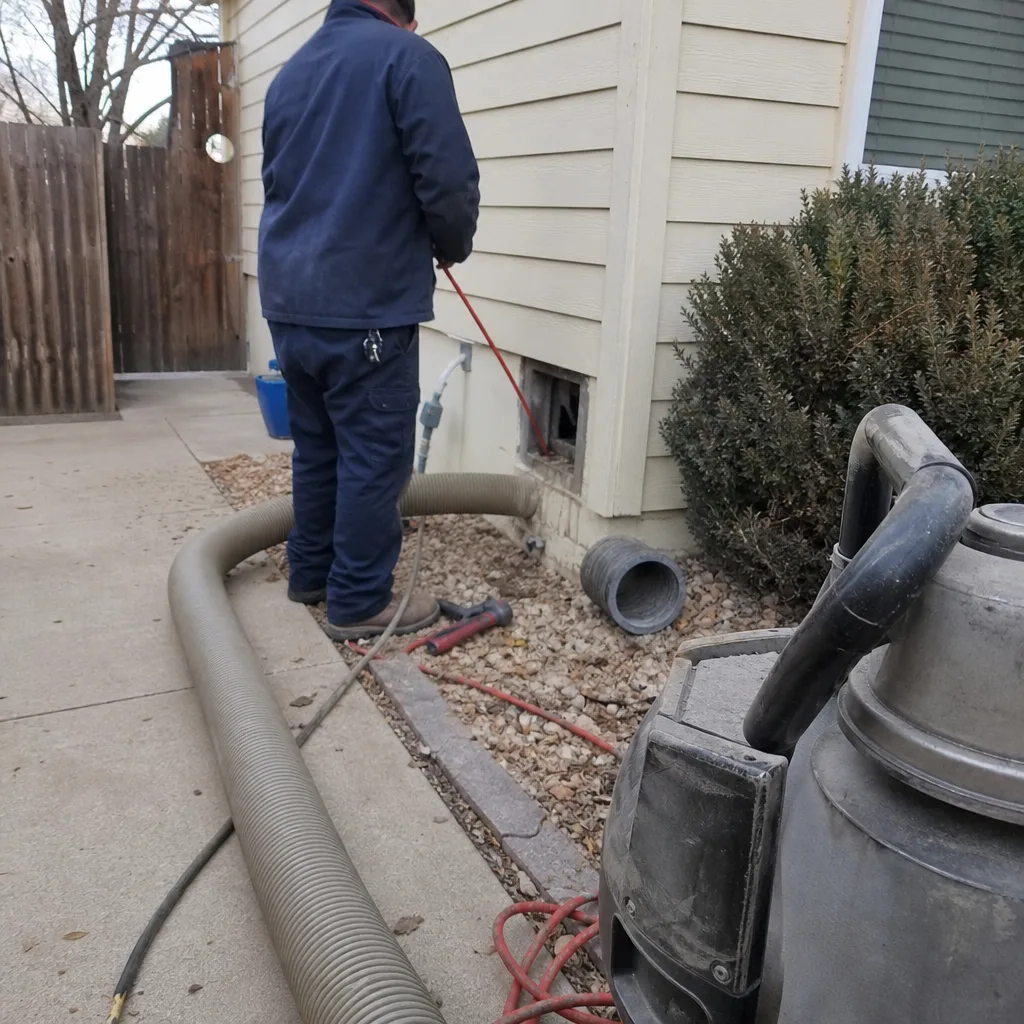 Before
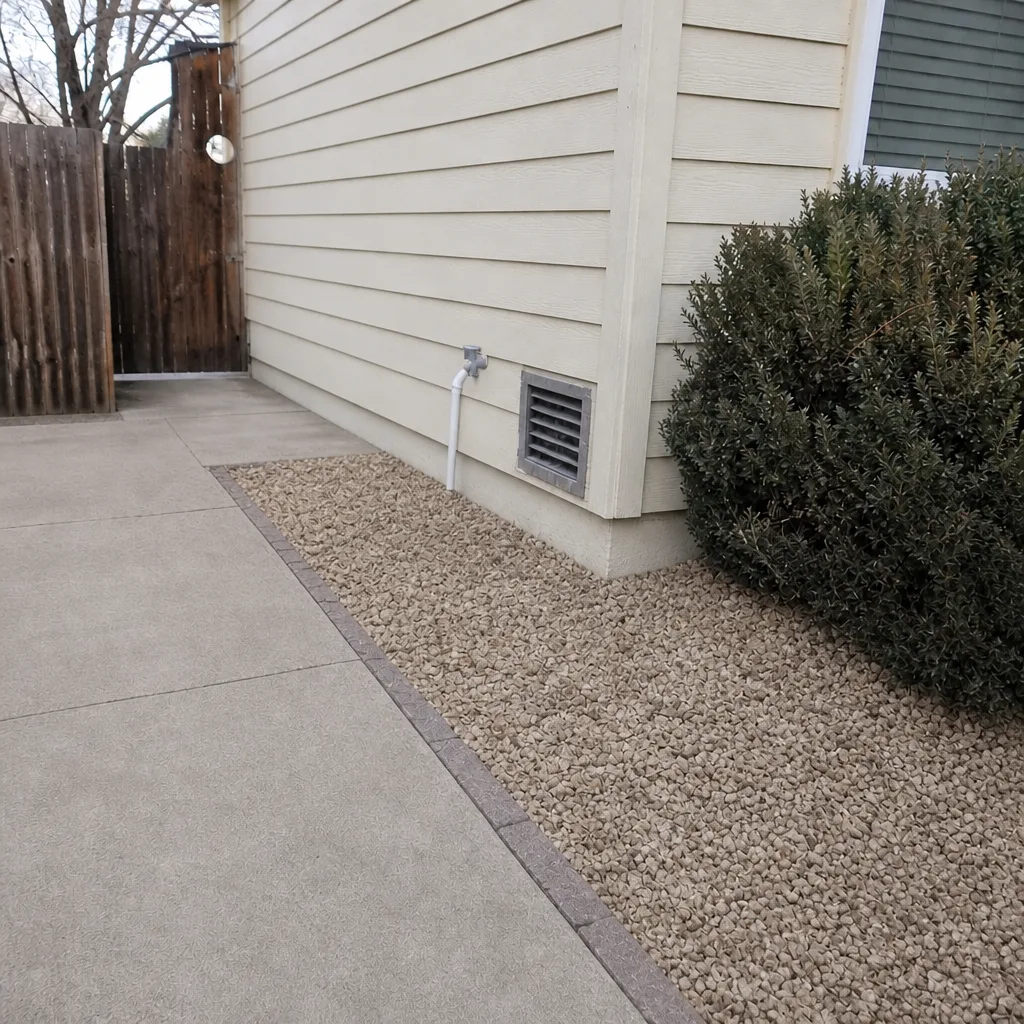 After
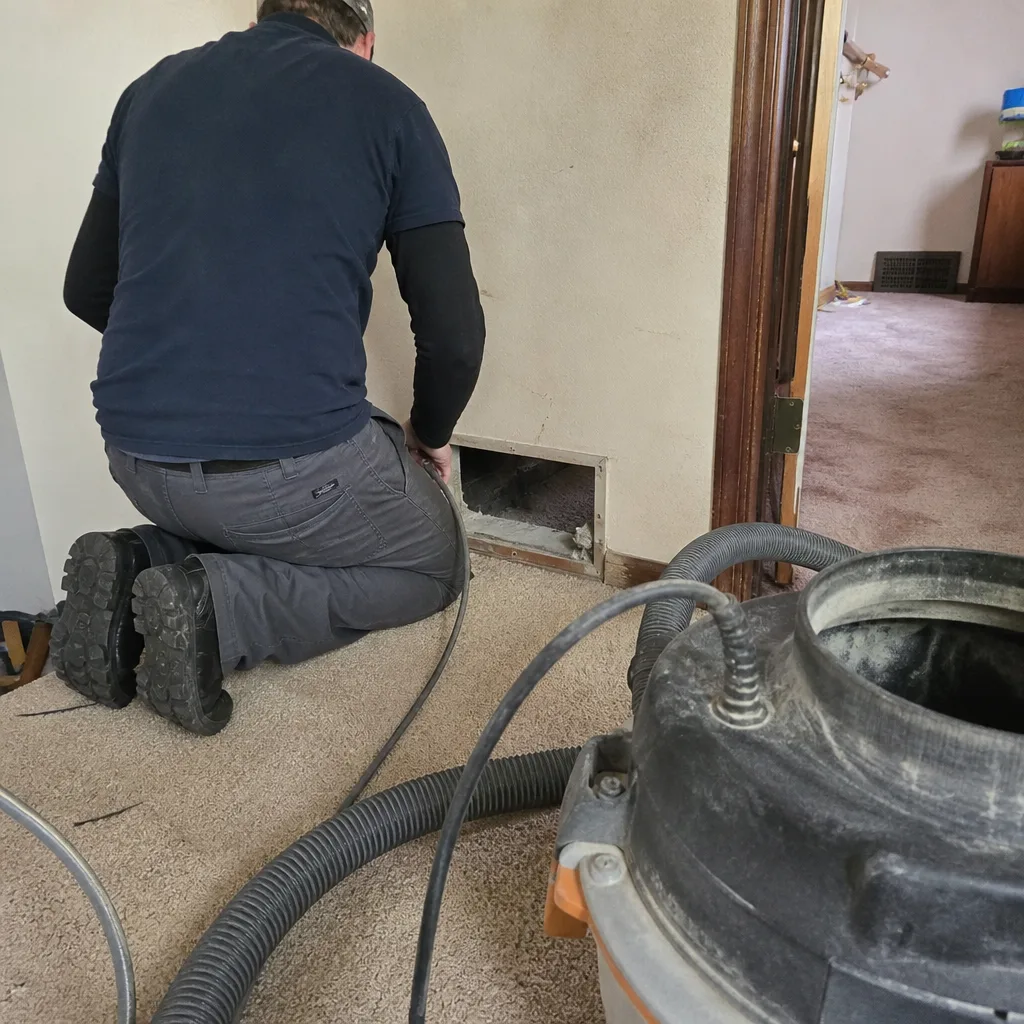 Before
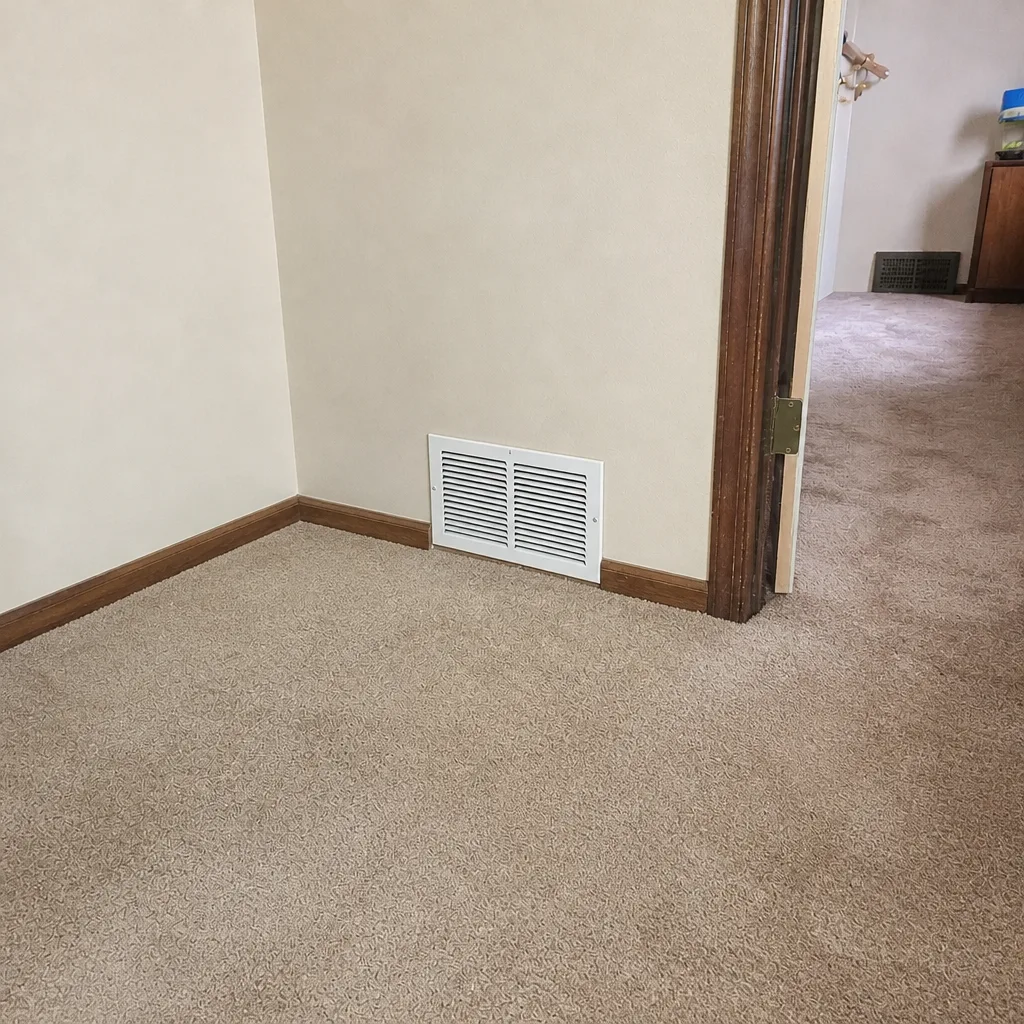 After
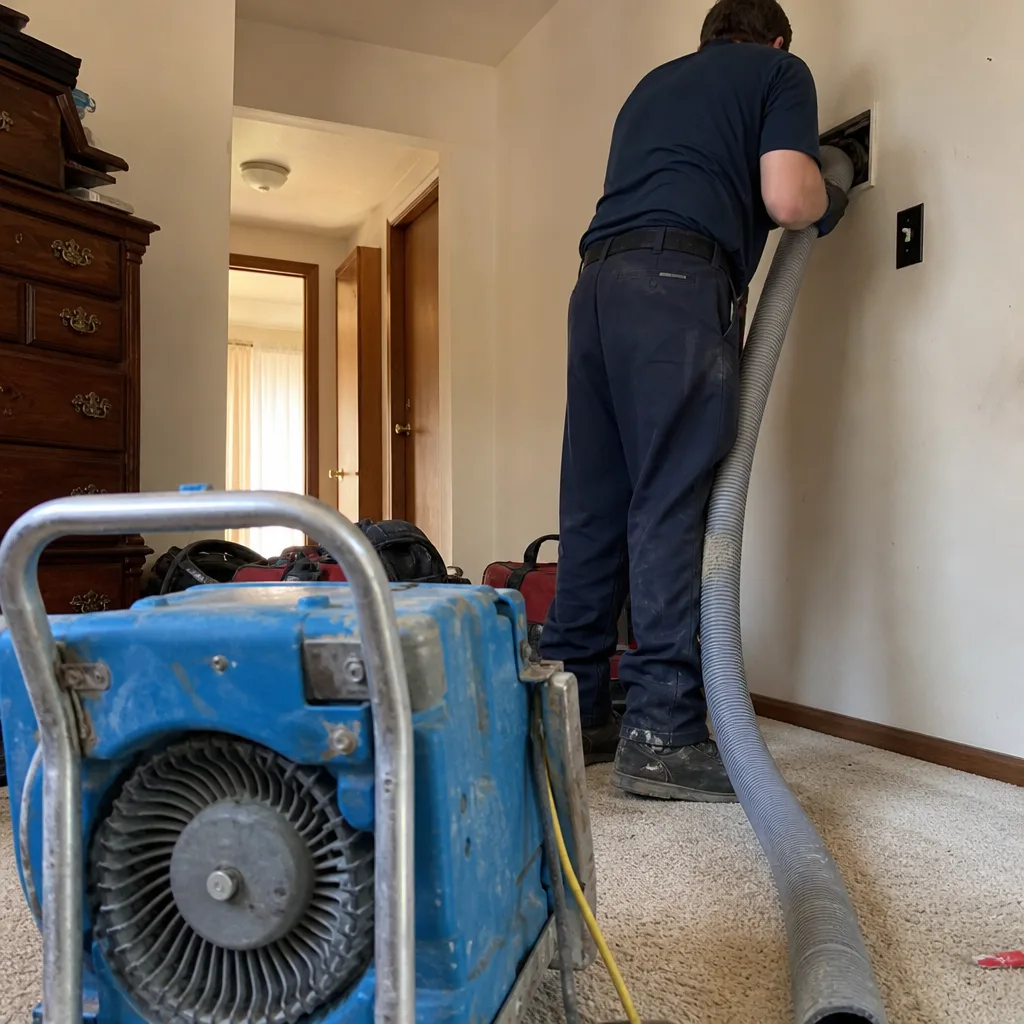 Before
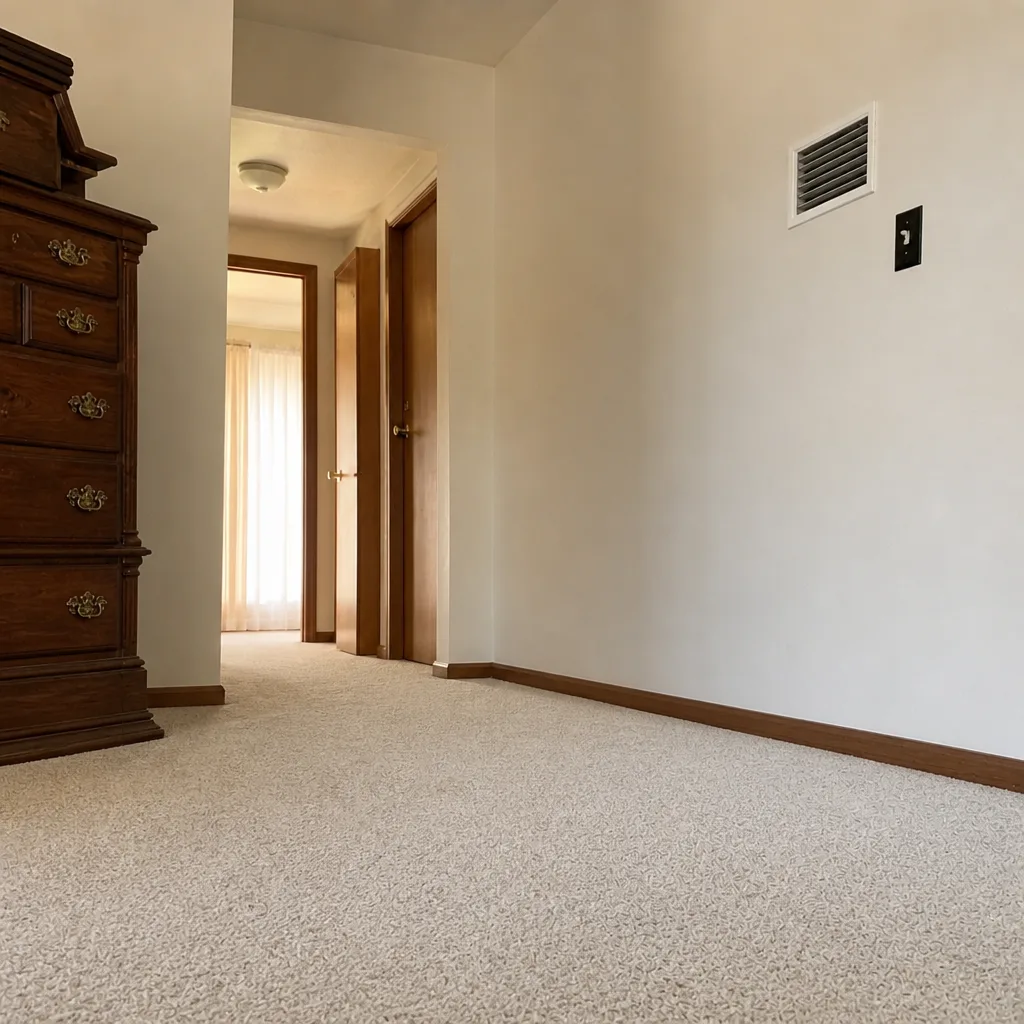 After
When to Call a Professional
Some signs are obvious. Others are patterns that build up over months. Call a professional when you notice any of the following: visible dust kicking out of a register when the heat turns on; a musty or stale smell that gets stronger when the HVAC runs; family members with allergy symptoms that flare up inside the house; uneven heating or cooling where some rooms never get comfortable; a home that’s had recent remodeling or a major renovation; a dryer that takes two cycles to dry a load; or a home that’s simply never had its duct system cleaned since it was built. Each of these maps to one of the contamination types above, and a proper inspection will tell you which one. Lakewood Air Duct Cleaning Experts offers free estimates in Lakewood. Call (844) 759-1418. We answer 24/7. Fast dispatch from 7am to 7pm, Sunday through Friday. One flat price per system is agreed before work starts, and the written estimate sets the final price.
Frequently Asked Questions
Most Lakewood homes need duct cleaning every three to five years, though high-altitude dust and Front Range smoke seasons can push that toward the shorter end. Homes with pets, recent remodels, family members with respiratory concerns, or an evaporative cooler history usually need it more often. The better question is whether the inspection shows contamination that needs addressing, because that’s what determines the timing. Call (844) 759-1418 for an inspection and a free estimate.
Yes, and often more so than in a humid climate. Lakewood’s dry air at roughly 5,400 feet keeps fine particulate suspended longer, so it travels deeper into the duct system before settling. Combine that with wildfire smoke riding in on the airstream and the buildup happens faster than most homeowners expect. The result tends to show up as allergy flare-ups and persistent dust, not visible debris. Call (844) 759-1418 to find out what’s actually in your ducting.
Cheap quotes usually skip the parts of the job that cost real money: mechanical agitation, HEPA capture at the source, and post-job verification. What’s left is a vacuum pass across surface dust, which is why it can be done in under an hour. The right way to compare quotes is to ask which method each crew uses and whether they photograph the ducts before and after. A professional-grade cleaning of a Lakewood home takes longer because more of the system gets cleaned. Call (844) 759-1418 for a free estimate based on your actual system.
Before-and-after photos from inside the duct system, taken by the crew and shown to you before they leave. That’s the standard. A walk-through with the homeowner, visible captured debris, and a post-cleaning note on each zone flagged during the inspection all back it up. If a crew can’t produce any of these, the job is unverified regardless of how long they were on site. Call (844) 759-1418 to book a cleaning that comes with photo documentation.
Yes, but the cleaning has to cover the cooler-side ducting as well as the main run. Evaporative coolers push humid, mineral-laden air into the same ducts that later carry dry forced-air heat, which produces caked deposits a standard vacuum won’t lift. The inspection needs to check for mineral residue and moisture damage, and the cleaning needs mechanical agitation specific to those surfaces. Call (844) 759-1418 to talk through your system before scheduling.
Yes. Cleaning and repair and sealing are handled in one visit, so leaks don’t go unaddressed and cleaning doesn’t have to be repeated a few months later. Homes with disconnected runs, gaps at the plenum or settled duct sections get the repair pass alongside the cleaning. Before-and-after photos cover both. Call (844) 759-1418 for a free estimate on the full job.
The Bottom Line
Lakewood homes have specific duct problems, and those problems don’t all get fixed the same way. A 1960s Eiber ranch with caked mineral residue from an old swamp cooler needs a different protocol than a Solterra build with construction dust and a tight envelope. Source removal with mechanical agitation and HEPA capture is the standard for all of them, and verification with before-and-after photos is how you know it happened. The cleaning offer that fits in an hour and costs less than the equipment isn’t a shortcut, it’s a different service. Get the inspection, get the report, get the photos, and know what was actually removed from your home. Our technicians have up to 11 years of experience with this exact work.
Call (844) 759-1418 for a free estimate. We answer 24/7. Fast dispatch from 7am to 7pm, Sunday through Friday.
Written by the team at Lakewood Air Duct Cleaning Experts.