
Last updated November 23, 2026
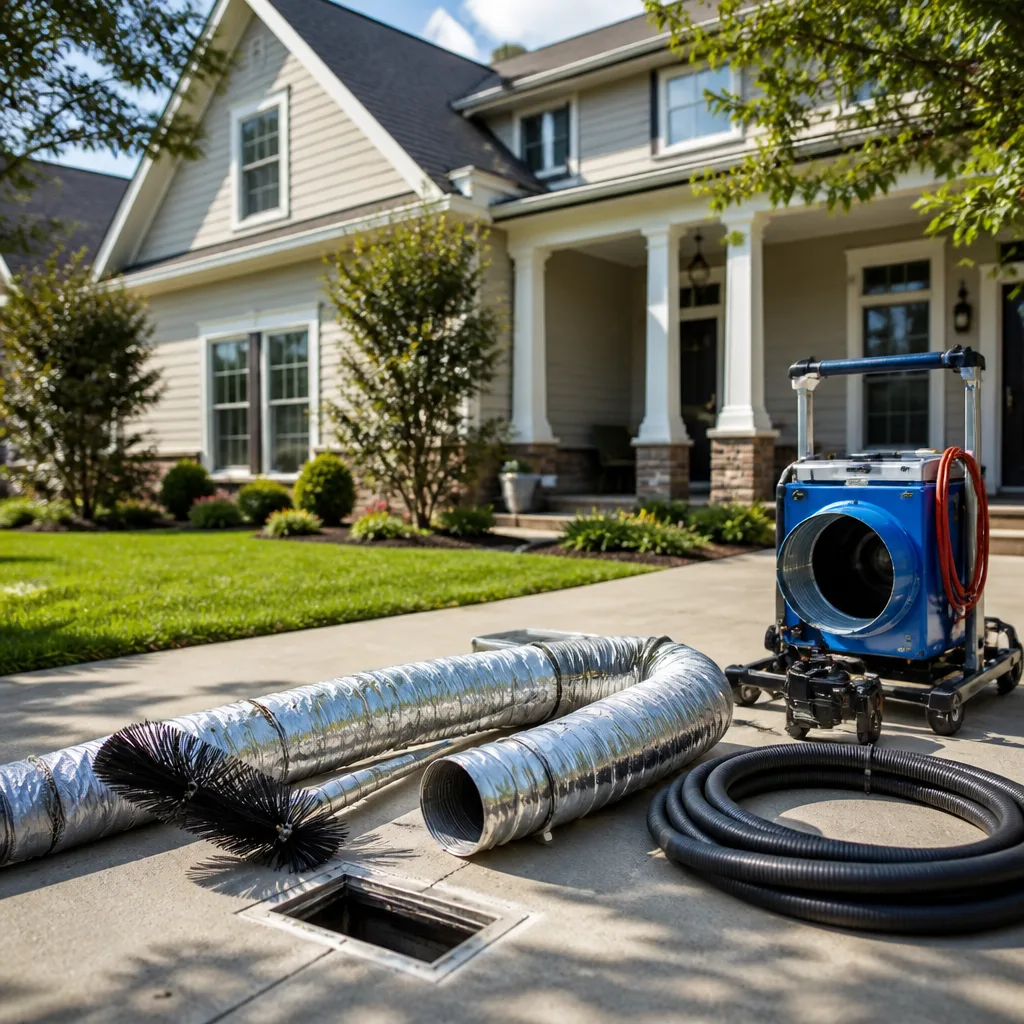 Whole-home duct cleaning
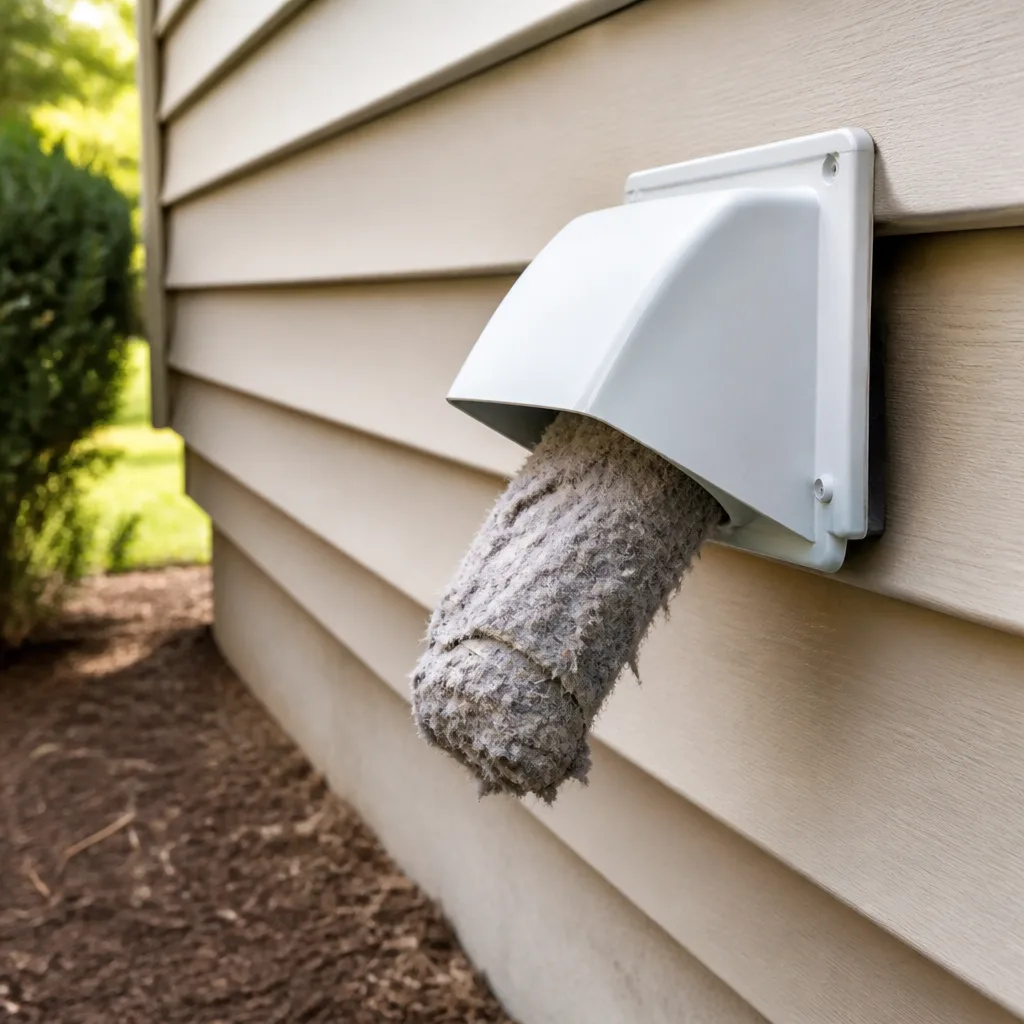 Dryer vent cleaning
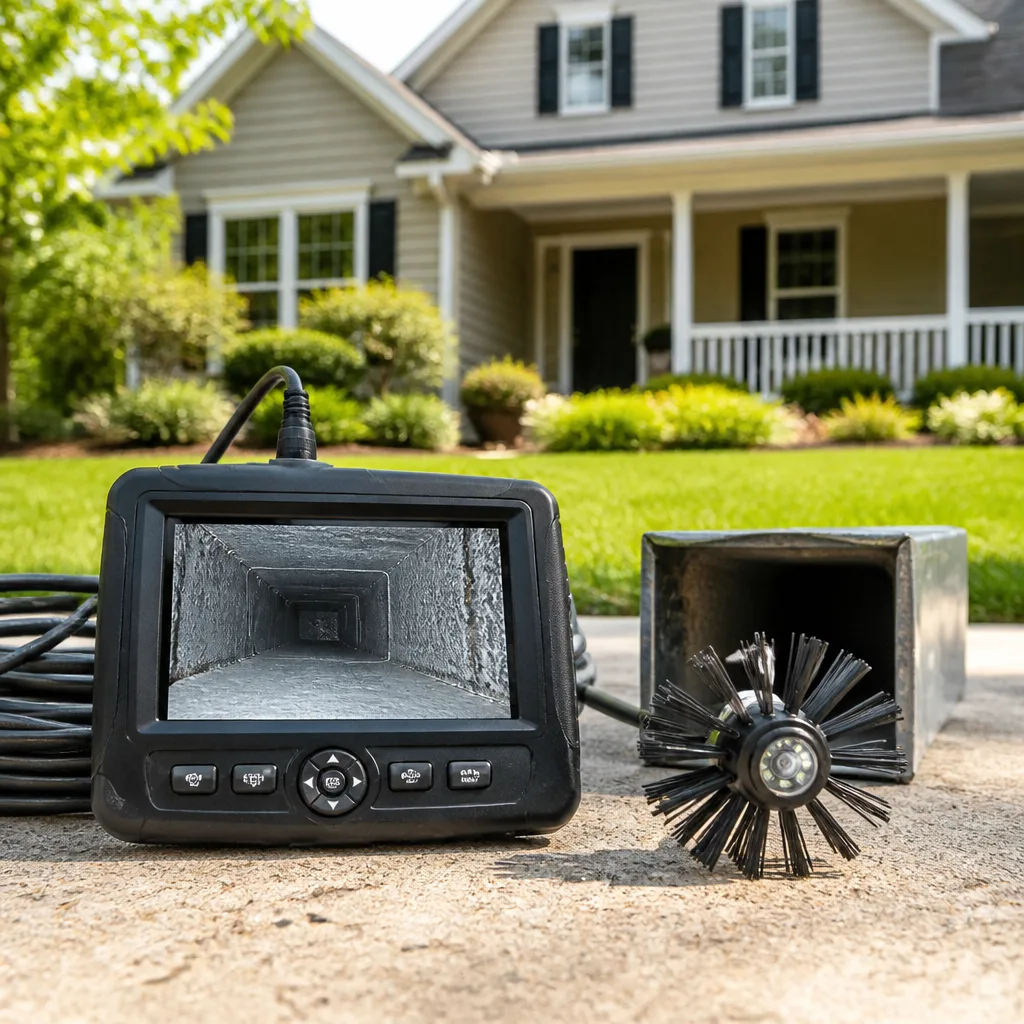 Camera inspection
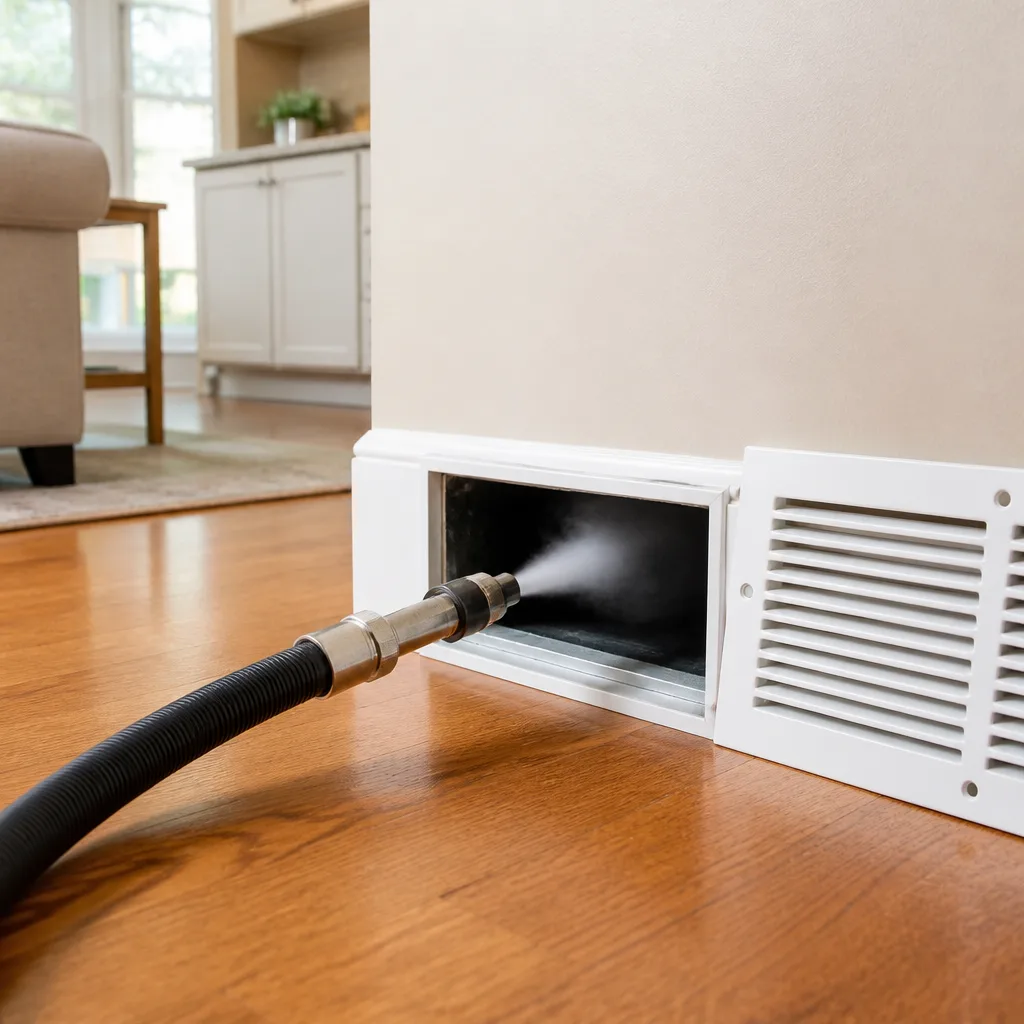 Sanitizing & deodorizing
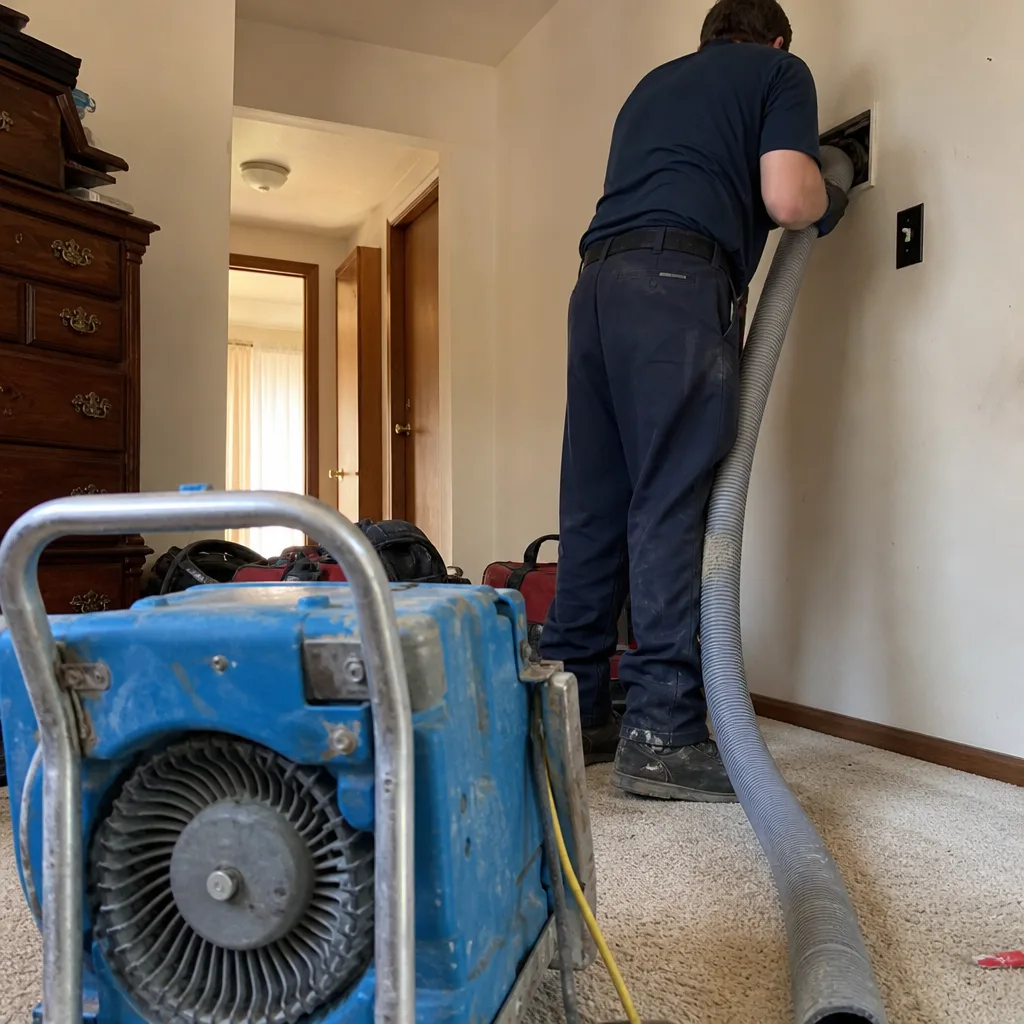
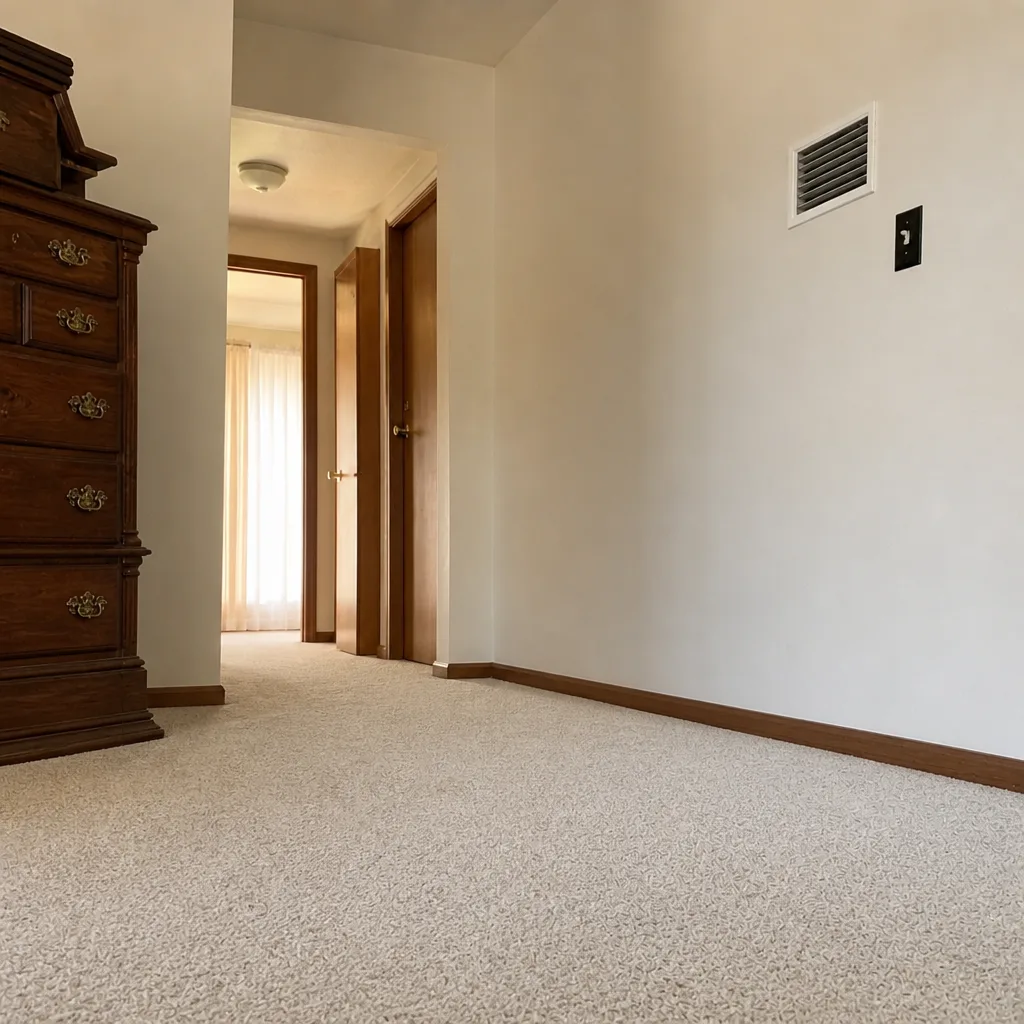
Whole-system duct and dryer vent check with before-and-after photos - you see exactly what came out of your vents
That "$99 whole-house special" is a bait ad - the real number appears once they are in your hallway, or the "clean" is a shop-vac at the register. We photograph the inside of your ducts before and after instead.
How to Hire an Air Duct Cleaning Contractor in Lakewood: A Step-by-Step Guide
Any contractor can rent a truck-mount vacuum for a day and call themselves an air duct specialist. Colorado has no state license requirement for duct cleaning, which means the burden of qualification falls entirely on you before you sign anything. A magnetic sign on the side of a van proves nothing about the equipment inside it, and a five-star review you read last Tuesday can’t tell you whether the technician will agitate your duct walls or just blow compressed air through them and leave. This guide gives you a working framework for telling the two apart, from the four equipment questions to ask every bidder to the paperwork you should receive after the job. You’ll finish knowing exactly how to hire a duct cleaning contractor in Lakewood.
Quick Answer
Hire an air duct cleaning contractor in Lakewood by verifying three things before you sign: the specific equipment they’ll bring (named machines, not vague promises of “professional equipment”), the pre-cleaning inspection they perform before touching a single vent, and the documentation they hand you afterward. Colorado doesn’t license this trade, so those three checkpoints replace the license you might expect to check in another state. Reviews and price come last, not first.
Styles & brands we work with
- Whole-home duct cleaning
- Dryer vent cleaning
- Camera inspection
- Sanitizing & deodorizing
Table of Contents
- Why Duct Cleaning Is Unlicensed in Colorado
- What NADCA Membership Actually Means
- The Four Equipment Questions to Ask Every Bidder
- Why the Pre-Cleaning Inspection Is a Make-or-Break Step
- How to Compare Quotes Accurately
- Post-Cleaning Verification: What You Should Receive
- How Lakewood’s Climate and Housing Shape the Job
- Common Mistakes to Avoid
Why Duct Cleaning Is Unlicensed in Colorado
Colorado doesn’t require a state license to clean air ducts. That single fact reorganizes the whole hiring decision. In licensed trades you check a number against a state database. Here, there’s no database. Anyone with a phone, a business name and a willingness to show up can advertise duct cleaning in Lakewood tomorrow.
What that means practically is that the consumer protection you’d normally get from a license has to be reconstructed from other signals. Some of those are general contractor credentials, some are equipment, and some are process. But the license isn’t there to lean on.
We’ve found that homeowners tend to over-weight the two things that carry the least information and under-weight the two that carry the most:
- Over-weighted: review counts and hourly price quotes
- Under-weighted: equipment specifics and the pre-job inspection
That inversion is exactly what aggressive marketing exploits. A cheap quote with a big review pile reads as safety, but neither tells you what happens once the technician is inside your home. The specific question you should ask yourself is: if the technician shows up with the wrong machine, do I know that? If you don’t, the quote and the reviews can’t save you.
Colorado does have a general contractor licensing framework for some construction categories, and HVAC work touches regulated trades when it crosses into gas lines or refrigerant. As a rule of thumb: if the “duct cleaning” job involves opening gas equipment or charging a refrigerant circuit, that work belongs with a licensed mechanical contractor, and a duct cleaning crew should stop short of it. Cleaning, sealing and sanitizing ducts, on the other hand, doesn’t require a specific license. That gap is the whole reason this guide exists.
What NADCA Membership Actually Means
NADCA stands for the National Air Duct Cleaners Association. It is a trade association and standards body, not a licensing authority, and it cannot revoke a license that doesn’t exist in the first place. When you see NADCA membership mentioned, treat it as a floor, not a ceiling.
What membership does tell you:
- The company has committed to a published standard of care for how ducts get cleaned
- Technicians have some path toward training in that standard, not just on-the-job improvisation
- The company is willing to be associated with a public body that has written rules
What it doesn’t tell you:
- Which equipment will actually show up at your door
- Whether the technician on your job has ever run that equipment before
- Whether the company will document the work properly
- Whether their pricing model hides a per-vent surcharge
Here’s the way we look at it, and the way we’d encourage you to look at it in Lakewood: NADCA membership is a useful first filter. It costs a bit of money and requires a real commitment, which rules out some of the fly-by-night operations. But after the first filter, you need to go deeper. A small, careful shop without membership might be better than a large shop that advertises membership but runs a rotating crew you’ve never met.
The next section is where you find out which is which.
The Four Equipment Questions to Ask Every Bidder
This is the section you should screenshot before you make your calls. Equipment is the single most diagnostic piece of information a duct cleaning contractor will volunteer about themselves. If they can’t answer these four questions specifically, that itself is your answer.
- “What’s the CFM rating on the vacuum you’ll bring?” CFM stands for cubic feet per minute, and it’s the raw measure of how much air the vacuum moves. Residential-grade shop vacuums are in the hundreds of CFM. Professional truck-mounted or high-capacity HEPA extraction units are considerably higher. If the answer is vague (“plenty of suction”), press for a number. A contractor who knows their equipment knows its rating.
- “What kind of brush or agitation are you using?” Duct walls collect dust that adheres. A vacuum alone pulls loose debris; it doesn’t scrub the interior of the duct. Rotary brush systems like Rotobrush use a spinning, flexible brush head that mechanically agitates the duct wall as it moves through the system, dislodging what’s stuck. If a contractor only offers compressed-air “blowouts,” ask where that debris is supposed to go.
- “How do you maintain negative pressure in the system during cleaning?” This is the technical heart of the job. Negative pressure means the air inside the ducts is under suction, so any debris you dislodge gets pulled toward the vacuum and captured, rather than pushed out through the supply registers into the room. A contractor who scrunches up their face at “negative pressure” is telling you something important: they’re going to blow dust into your house.
- “How are you protecting the living spaces during the work?” Even with good negative pressure, there are entry points, registers and open returns. Professional crews use containment: covering furniture, sealing registers that aren’t being cleaned, and running HEPA filtration in the room where debris is dislodged. Abatement Technologies air filtration units, which come out of the mold and contaminant abatement world, are one example of equipment that serves that purpose. The question is whether they bother.
When you call around Lakewood, you’ll quickly notice that the contractors who answer these four questions well also tend to answer the pricing questions well. That’s not a coincidence. It’s the same underlying habit: they know what they’re doing and they’re not hiding it.
We run Rotobrush rotary-brush systems and Nikro HEPA extraction on every job, and we name them here so you know what to ask for from anyone else. If another crew uses different machinery of comparable grade, fine; the point is that they should be able to name it, describe it and explain why it’s the right tool for your system.
Why the Pre-Cleaning Inspection Is a Make-or-Break Step
A contractor who quotes a price before they’ve seen your ductwork is quoting a guess. That holds regardless of how many reviews they have or how good the price looks. Duct cleaning isn’t a uniform service. A house with flexible duct in a crawlspace is a different job from a house with rigid metal duct running through an attic, and a house with one return is a very different job from a house with three.
The pre-cleaning inspection exists to convert the guess into an assessment. A proper walkthrough should include:
- Locating every supply and return register, and counting them
- Opening the air handler cabinet or plenum to see the condition of the coil, blower and interior
- Inspecting duct runs where accessible: flexible, rigid, insulated or wrapped
- Checking whether duct joints are sealed or leaking
- Looking for signs of moisture, pest intrusion or biological growth
- Testing airflow at representative registers if airflow complaints exist
That list is also diagnostic for you. If the person standing in your hallway skips most of it, they’re not inspecting, they’re upselling. When the inspection turns up something like a disconnected duct joint in an unfinished basement, or a return that’s been pulling crawlspace air, that changes the scope of the job and the price should reflect that honestly.
This is the difference between a company that treats the duct system as a single interconnected object and one that treats it as a list of vents to be vacuumed. If your system has never been cleaned and you’re noticing musty odors or uneven airflow, the inspection is more valuable than any upgrade.
How to Compare Quotes Accurately
Two quotes for the same house can differ by a factor of four, and neither number means anything until you break both down into line items. The single most important question when comparing duct cleaning quotes in Lakewood is: does this price cover the whole system or a per-vent count?
What a legitimate itemized quote should include
- Number of supplies and returns in scope (not “unlimited”)
- Air handler or furnace cabinet cleaning as a named line item, since that’s where the coil and blower live
- Method description: rotary brush and HEPA extraction, for example, or blowout-only if that’s what they’re selling
- Sanitizing or treatment if it’s included, or flagged as optional if it isn’t
- Any repair or sealing work identified during the inspection, priced separately
- Total price per system, agreed before work starts
What “per vent” pricing hides
A per-vent price is easy to compare across quotes and easy to inflate on site. The contractor quotes $X per vent, then “discovers” that you have twelve when they thought you had six, or that a return counts as two. Because the price was never a whole-system number, there’s nothing to hold anyone to.
We quote one flat price per system, agreed before work starts, and we prefer it that way because it forces the conversation to be about the actual job. If you have three quotes in front of you and two are per-vent, you can’t compare them. Ask both per-vent bidders to convert to a whole-system number before you decide.
Legitimate add-ons vs. upsell
Legitimate add-ons: sanitizing after cleaning if contamination has been found, sealing of leaking duct joints, dryer vent cleaning if you haven’t had it done, and a specific filtration upgrade if the inspection supports it. These all address a problem the inspection identified.
Upsell: anything offered before the inspection, anything offered by a script (“we recommend the premium package for your home type”), and anything that isn’t tied to a problem the technician can point at with your own eyes. That’s especially true for air purification and filtration add-ons, which do real work but shouldn’t be sold before anyone has seen the system. Honeywell and Aprilaire equipment, for example, is genuinely worth installing when particulate load in the system is high; it’s a poor pitch to a household with clean ductwork and healthy airflow.
Post-Cleaning Verification: What You Should Receive
Any company can collect the invoice. The question is what they leave behind besides a receipt. Professional verification of the job looks like this:
- Before-and-after photographs of your own ducts. Not stock shots, not a slide deck. Photos of the actual runs that were cleaned, taken at the same vantage points both times. If a contractor doesn’t take photos, you have no way to confirm the work was done.
- A written summary of what was cleaned, what was found and what was sealed. This is your record for the next time you have the system serviced.
- Documentation of the air handler and coil condition. The coil is where airflow complaints often originate, and clean ducts feeding a fouled coil don’t solve the problem.
- Notes on anything that was flagged but not addressed, so you know what’s pending.
What your system should do differently within 24 to 48 hours: airflow at registers should feel stronger and steadier, and any musty or dusty smell that was coming through the returns should fade. That’s the practical result. If you don’t notice any difference, that’s information too, and it’s worth a call back to the contractor to talk it through.
What it shouldn’t do: leave visible dust circulating for days, or produce a new smell. If either happens, the cleaning wasn’t done with adequate negative pressure, and that’s a process failure, not bad luck.
How Lakewood’s Climate and Housing Shape the Job
Lakewood sits on the western edge of the Denver metro, up against the foothills, and the local conditions do change what a duct cleaning job looks like. If you’re hiring in this area, it helps to understand why.
First, the dry, windy climate. Late-winter and spring wind events in Lakewood push a lot of fine particulate through the air, and the HVAC system pulls a portion of that into the return ducts every time it runs. Compare that with a wetter climate and the interior of ductwork in a Lakewood house tends to accumulate a finer dust than a heavier, damper mix. That changes what the brush needs to do, and it changes how often the filtration component of a system needs to be upgraded rather than just cleaned.
Second, the seasonal swing. Lakewood homes typically run both heating and cooling through the same duct system, and the transition between seasons is when a lot of the accumulated dust in the returns gets pushed through. If you’ve noticed a dust smell in the first week of running the furnace after summer, you’ve seen the effect. That said, dust smell in the fall isn’t on its own a reason to hire a cleaning crew; do the pre-cleaning inspection first and let the actual condition drive the decision.
Third, housing stock. Neighborhoods around Lakewood range from older homes with rigid metal duct in basements and crawlspaces to newer construction with flexible runs in attics. Belmar, Eiber, Green Mountain, Cloverdale and the neighborhoods closer to the Federal Center each have different typical duct configurations. Flexible duct in particular has ridges that trap debris more than smooth metal, and it’s more prone to sagging and disconnection over time. When you call for a quote, a good contractor will ask what kind of duct you have, because the answer changes the approach.
Our Lakewood Air Duct Cleaning Experts team works with both configurations regularly, and our air duct cleaning approach starts with identifying which one you have before any equipment comes in.
Common Mistakes to Avoid
- Hiring on the lowest quote alone. The lowest bid in Lakewood is almost always per-vent, which means the final bill depends on how many vents a technician decides to count. Convert every quote to a whole-system price before you compare.
- Skipping the pre-cleaning inspection walkthrough. If a contractor isn’t willing to walk the system before they quote, they’re not quoting your job, they’re quoting a template. The inspection is where value gets established.
- Accepting “unlimited vents” as a selling point. Unlimited vents sounds generous and usually means the technician will run through them fast, without agitation or containment. A real whole-system price covers a real whole-system job.
- Not asking to see the equipment before work begins. You don’t need to know how to operate the machine, but you should know what machine is in the van. Ask the question on the phone, then confirm on arrival.
- Paying in full before seeing the photos. You should see before-and-after shots of your own ductwork before final payment. If a contractor won’t provide them, that’s a red flag regardless of price.
- Confusing “sanitizing” with cleaning. Sanitizer applied to a dirty duct stays effective for roughly as long as a coat of paint on a dirty wall. Cleaning has to happen first.
- Ignoring airflow problems until they become breakdowns. Uneven airflow across Lakewood homes often traces to a return-side issue, a fouled coil or a disconnected duct run. If you’re already calling someone to clean, ask them to check those while they’re there. Our HVAC cleaning service exists for exactly this reason.
See the difference
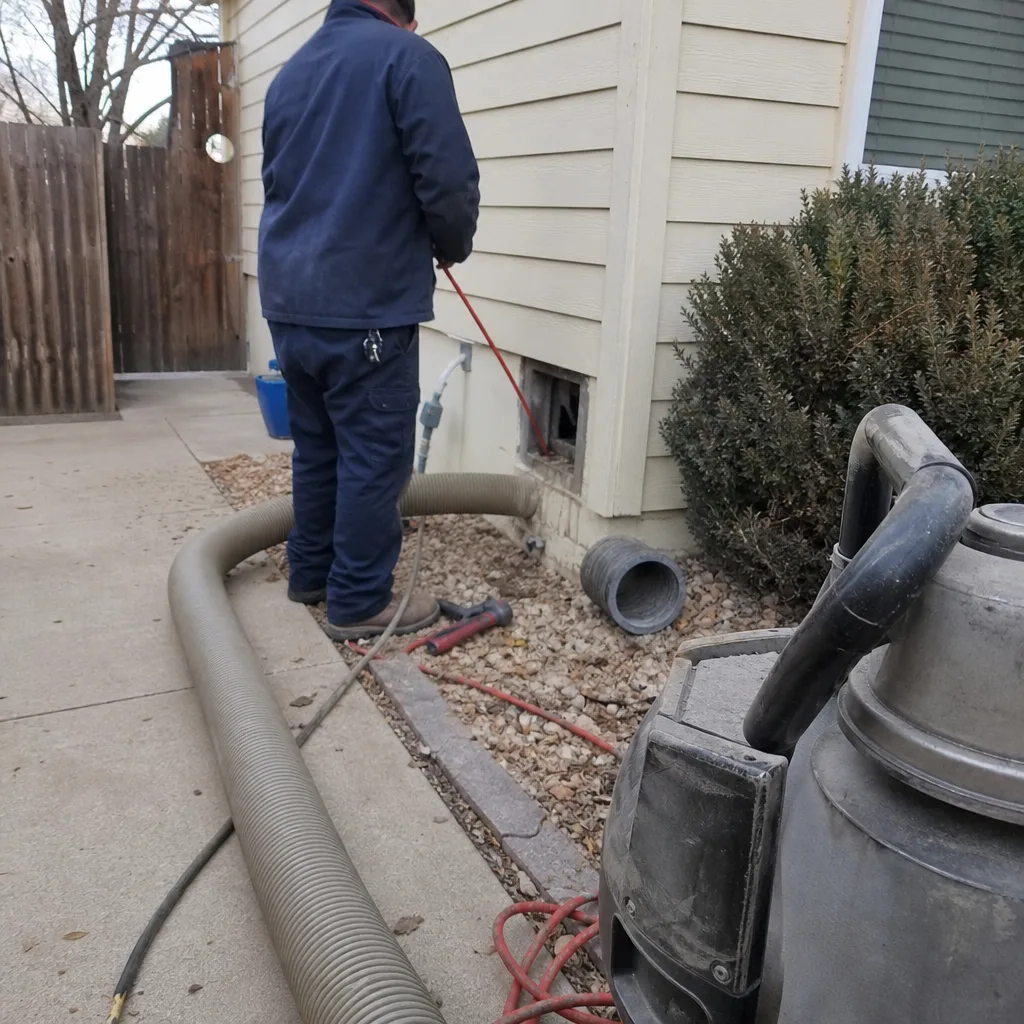 Before
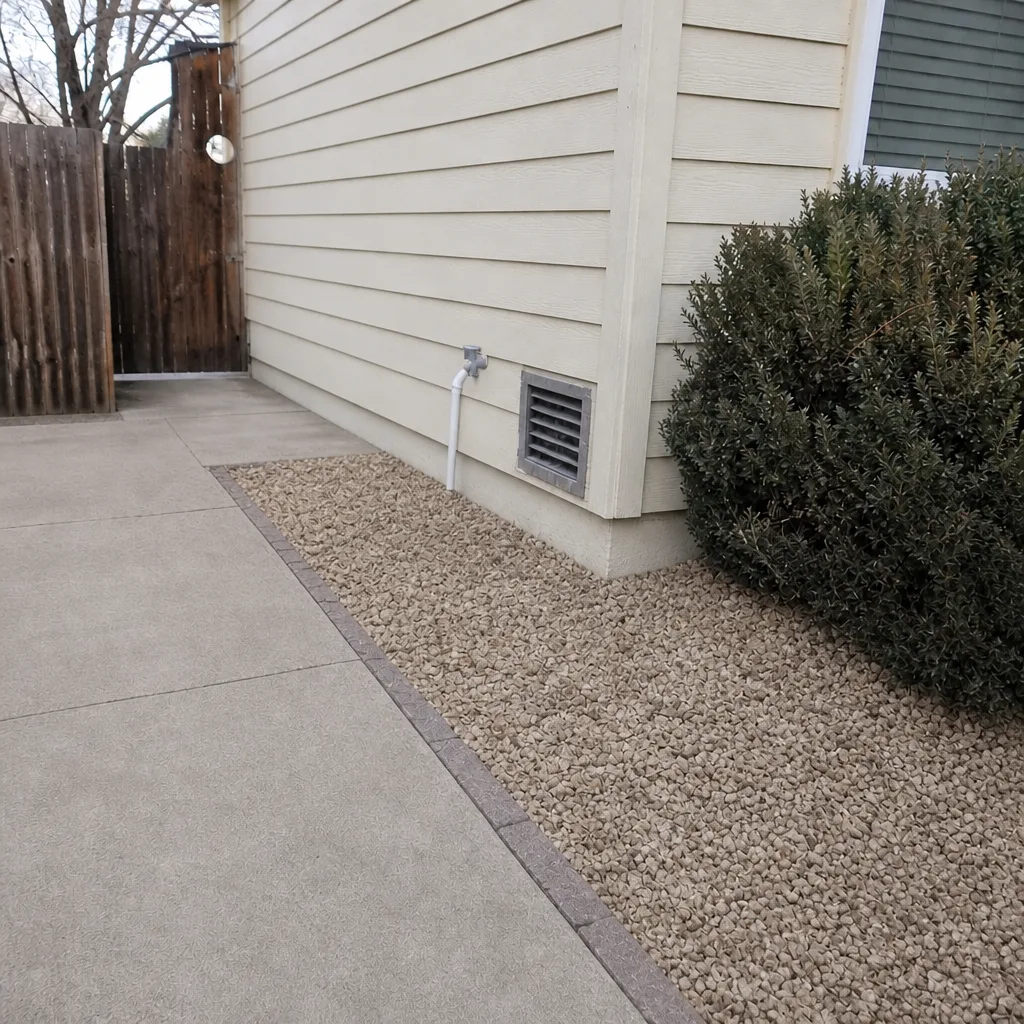 After
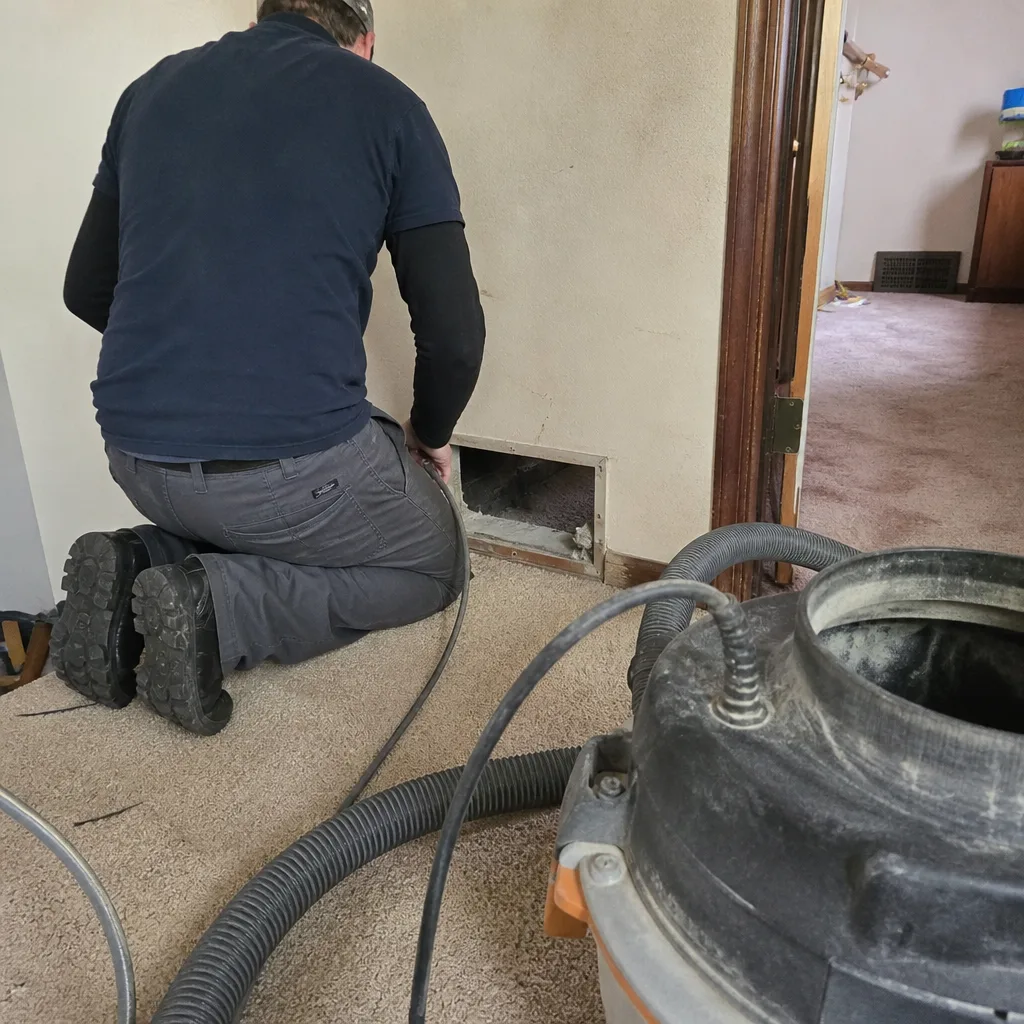 Before
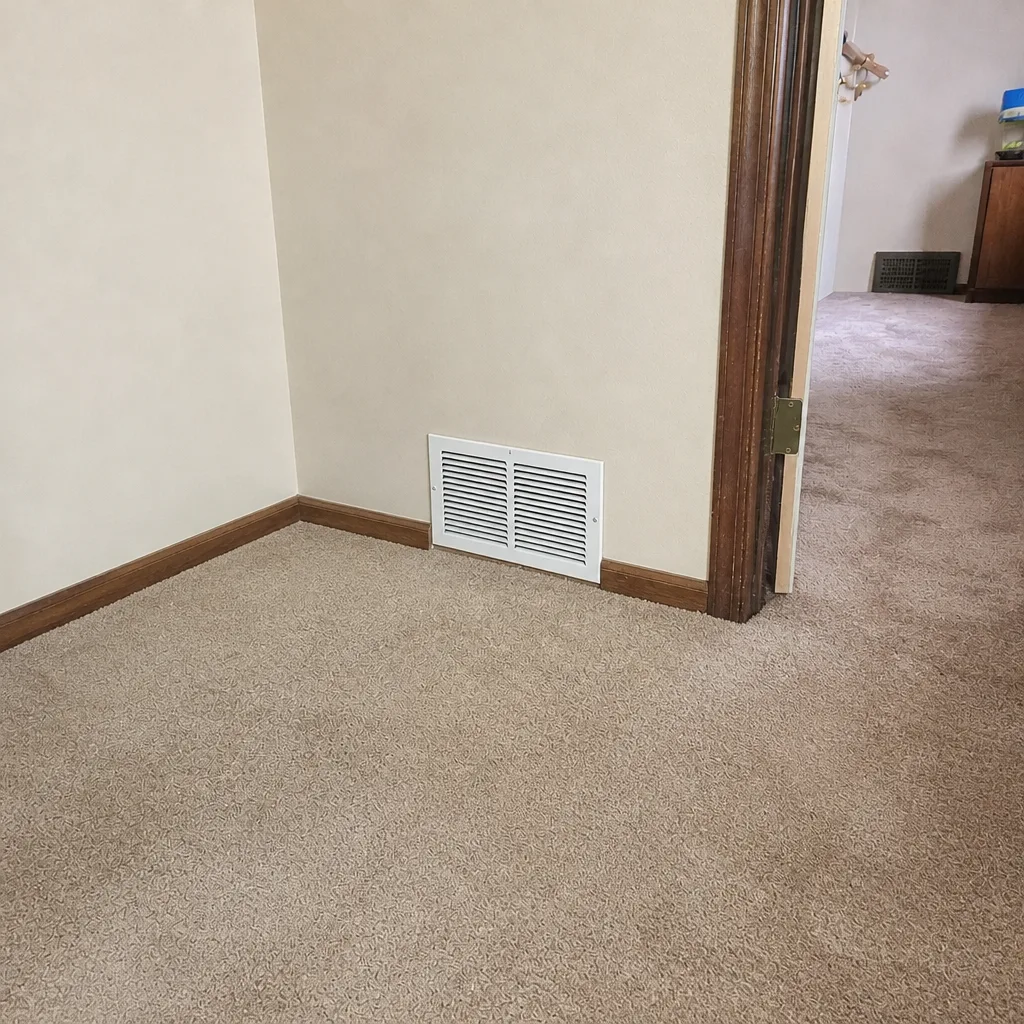 After
 Before
 After
When to Call a Professional
Duct cleaning isn’t something to schedule on a calendar that has nothing to do with the condition of your system. It’s something to schedule when specific signals appear: persistent dust settling on surfaces days after you’ve cleaned, musty or dusty odors coming from the returns, noticeable airflow problems in certain rooms, a recent renovation, pest activity in the ductwork, visible debris at a register, or a dryer that takes noticeably longer than it used to. That last one alone is worth scheduling a dryer vent cleaning call for; a clogged dryer vent is a fire risk, not just an efficiency problem. Lakewood Air Duct Cleaning Experts offers free estimates in Lakewood. Call (844) 759-1418. We answer 24/7. Fast dispatch from 7am to 7pm, Sunday through Friday. If you’re wondering whether it’s time or not, the answer starts with the inspection, not the invoice.
Frequently Asked Questions
Colorado does not require a state license for air duct cleaning, so there’s no license to check. Instead, verify equipment specifics, ask for the pre-cleaning inspection, and confirm the documentation you’ll receive. For work that involves gas or refrigerant, that portion should be handled by a licensed mechanical contractor, not a duct cleaning crew. Call (844) 759-1418 for a free estimate and we’ll walk through the scope of your job.
Pricing depends on the number of supplies and returns, the type of duct, and whether sealing or treatment work is needed. We quote one flat price per system, agreed before work starts, rather than a per-vent price that can shift on site. That’s the whole point of the guide you’re reading: convert every quote to a whole-system number so you can compare them honestly. Call (844) 759-1418 for an exact quote; estimates are free.
Cheap duct cleaning quotes usually cover a smaller scope than they appear to: fewer registers, no air handler cabinet cleaning, no agitation, blowout-only method, or a per-vent model that expands on site. A four-hundred-dollar quote and a twelve-hundred-dollar quote for the same house aren’t competing prices. They’re different jobs. Call (844) 759-1418 for a scope comparison.
Ask for before-and-after photographs of your own ductwork taken at the same entry points, plus a written summary of what was cleaned, what was found and what was sealed. If a contractor won’t document the job, you have no way to verify it. We photograph every job and leave the paperwork with you. Call (844) 759-1418 to schedule.
There’s no single answer that applies to every Lakewood home, and any contractor who gives you a fixed interval without an inspection is guessing. Households with pets, recent renovation, noticeable dust problems or allergy symptoms tend to need it more often than households without. The condition of the system should set the schedule, not a calendar. Call (844) 759-1418 for a free inspection to find out what your system actually needs.
Sometimes, and sometimes not. Uneven airflow often traces to a blocked or crimped flex duct, a disconnected run in the attic or crawlspace, an undersized return, or a fouled evaporator coil. Cleaning helps when the cause is accumulated debris, and repair and sealing help when the cause is a leak. During the inspection we identify which is which before recommending anything. Call (844) 759-1418 for a diagnostic walkthrough.
The Bottom Line
Hiring a duct cleaning contractor in Lakewood comes down to three checkpoints, because the state doesn’t provide a fourth. Ask every bidder for the four equipment questions: CFM rating, brush type, negative pressure method, and living-space protection. Ask for the pre-cleaning inspection walkthrough, and walk away from anyone who won’t do it. Convert every quote to a whole-system price before comparing, and insist on before-and-after photos of your own ducts before final payment. NADCA membership is a floor, not a guarantee, and reviews carried less weight than equipment specifics every time.
If you’d rather skip the screening process entirely, we can walk your system with you and quote the whole job up front. Call (844) 759-1418 for a free estimate. We answer 24/7. Fast dispatch from 7am to 7pm, Sunday through Friday. One crew, the full job, from cleaning to sealing.
Written by the team at Lakewood Air Duct Cleaning Experts.