
Last updated November 23, 2026
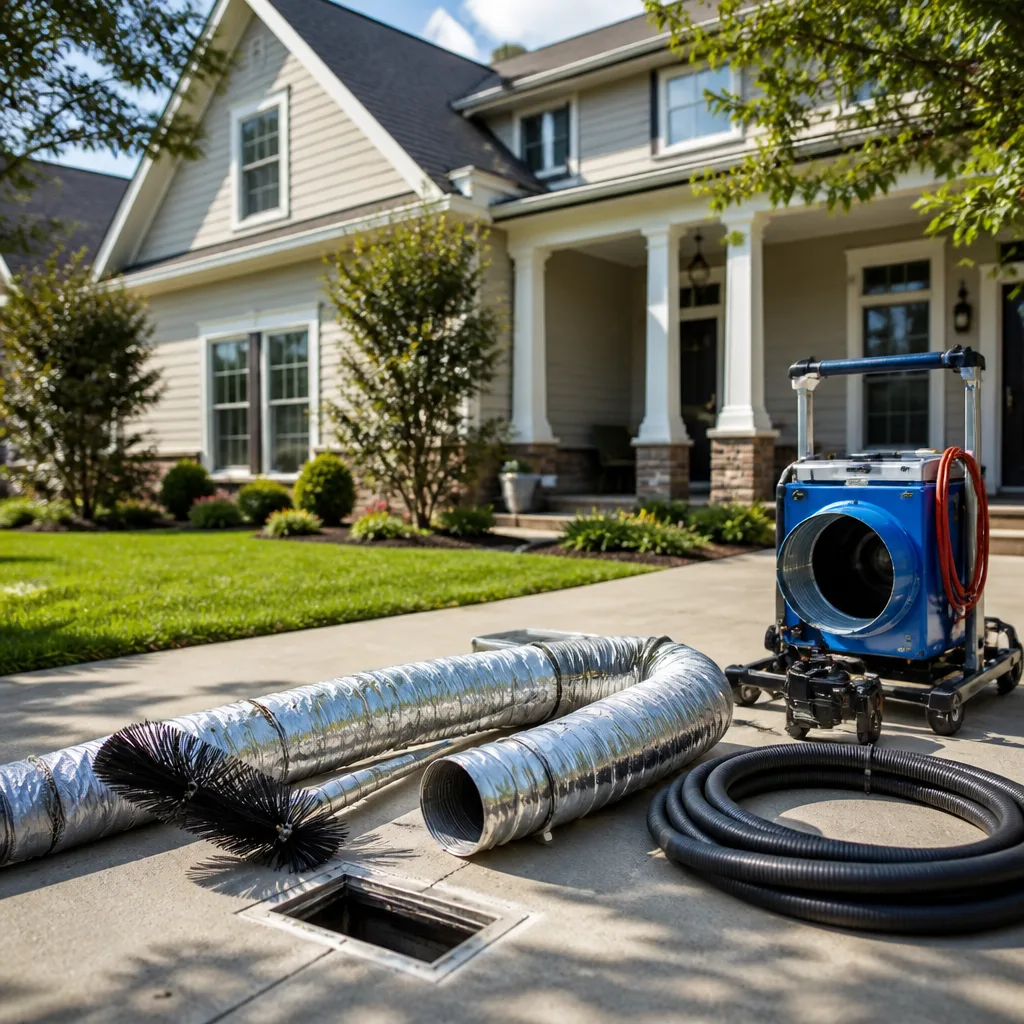 Whole-home duct cleaning
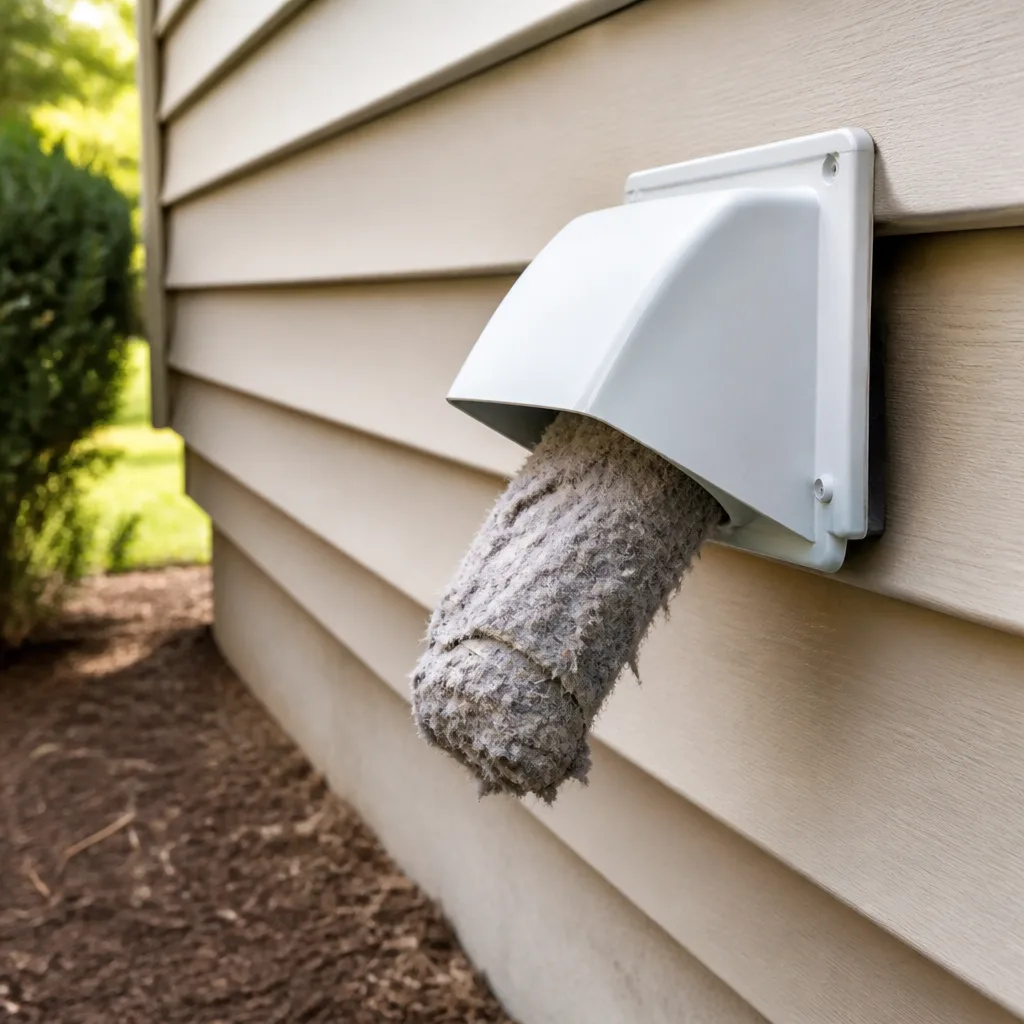 Dryer vent cleaning
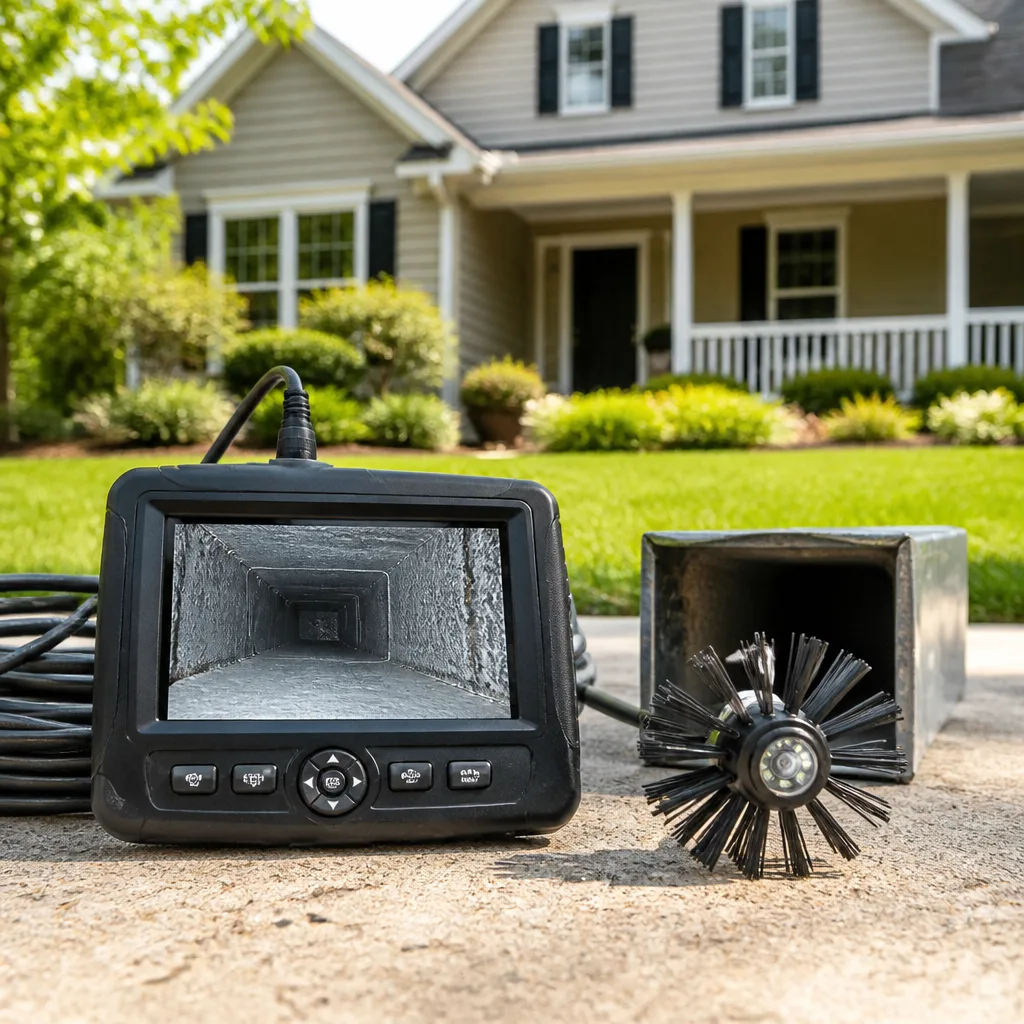 Camera inspection
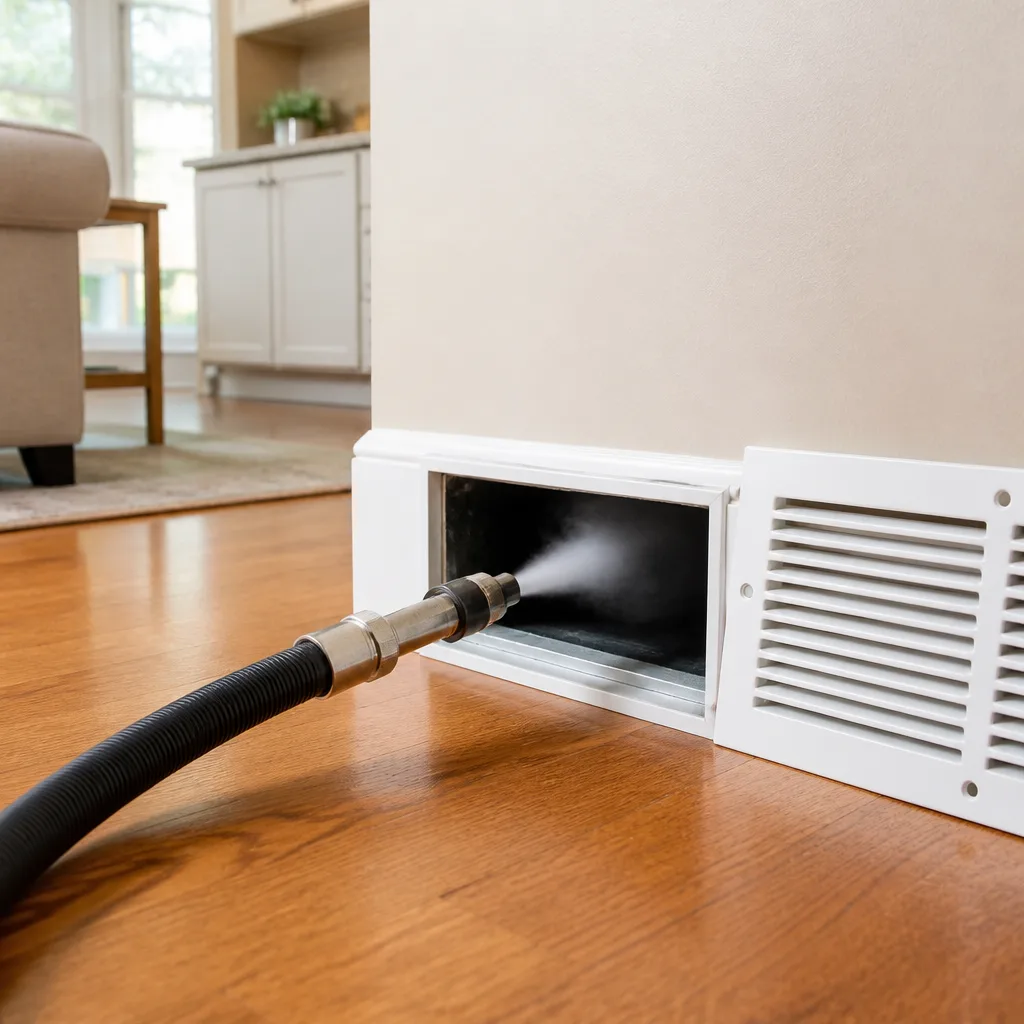 Sanitizing & deodorizing
Whole-system duct and dryer vent check with before-and-after photos - you see exactly what came out of your vents
That "$99 whole-house special" is a bait ad - the real number appears once they are in your hallway, or the "clean" is a shop-vac at the register. We photograph the inside of your ducts before and after instead.
Seasonal Air Duct Cleaning Care for Lakewood: Year-Round Homeowner’s Guide
Most Lakewood homeowners schedule duct cleaning once, then forget about it. That feels sensible until you track what actually changes inside a duct system over twelve months. Summer wildfire smoke, dry winter forced-air heat, spring construction dust and Front Range wind events each leave a different residue in different parts of the system. A single annual visit catches one season’s load and leaves the other three largely untouched. This guide maps duct care to the Lakewood calendar, season by season, so you can see which maintenance action belongs in which quarter, what to check yourself before you call anyone, and how to build a schedule that doesn’t over-service the system or miss the windows that matter most.
Quick Answer
Year-round duct care in Lakewood is a four-part cycle, not a single cleaning: manage smoke infiltration and filtration in summer, inspect and address first-heat odors in fall, protect against dust redistribution and dry heat in winter, and clear construction and wind-borne particulate in spring. Most Lakewood homes need a professional cleaning and inspection once every two to three years, with filter changes and seasonal checks in between. Homes near active construction, homes with pets, and homes where anyone has allergy symptoms need a tighter schedule.
Styles & brands we work with
- Whole-home duct cleaning
- Dryer vent cleaning
- Camera inspection
- Sanitizing & deodorizing
Table of Contents
- Why Lakewood Ducts Face a Different Stress Every Season
- Summer: Managing Wildfire Smoke Infiltration Through Your Ductwork
- Fall: The Pre-Heating-Season Inspection You Shouldn’t Skip
- Winter: Dry Forced-Air Heat and Dust Redistribution
- Spring: Construction, Landscaping and Front Range Wind
- Building Your Lakewood Maintenance Calendar
- What You Can Check Yourself vs. What Needs Professional Equipment
- When to Call a Professional
Why Lakewood Ducts Face a Different Stress Every Season
During Lakewood’s worst smoke weeks, fine particulates bypass a standard MERV-8 filter and settle inside return ductwork. By the time winter heating runs continuously, that same residue gets pushed back into the living space on every furnace cycle. That sequence is what makes a single annual cleaning feel incomplete: the contamination accumulates seasonally, then gets redistributed on a different schedule than the one you clean on.
Three local conditions drive the pattern:
- Wildfire smoke season. Summer smoke episodes push fine particulate into the return side of the system when the blower is running and windows are open, or when the filter is under-matched to the air quality outside.
- Dry forced-air heat. Winter heating in Lakewood runs for long stretches with low outdoor humidity, so the air moving through the ducts is dry and the dust load that settles on duct walls stays loose and mobile.
- Wind and construction dust. Spring brings Front Range wind events and outdoor work: roof work, driveway replacement, landscaping, and new construction nearby. All of it loads the return ducts with fine mineral and organic particulate that the filter alone won’t stop.
The rest of this guide walks each season in turn, so you know what to check, when to act, and how to keep the sequence without paying for redundant cleanings. Our technicians have up to 11 years of experience working on Front Range duct systems, and the pattern below matches what we see in Lakewood homes across the metro.
Summer: Managing Wildfire Smoke Infiltration Through Your Ductwork
The summer question isn’t whether smoke gets into your ducts. It’s whether your filtration and your runtime decisions give the smoke a chance to settle. Smoke particles in the 2.5-micron range are small enough to pass a typical residential filter and heavy enough to settle on return duct walls and in the plenum. Once there, they become part of the dust load the system will recirculate all winter.
What to change in the summer months
- Upgrade filtration during smoke season. A standard MERV-8 filter lets fine particulate pass. During smoke weeks, a higher-MERV filter captures more at the return grille. Check the pressure drop your blower can handle and don’t overshoot: too restrictive a filter starves airflow and strains the blower.
- Decide when to run and when to seal. On red-flag days with the AC on, the system is drawing a mix of indoor and outdoor air through the return. Run indoor air handlers with windows and doors closed, and turn to a portable HEPA unit for any room that stays smoky.
- Watch your evaporator coil. Smoke residue and fine dust coat the cooling coil, which cuts efficiency and starts to smell. A coil that’s been through a smoke season shows it in the first cool-down of fall.
If your home already has a filtration cabinet on the return, this is also the moment to think about upgrading with the right equipment. We supply and install Honeywell and Aprilaire air quality systems, and the fit between the filter upgrade and the duct cleaning is real: cleaning without upgrading filtration means the next smoke season fills the same space, and upgrading without cleaning ignores the load already sitting on the duct walls. Doing both on the same visit saves a second coordination hassle.
The most common summer mistake in Lakewood is keeping the same filter through wildfire season because “it’s still clean enough.” It isn’t, and the residue ends up in the winter recirculation.
Fall: The Pre-Heating-Season Inspection You Shouldn’t Skip
Before you run the furnace for the first time in fall, the duct system has been mostly idle through a cooling season that loaded it with smoke and fine dust. First heat pushes that load into the living space in a single, concentrated burst. The odor that comes out of the vents on that first cycle is diagnostic: it tells you what’s collected and where.
First-heat odors and what they usually mean
- Burning-dust or scorched smell. That’s accumulated dust on the heat exchanger and in the plenum hitting high temperature. It’s the most common first-heat odor and often clears in a few cycles, but a call is still worth making if it persists.
- Musty or damp smell. This usually points to moisture or biological growth somewhere in the system: condensate pan, washed coil, or a return duct running through a cool space. That’s not something to ignore; a professional sanitizing service and an inspection of the moisture source are the right next steps.
- Chemical or plastic smell. If the odor has a melted-plastic character, stop running the system and call for an HVAC inspection. That’s not a duct-cleaning smell.
The three-point pre-fall inspection checklist
- Filter change. Swap the summer filter before the first heat cycle. A filter that’s carried a smoke season is loaded.
- Return grille and register sweep. Dust visible on return grilles means there’s more behind them. Vacuum what you can reach.
- Blower compartment check. Look for visible debris or dust on the blower blades – a dirty blower moves less air and makes the whole system quieter than it should be.
For homes that started the fall without a summer clean, this is the right moment to book an air duct cleaning visit before the heating season carries the summer’s residue through the winter. Doing the cleaning after the first heat cycle means cleaning the residue the cycle just distributed back into the ducts.
Winter: Dry Forced-Air Heat and Dust Redistribution
Winter is when the dust load from the rest of the year spreads. Lakewood homes run forced-air heat for long stretches through winter, and the air moving through the ducts is unusually dry. Dry air keeps dust and fine particulate mobile; it doesn’t settle, and it re-enters the living space every cycle. Homes with pets, homes with carpet, and homes with kids see it first.
What winter duct care actually looks like
- Upgrade the filter for the heating season. Your winter filter should be rated for the load it will see across two or three months of continuous runtime. A filter that loads early cuts airflow; a filter that passes too much keeps redistributing. The right answer is specific to your blower and your duct configuration, which is why we size the filter to the system rather than the shelf.
- Add humidity control. Dry indoor air increases the amount of dust that stays airborne. A whole-home humidifier on the supply side keeps the air from drying out, and it slows dust’s tendency to migrate. If you have a humidifier, check that it’s running correctly before the first cold snap, not after.
- Check airflow at every register. Uneven airflow in winter usually means a duct segment is restricted or disconnected, not that the furnace is undersized. If one room is cold every winter, that’s a duct problem, not a furnace problem.
- Consider a protective treatment. A treatment layer on clean duct walls helps slow the buildup of new dust. We use Guardsman products as part of the service offering for homes where the load is heavy, or where there’s a recurring contamination pattern.
If winter symptoms include a musty smell or allergy flare-ups that follow the heating cycle, that’s usually a sign of a biological load in the system. That points to a professional HVAC cleaning visit and a sanitation pass, not more filter changes.
Spring: Construction, Landscaping and Front Range Wind
Spring in Lakewood is when the system gets loaded from the outside. Roof work, driveway replacement, landscaping, and new construction nearby all produce fine mineral and organic dust that enters the return system any time windows are open or the system is running with a storm door cracked. Add the wind events the Front Range is known for, and spring becomes the season with the most new particulate load of the year.
What to watch for after outdoor work
- New dust on horizontal surfaces near return grilles. That means the fine particulate has already reached the return and is starting to coat the duct walls.
- Visible debris in registers and grilles. Fine dust from concrete work and drywall is heavier than household dust and stays in the system longer.
- Symptoms that start in March and April. If allergy symptoms or a musty smell appear at the start of spring, that’s the season’s load starting to recirculate – not just outdoor pollen.
Spring is also the smartest time for the structural check that too many homeowners skip: duct repair and sealing. Winter pushes the system hard; spring reveals the leaks. A disconnected duct segment or a leaky joint on the return side pulls air from unconditioned attic or crawl space, which is where a lot of the dust and moisture load in Lakewood homes comes from. We treat the duct system, not just the surface, and that means inspecting the joints and connections while we’re in the system for the spring cleaning. Sealing a leak isn’t a cosmetic fix; it stops the next influx of outside particulate and protects your energy bill at the same time.
If you’ve had any outdoor work done in the spring, book a professional cleaning after the work is finished and not before. Cleaning during active construction is wasted work.
Building Your Lakewood Maintenance Calendar
The right maintenance sequence avoids two mistakes: cleaning too often (wasted money) and cleaning only once a year (missed seasonal windows). Here’s the calendar we recommend for a typical Lakewood home.
Your four-season duct care calendar
- Late April to early May (spring). After any outdoor work finishes, check filters, schedule a professional duct cleaning and inspection if the system hasn’t been cleaned in two to three years, and have duct repair and sealing done while the crew is on-site. This catches winter’s load and the spring particulate in one visit.
- Late June through August (summer). Upgrade filtration for smoke season, close windows on red-flag days, and keep the indoor air handler running with a tight filter. Watch the evaporator coil for soot or dust coatings.
- September through October (fall). Change the filter before the first heat cycle, do the three-point inspection, book a professional cleaning if first-heat odors don’t clear, and check the humidifier before it’s needed.
- December through February (winter). Check airflow at every register, monitor humidity, change the filter mid-season, and call for a professional inspection if a room stays cold or a musty smell follows the heating cycle.
If the home has pets, someone with allergy symptoms, or nearby construction, cut the professional cleaning interval to every 18 months rather than two to three years. If the home is a rental property, a single annual professional visit in early spring handles the most common complaint windows and keeps the system in a maintainable state for the tenant turnover that typically follows.
What You Can Check Yourself vs. What Needs Professional Equipment
A homeowner can detect most duct problems early with a flashlight and a filter schedule. What a homeowner can’t do is clear what’s already settled inside the system. That gap is why monitoring is homeowner work and cleaning is professional work.
Homeowner-ready checks
- Filter condition and last-change date
- Visible dust on return grilles and registers
- Airflow strength at each register (back of hand test)
- First-heat odor on the first furnace cycle of the year
- Humidity readings through the heating season
Professional-only work
- Mechanical agitation inside the ducts. This is the work a rotary brush and HEPA extraction handle. We use Rotobrush rotary-brush extraction systems because they mechanically agitate the duct walls rather than blow compressed air through the system, and we couple that with HEPA extraction so the dislodged debris is captured at the source and doesn’t recirculate into living space.
- Contaminant control on heavier loads. On homes with a significant biological or heavy particulate load, we run Abatement Technologies air filtration units on-site. That equipment is drawn from professional remediation practice, and it’s what separates a cleaning visit from a surface sweep.
- Duct repair and sealing. Leak diagnosis and joint sealing require access to the duct runs and the right materials.
- Dryer vent inspection and cleaning. Lint buildup is a fire risk and needs professional extraction. That’s a separate dryer vent cleaning visit from the HVAC side, though most homeowners book both on the same day.
- Sanitizing and filtration upgrades. Professional sanitizing and the supply-side work that goes with a Honeywell or Aprilaire install.
The point isn’t that homeowner checks replace professional cleaning. The point is that homeowner checks catch a problem a full season before it becomes an expensive one, and they let you book the professional visit when the system actually needs it.
Common Mistakes to Avoid
- Scheduling one cleaning a year and calling it done. An annual visit catches one season’s load and misses the rest. The seasonal calendar above is what actually keeps the system clean through a full Lakewood year.
- Running the same MERV-8 filter through wildfire season. A standard filter passes the fine smoke particulate that settles in the return. Upgrade for smoke season and change the filter before the winter heating cycle, not after.
- Ignoring a musty smell because “it goes away.” Musty smells in a duct system usually indicate moisture and biological growth. They don’t resolve on their own, and they get redistributed by every cycle the system runs.
- Cleaning during active construction. A spring cleaning scheduled before the roof or driveway work is finished is wasted work. Clean after the outside work stops.
- Skipping the duct repair and sealing step. Cleaning a leaky system just means filling it back up with the same outside dust. Sealing is what stops the next load at the source.
- Discounting the first-heat smell in fall. Most first-heat odors clear within a few cycles, but persistent or musty ones point to a load that needs professional attention before the winter carries it through the house.
- Using a shop vac or compressed air to “clean” the ducts at home. That pushes debris into the living space instead of extracting it, and it can disturb fragile duct joints. Mechanical agitation plus HEPA extraction is the process that actually removes the load.
When to Call a Professional
Call when airflow at one or more registers has dropped consistently, when a musty or chemical smell follows the heating or cooling cycle, when visible debris appears in return grilles after construction, or when the system hasn’t had a professional cleaning in the last two to three years. Call sooner if someone in the home has recurring allergy or respiratory symptoms that follow the HVAC cycle, or if a winter room consistently runs cold while the rest of the house is fine. Call immediately if you see soot around the heat exchanger, hear a scraping sound from the blower, or smell melting plastic.
Lakewood Air Duct Cleaning Experts offers free estimates in Lakewood. Our services cover cleaning, sanitizing, dryer vent safety, HVAC cleaning, and structural repair and sealing, and we treat the system end to end rather than stopping at surface cleaning. Call (844) 759-1418. We answer 24/7. Fast dispatch from 7am to 7pm, Sunday through Friday.
See the difference
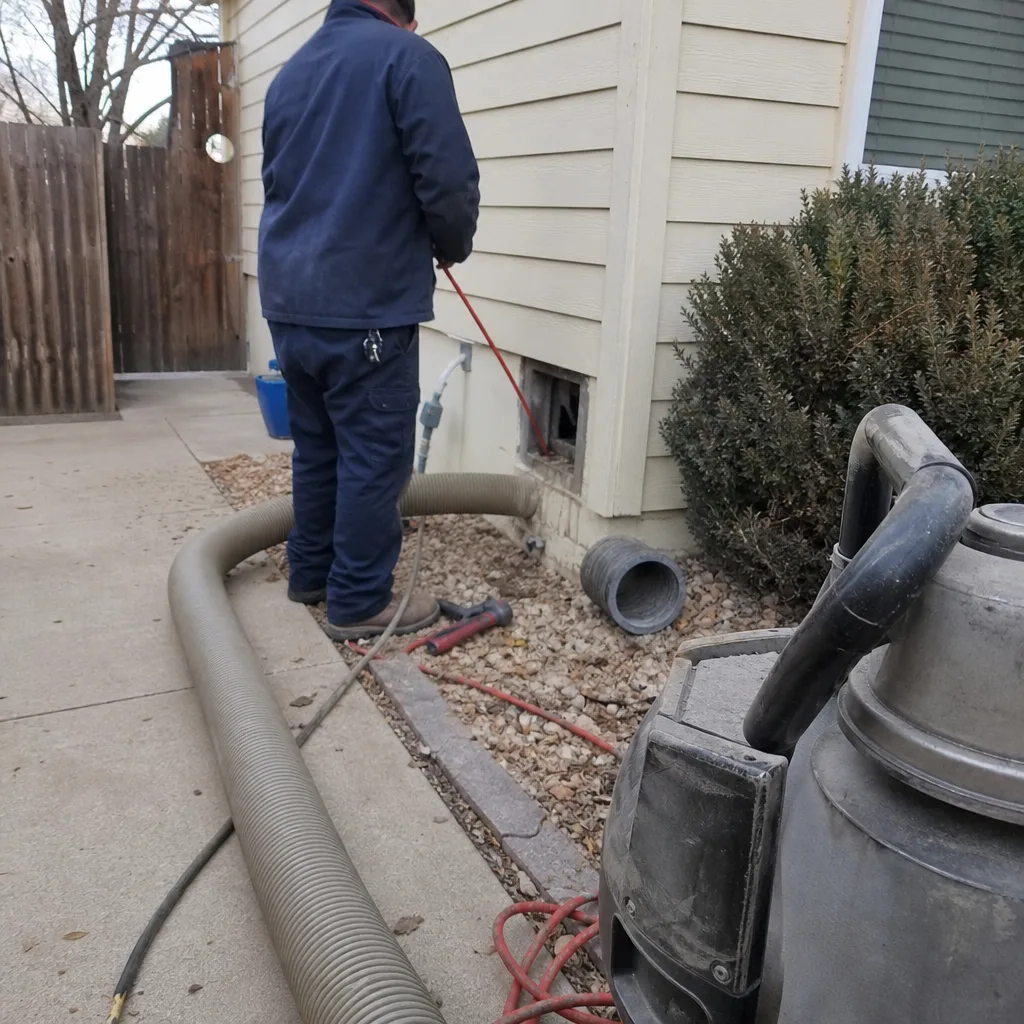 Before
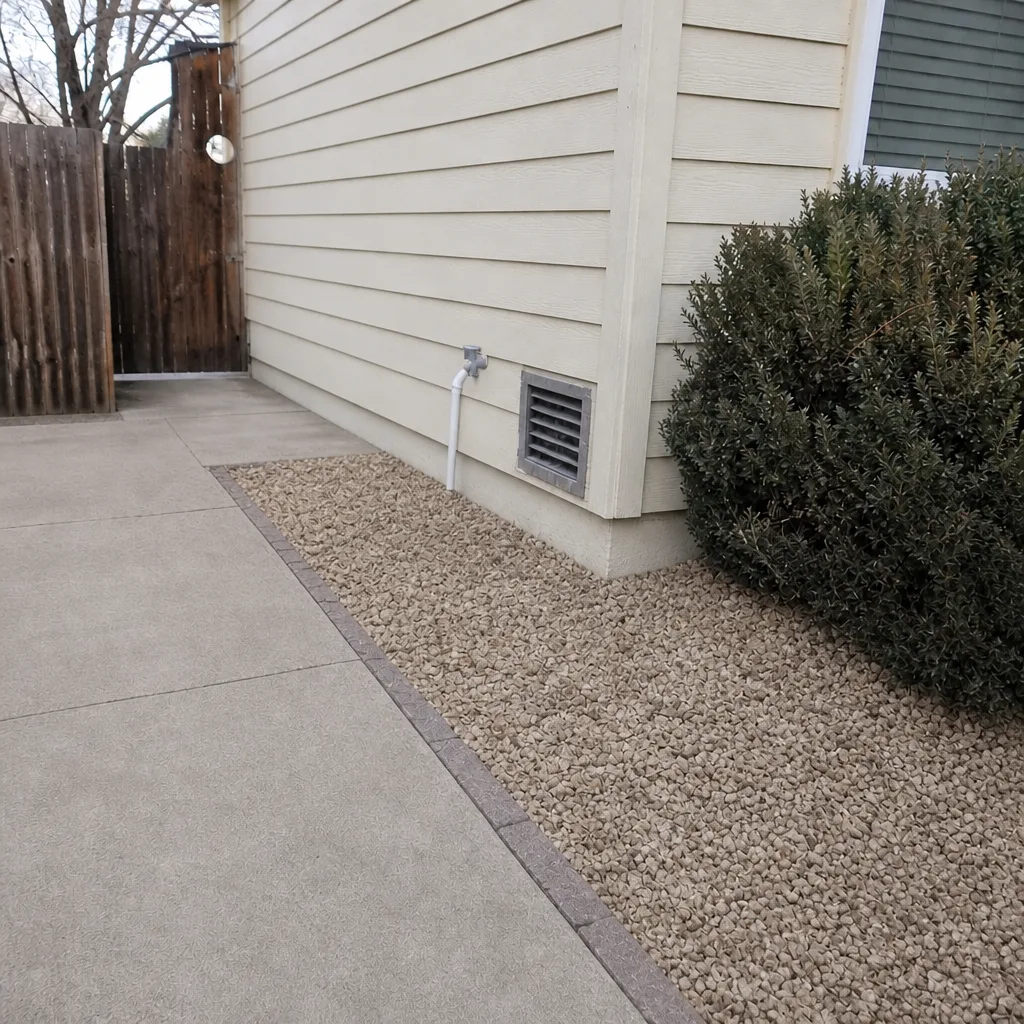 After
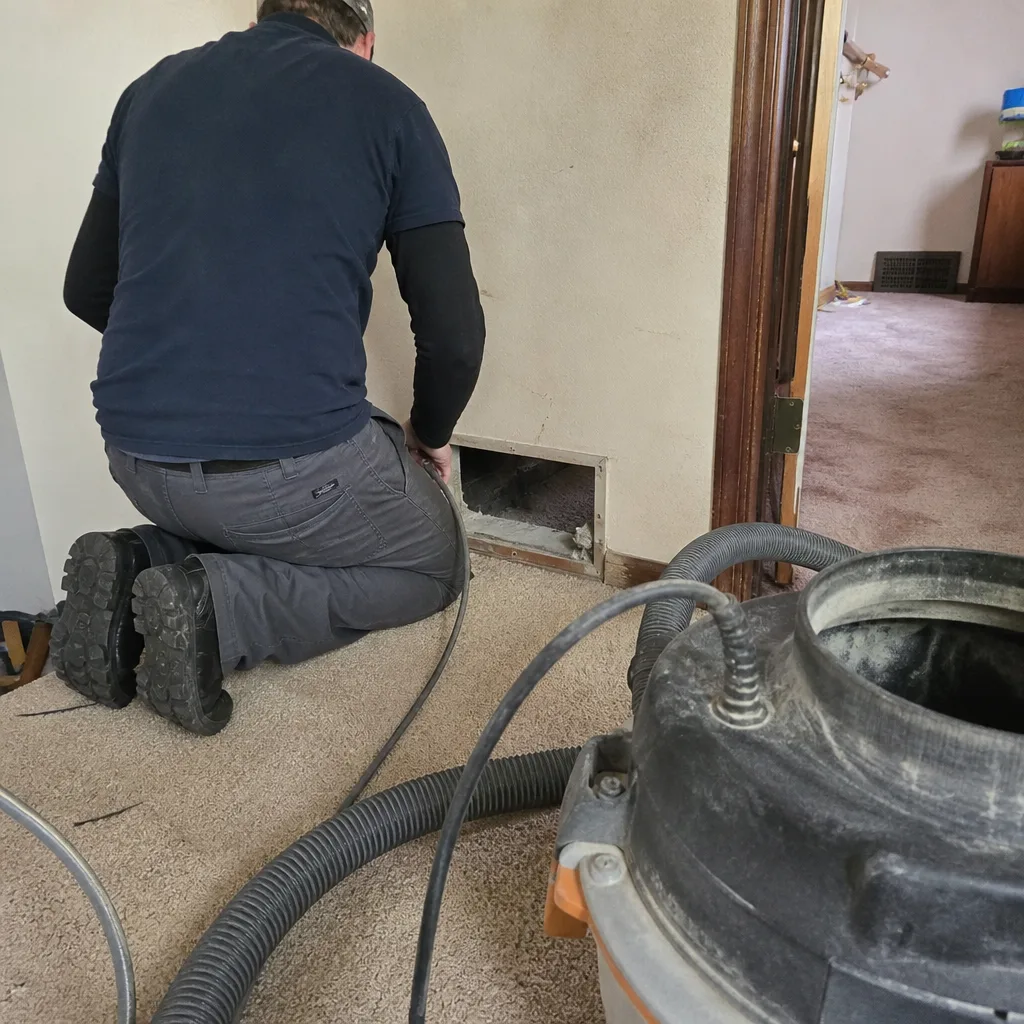 Before
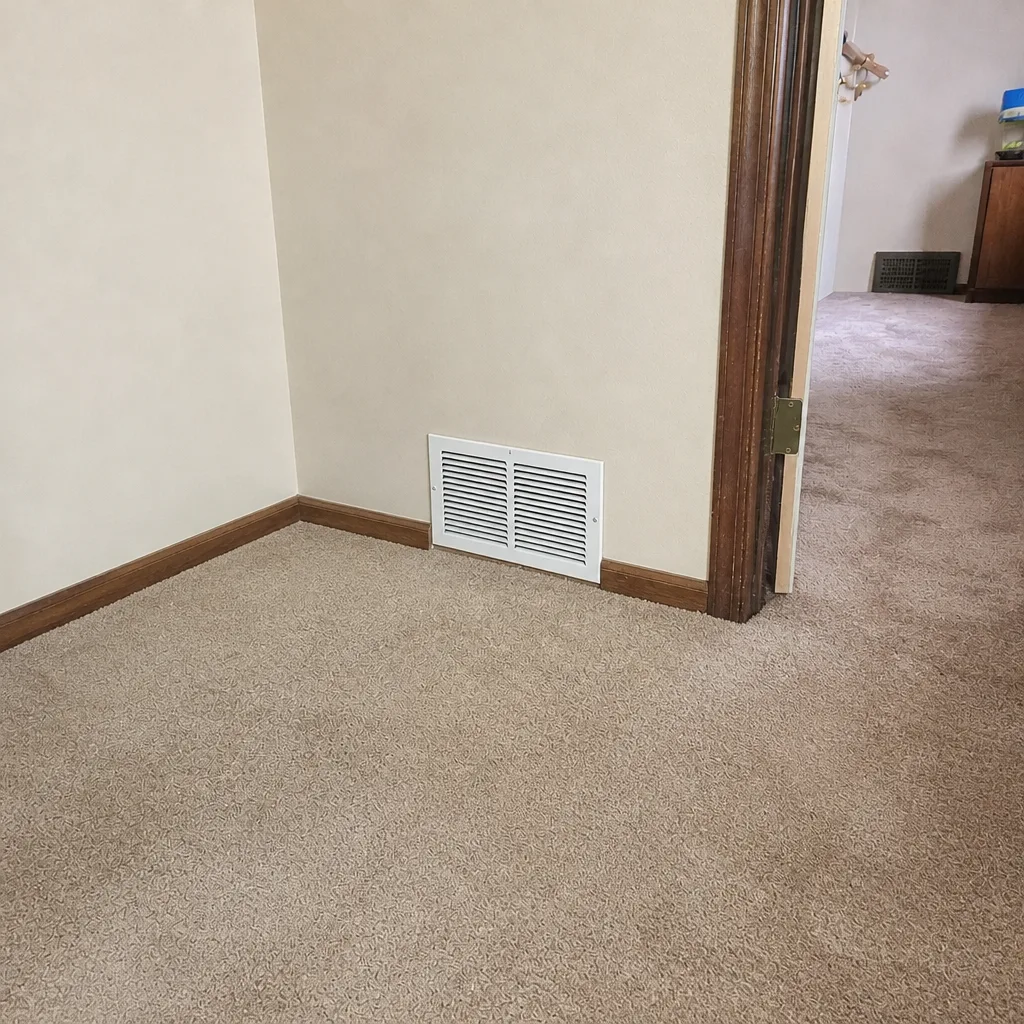 After
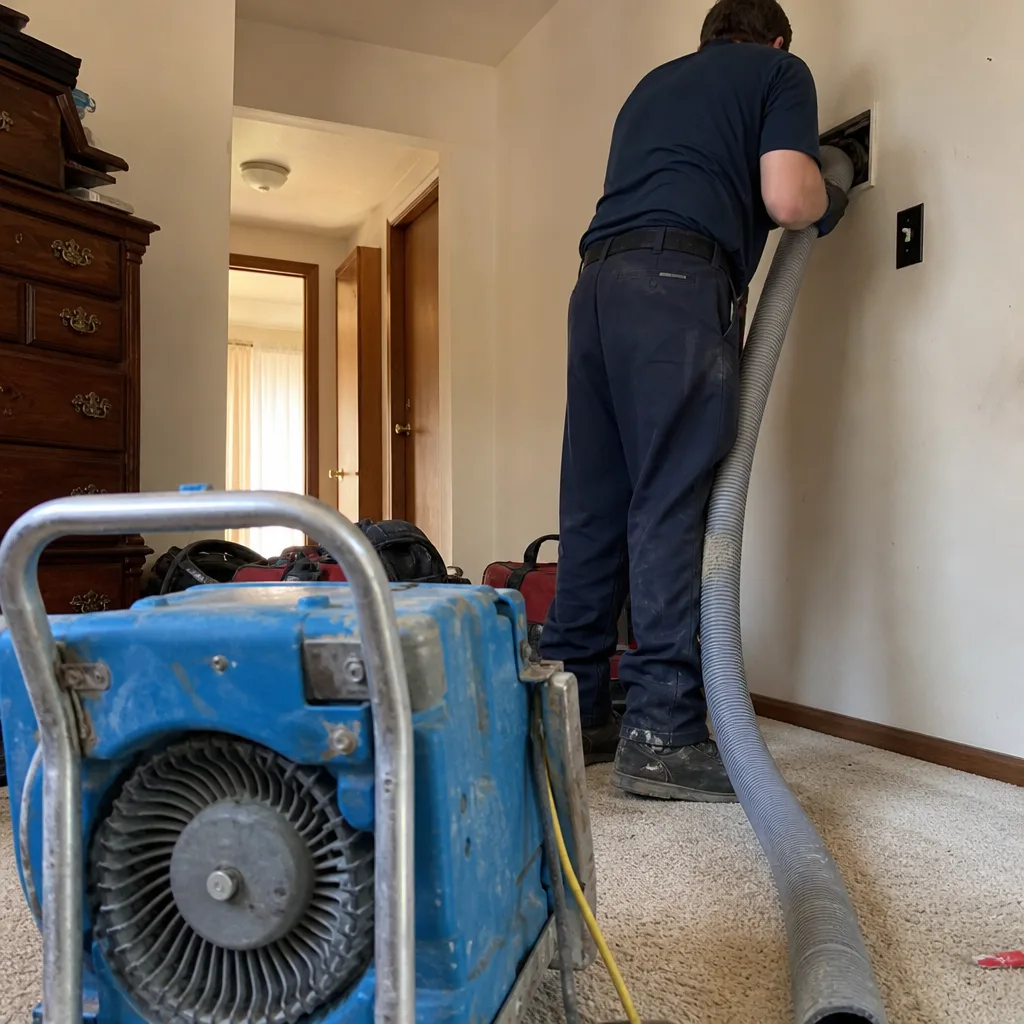 Before
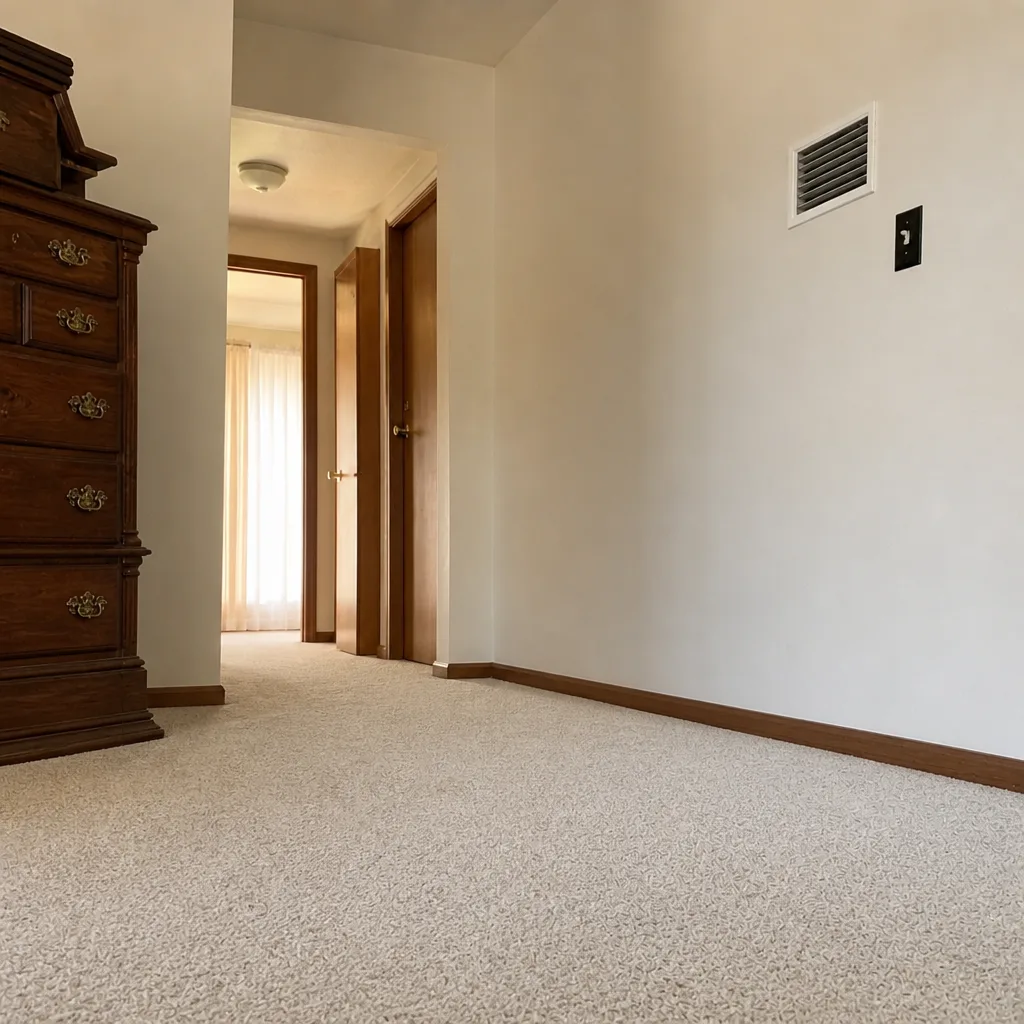 After
Frequently Asked Questions
Every two to three years for a typical home, and every 18 months for homes with pets, allergy symptoms, or nearby construction. Lakewood’s seasonal patterns load the system across all four seasons, so a professional cleaning should sit inside a year-round maintenance calendar rather than replace one. Homes that have had a smoke-heavy summer or a major remodel should be cleaned sooner. Call (844) 759-1418 for an exact schedule based on your home – estimates are free.
Yes, mechanical agitation with HEPA extraction removes most settled smoke residue from duct walls and the plenum. The important detail is sequence: cleaning before filtration upgrades so the new filter starts with a clean system, and cleaning after smoke season rather than before it. If smoke season is imminent, filtration upgrades go in first. Call (844) 759-1418 to talk through timing for your home.
First-heat odor is usually dust burning off the heat exchanger and the plenum after a cooling season of accumulated particulate. It’s the most common fall symptom in Lakewood homes, and it often clears in a few cycles. A musty smell, or one that persists past the first few days, points to a moisture or biological load that needs professional inspection. Call (844) 759-1418 if it doesn’t clear.
Often yes, but not always: a filter that’s too restrictive can starve the blower and cut airflow. The right MERV rating depends on your blower and duct configuration. During wildfire season the goal is to capture fine smoke particulate at the return without choking the system, and a professional can size the filter correctly. Call (844) 759-1418 to talk through your setup.
Ask for before-and-after photos of your own ducts at multiple points in the system, and ask which extraction equipment was used on-site. Professional work uses mechanical agitation plus HEPA extraction, not a compressed-air blowout. That combination of equipment and photo documentation is how you verify the work rather than assume it. Call (844) 759-1418 for a written estimate before any work starts.
No. Regular filter changes reduce what reaches the duct walls but don’t remove what’s already settled there. Even a well-maintained filter passes a fraction of fine particulate, and that fraction accumulates over a heating and cooling cycle. Filter changes are part of the schedule; they don’t replace the mechanical cleaning. Call (844) 759-1418 for a free assessment of what your system needs.
The Bottom Line
Lakewood throws a different duct stress at your home every season: smoke in summer, dust migration in winter, construction and wind in spring, first-heat odors in fall. Year-round care means matching the maintenance action to the season rather than paying for a single annual cleaning that misses most of the year. Change filters on schedule, do the fall pre-heat inspection, upgrade filtration before smoke season, check duct seals in spring, and book professional cleaning every two to three years – more often if someone in the home has ongoing symptoms. That sequence catches the load when it’s cheapest to remove and keeps the system in the best state between visits.
Contact
If you’d like a free estimate for a duct cleaning, an inspection, or a full diagnostic on ventilation, filtration, or duct sealing, call (844) 759-1418. We answer 24/7. Fast dispatch from 7am to 7pm, Sunday through Friday. One flat price per system is set by the written estimate before work starts, and every visit finishes with before-and-after photos of your own ducts.
Written by the team at Lakewood Air Duct Cleaning Experts.