
Last updated November 23, 2026
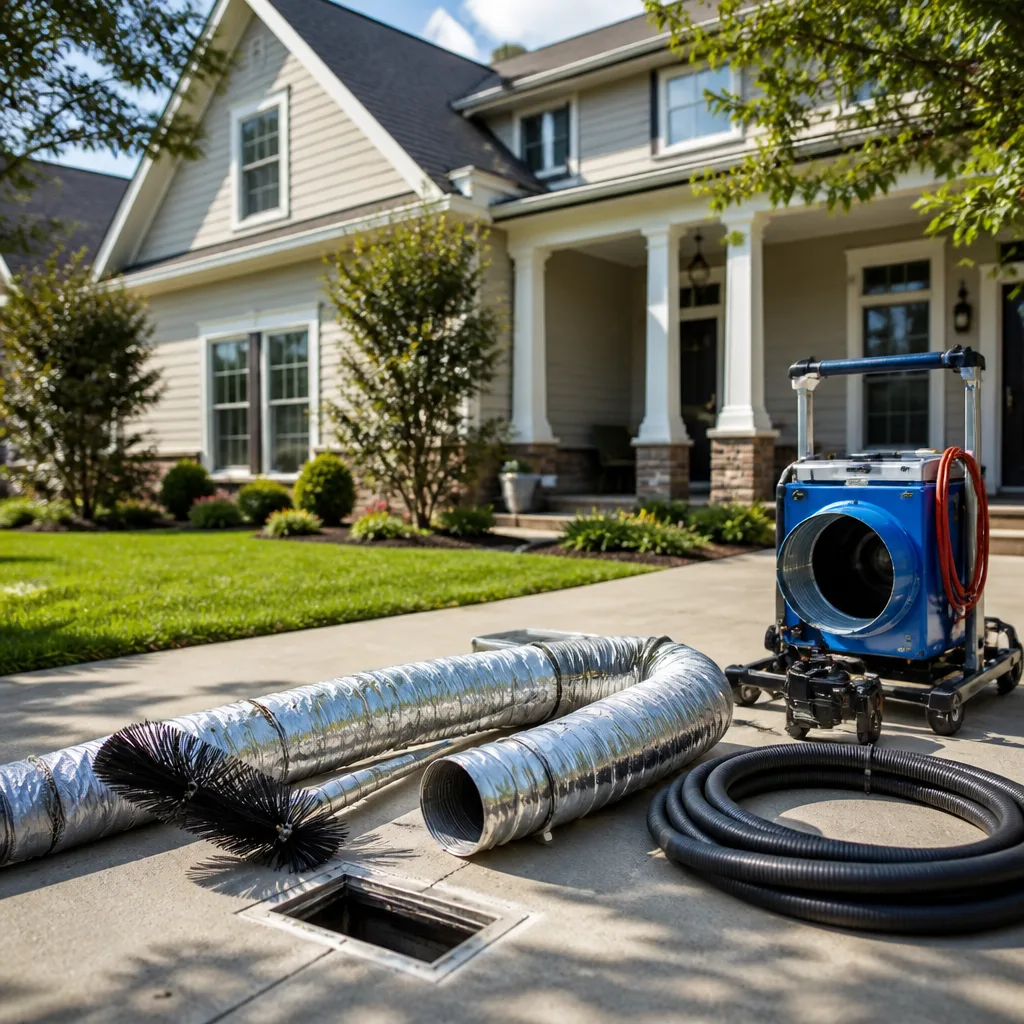 Whole-home duct cleaning
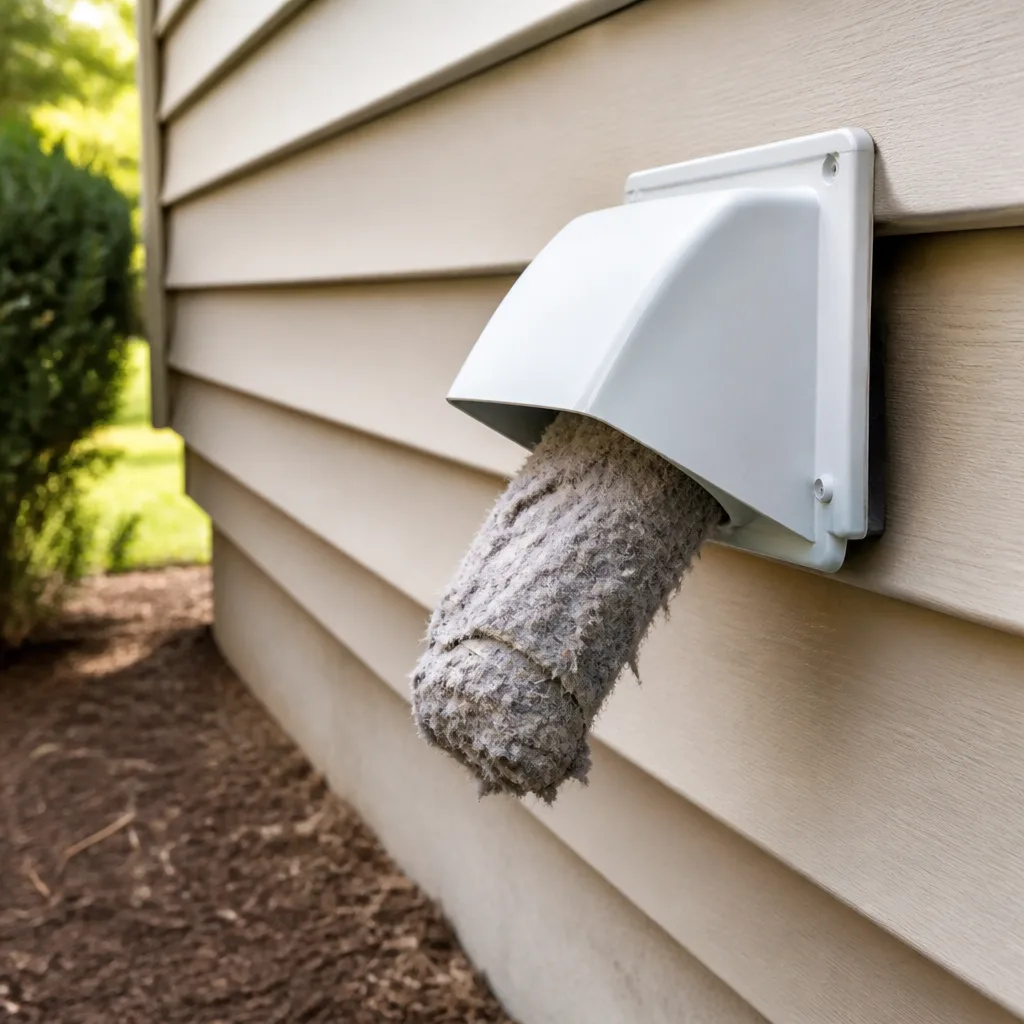 Dryer vent cleaning
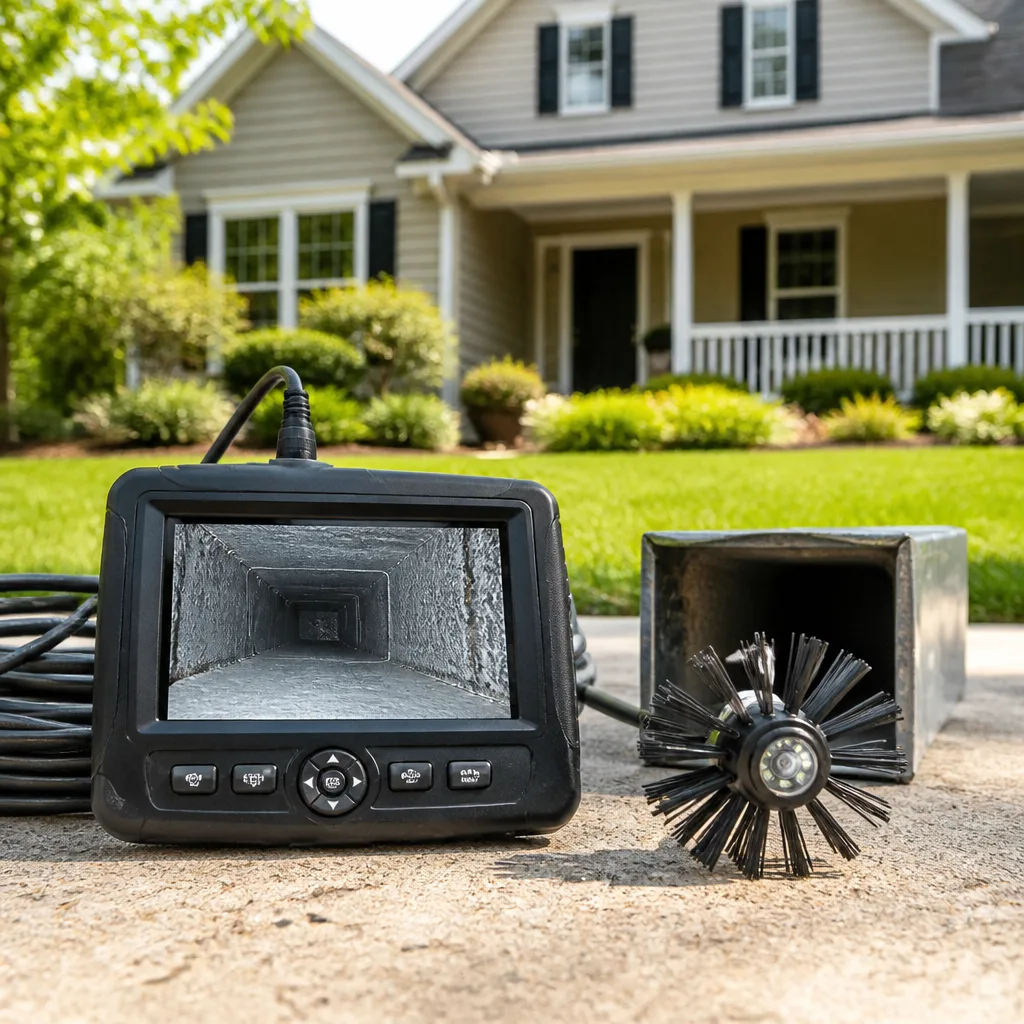 Camera inspection
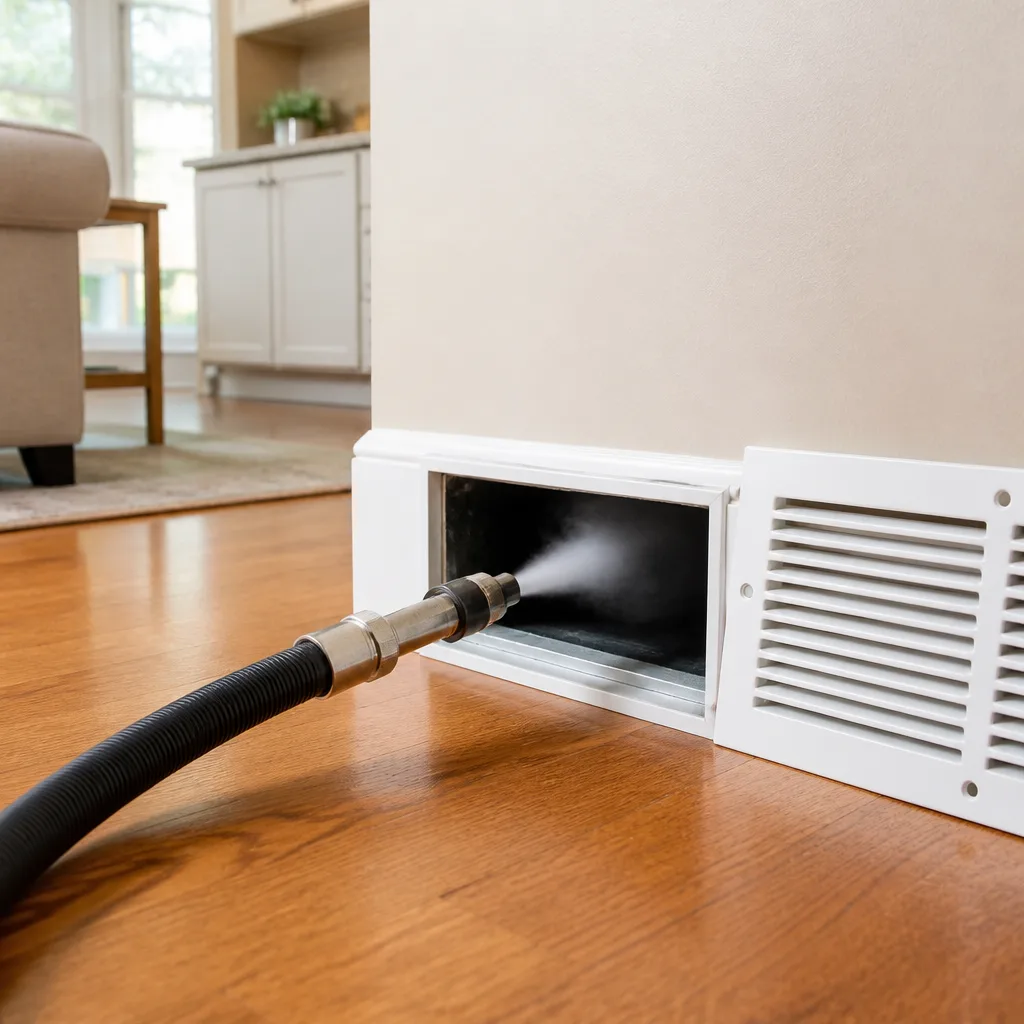 Sanitizing & deodorizing
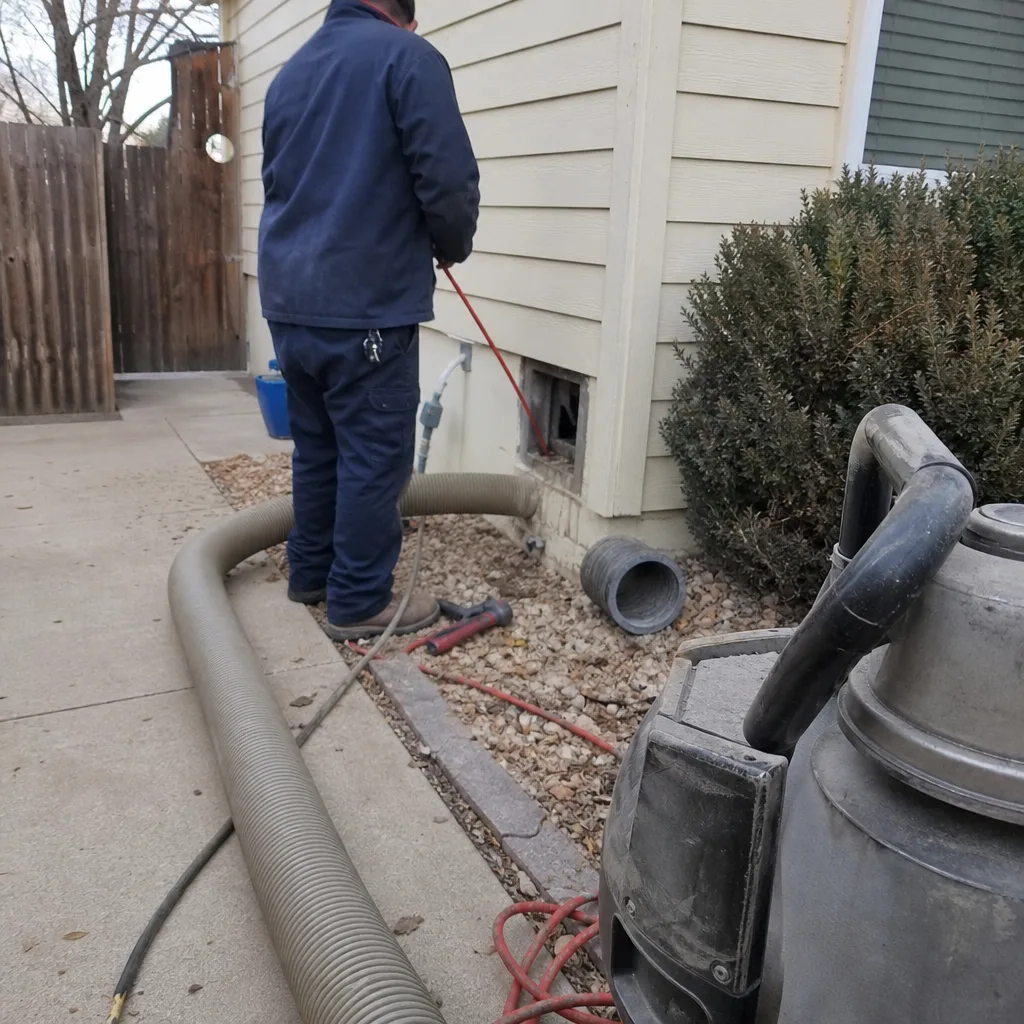
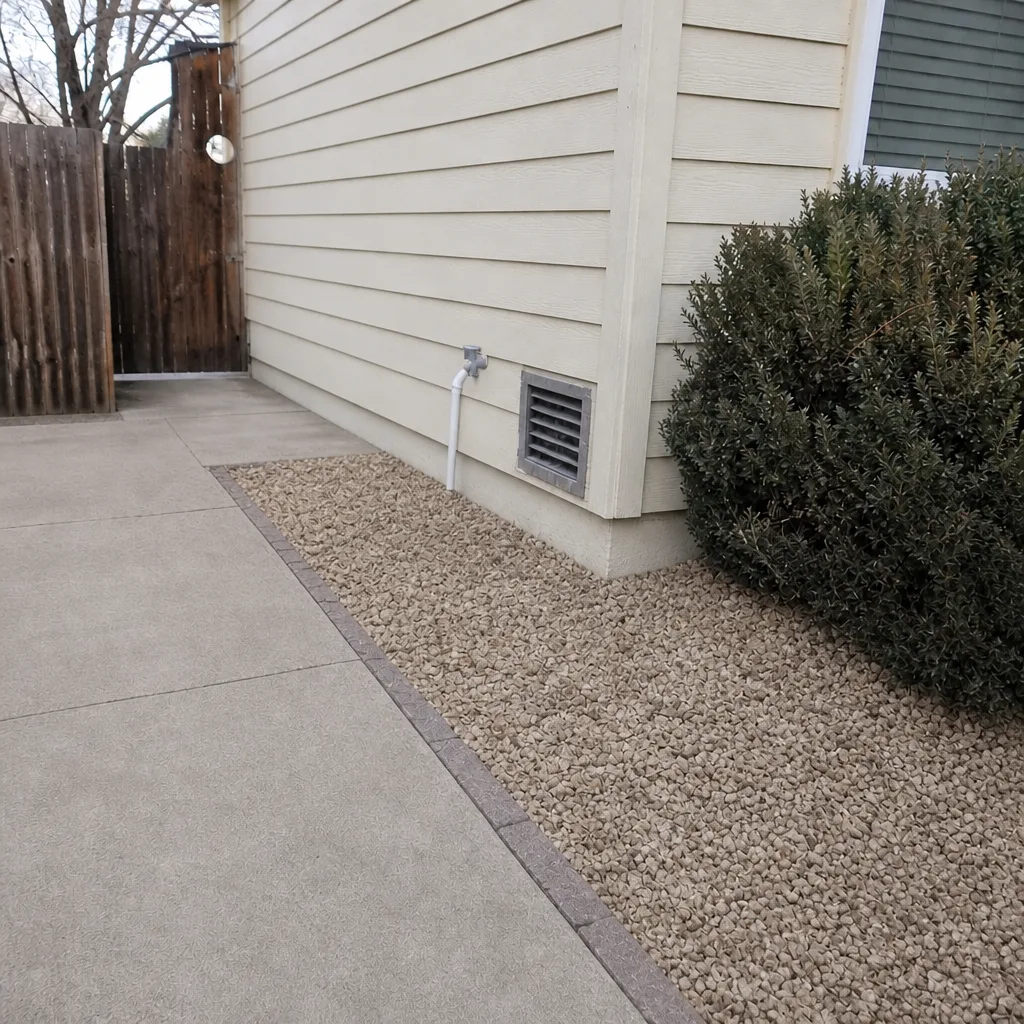
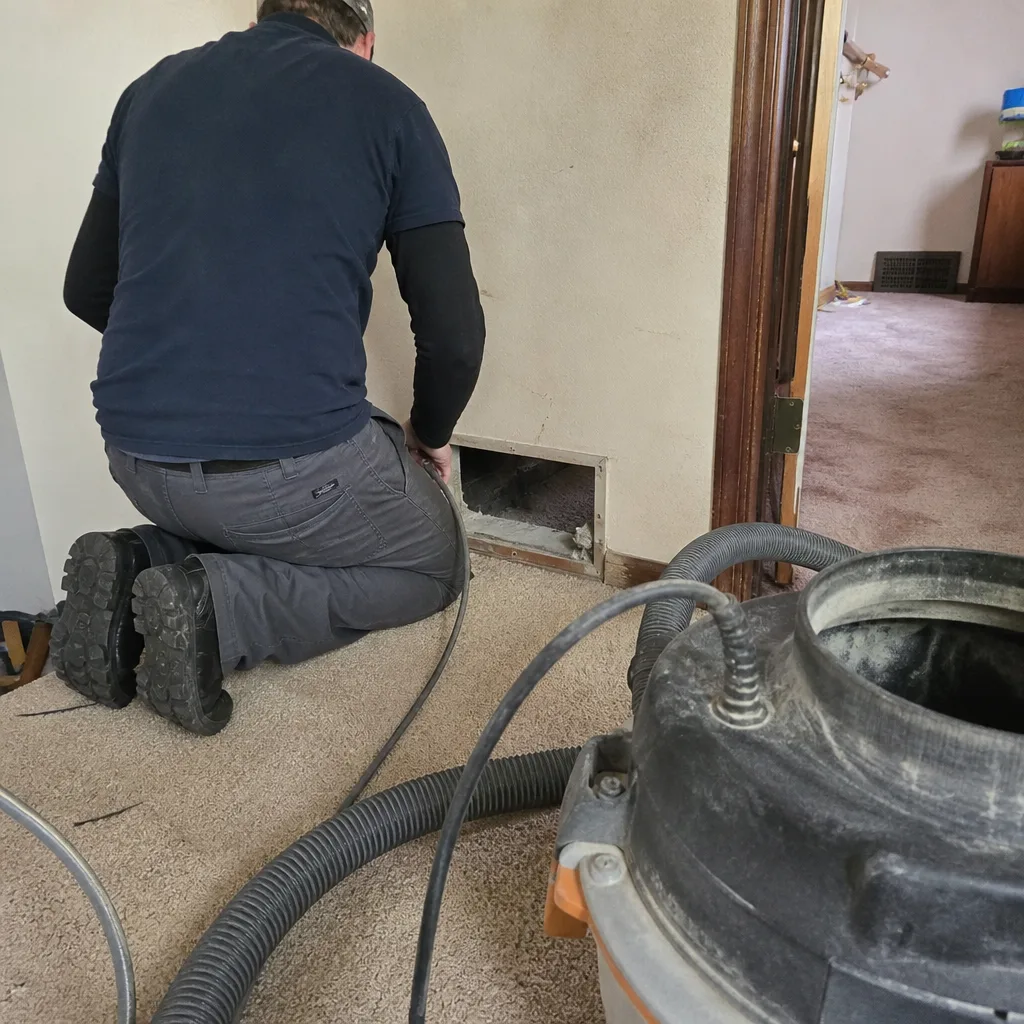
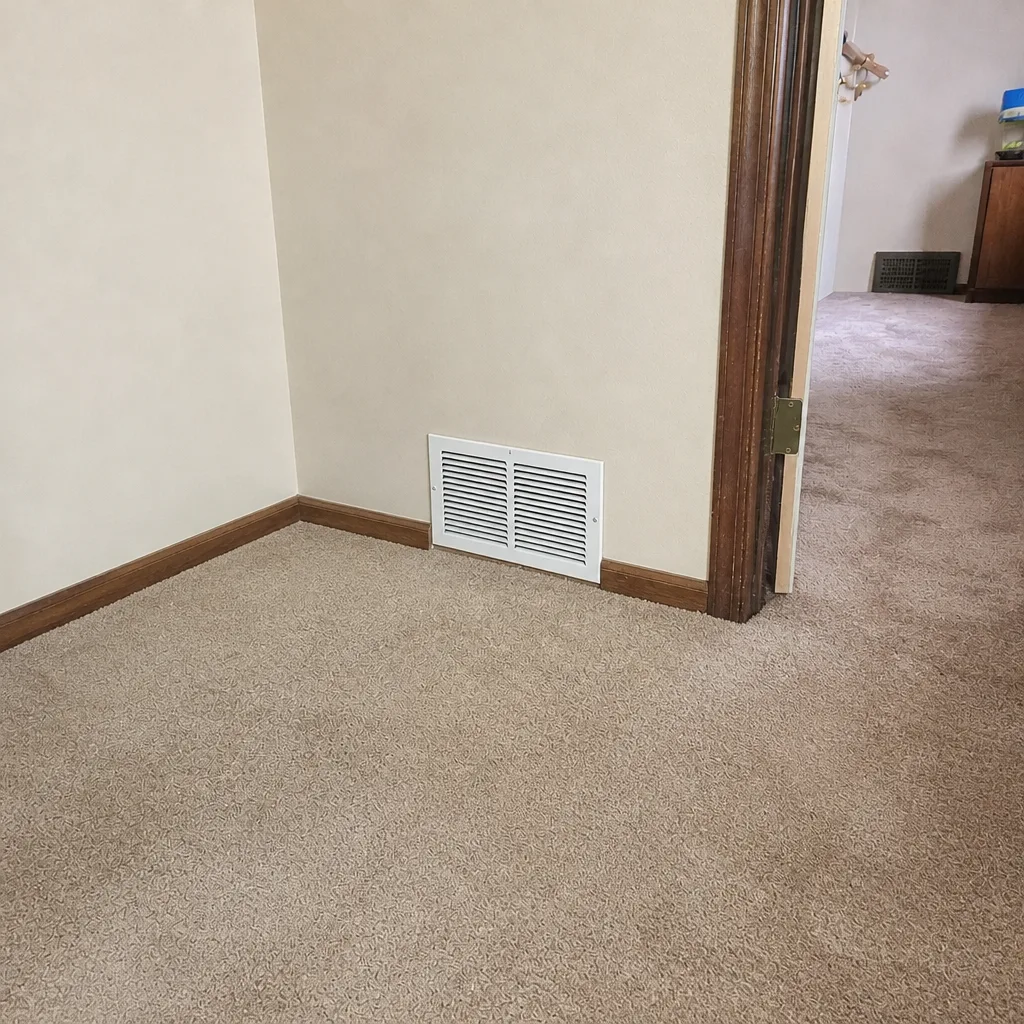
Whole-system duct and dryer vent check with before-and-after photos - you see exactly what came out of your vents
That "$99 whole-house special" is a bait ad - the real number appears once they are in your hallway, or the "clean" is a shop-vac at the register. We photograph the inside of your ducts before and after instead.
DIY vs Professional Air Duct Cleaning: The Lakewood Homeowner’s Decision Guide
Most homeowners assume the DIY-or-professional question comes down to skill. It doesn’t. It comes down to pressure. A typical shop-vac pulls roughly 60 to 80 cubic feet per minute of suction. A professional duct cleaning system moves air in the range of 15,000 to 20,000 CFM. That difference isn’t a matter of a bigger brand name on the housing. It’s physics. Underpowered suction lifts a little loose dust at the register and leaves the compacted layer stuck to the duct walls, which means a weak vacuum mostly stirs contamination into the air you’re about to breathe. This guide walks through what that pressure gap means in a Lakewood home, which jobs a careful homeowner can genuinely handle, and which ones call for real extraction equipment.
Quick Answer
You can handle register grilles, accessible return vents, filter housings, and dryer vent clearing yourself with the right hand tools and a HEPA shop-vac. You can’t truly clean the interior duct network without professional negative-pressure equipment that generates enough airflow to pull debris off the walls and capture it at the source. If your ducts have never been cleaned, or you’re dealing with mold, moisture, or post-construction debris, call a professional with the right machines and know the difference.
Styles & brands we work with
- Whole-home duct cleaning
- Dryer vent cleaning
- Camera inspection
- Sanitizing & deodorizing
Table of Contents
- The Physics of Source Removal: What CFM Really Means
- What You Can Legitimately DIY (And How)
- What Looks Like Duct Cleaning on YouTube but Makes It Worse
- Three Scenarios Where Professional Cleaning Is Unambiguous
- How to Prep Before a Professional Crew Arrives
- The Equipment Gap: Why Truck-Mount Systems Cost What They Do
- Common Mistakes to Avoid
- When to Call a Professional
- Frequently Asked Questions
The Physics of Source Removal: What CFM Really Means
CFM stands for cubic feet per minute, and it’s the single number that separates meaningful duct cleaning from a cosmetic wipe-down. It measures how much air a machine moves through the duct in a minute. The higher the CFM, the stronger the negative pressure pulling debris off duct surfaces and into a containment system. Source removal – the professional term for pulling contaminants out of the system entirely rather than moving them around – depends on that pressure. Without it, you’re not extracting, you’re agitating.
Here’s the practical version. Dust and debris in a duct system aren’t loose like sand. They cling. Grease from kitchens, skin cells, pet dander, and fibers all coat the walls and stick. To peel that material off a galvanized duct wall, you need two things working together: mechanical agitation to break the material free, and enough negative pressure to pull it into the vacuum before it settles again. Professional systems pair a rotary brush head – a rotating whip or bristle head that scrubs the duct interior – with a high-CFM vacuum. In our work we use Rotobrush rotary-brush systems for the agitation side and Nikro HEPA vacuums to capture dislodged debris at the source, so it doesn’t recirculate into living spaces during the job.
A shop-vac can’t replicate that. Even a good HEPA-rated shop-vac pulls a fraction of the airflow a professional system generates, and no shop-vac creates a sealed negative-pressure envelope around the duct work. When a homeowner vacuuming a register pulls air through, the dust further down the line mostly stays put. Sometimes it gets pulled loose and just resettles a few feet away, or into a room. In a Lakewood home with a finished basement, that redistribution is easy to feel in the air for a day or two. The point of source-removal cleaning is that the material leaves the system entirely and gets filtered out of the airstream at the machine.
The habit of comparing vacuum brands is the wrong instinct. Two shop-vacs with big motors still won’t approach professional airflow. What separates a real duct cleaning from a homeowner’s weekend attempt is whether the machine can generate enough vacuum to overcome the friction of the whole duct run – which is why professional equipment is sized to the duct network, not to a single register.
What You Can Legitimately DIY (And How)
A lot of duct maintenance is safe and sensible to do yourself, and there’s no reason to pay a professional for any of it. The dividing line is this: anything at the surface you can reach with the right tools is fair game. Anything behind the grille that requires pulling real negative pressure is not. Here’s a practical list of what you can handle.
Register and return grille cleaning
- Remove the grille screws or lift the hinged grille and set it on a towel.
- Vacuum both faces of the grille with a brush attachment on a HEPA shop-vac, working front to back so you don’t push debris inward.
- Wash painted metal grilles in the sink with warm water and a mild dish soap, then dry them fully before reinstalling. Wet grilles near the duct opening can rust or breed mold.
- Wipe the duct boot – the short section right behind the grille that you can reach – with a damp microfiber cloth, then let it dry before reinstalling the grille.
Accessible return vent vacuuming
Return vents pull air in rather than blow it out, so they collect dust faster than supply registers. With the furnace filter out and the system off, you can vacuum the reachable section above the return grille – usually 12 to 18 inches – using a flexible crevice tool. Don’t force the tool deeper than you can see; you can knock loose debris into the return plenum that the system will then push back through the house.
Dryer vent clearing
This is one of the highest-value DIY jobs in any home, and one every Lakewood homeowner should know how to do. Disconnect the dryer from the wall, pull the vent hose off the back, and use a dryer vent brush and a shop-vac to clear lint. Clean the exterior flap screen too, and check that the flap opens fully. If your dryer vent run is long, has multiple elbows, or you can’t reach a section from either end, that’s the point to stop and call for dryer vent cleaning. Lint accumulation is a real fire hazard and a blocked vent also forces the dryer to work harder.
Filter housing wipe-down
Pull your furnace filter, vacuum the filter housing walls and the floor of the return plenum with a crevice tool, and check for any dust bypass around the filter frame. A filter that doesn’t seal well lets unfiltered air bypass the media entirely, which is a bigger deal for air quality than most homeowners realize. Reinstall with the arrow pointing toward the furnace.
What Looks Like Duct Cleaning on YouTube but Makes It Worse
Plenty of videos online show a homeowner or a shortcut contractor appearing to clean ducts. Some of those techniques actively make contamination worse, sometimes by pushing debris deeper or spreading moisture for mold to feed on. Three of the worst offenders show up again and again.
Blasting compressed air without negative-pressure containment
Compressed air can knock dust off a duct wall, but without a sealed vacuum pulling from the other end, that dust goes into the house. It settles on furniture, in carpets, and into the air your family is breathing for hours afterward. If you ever see someone cleaning a system with compressed air and no connected vacuum, stop the work. Professional cleaning is built around paired agitation and extraction, not blowing only.
Wet-wiping metal ducts
Metal duct joints and seams aren’t sealed against moisture from the inside. Wiping them down with a damp cloth pushes moisture into crevices that stay damp long after the cloth comes out. In a Colorado home where winter indoor air runs dry, it’s tempting to think dampness is harmless, but internal duct moisture is a real threat in any climate – mold spores can settle on a damp surface and the growth is expensive to remediate. Dry mechanical cleaning only, unless you’re wiping the reachable surface right behind a register and drying it completely.
Chemical fogging before debris removal
Fogging a duct system with an antimicrobial or sanitizing product before the debris has been physically removed is the wrong order. The fog sits on top of a contaminant layer instead of reaching clean duct surface. Most chemical treatments are designed to be applied to a system that’s already been mechanically cleaned – and a fogger without extraction equipment can push contaminants rather than eliminate them. Cleaning and sanitizing are two separate steps, and cleaning comes first.
Three Scenarios Where Professional Cleaning Is Unambiguous
Some homes don’t need a judgment call. If any of the following three situations applies to your house, professional cleaning is the right answer, and DIY work in these cases ranges from wasted effort to genuinely counterproductive.
1. Post-construction debris
If the home has had drywall work, remodeling, a new furnace install, or a duct system replacement, the duct network likely contains construction dust, drywall fragments, and sawdust. Drywall dust is particularly fine and sticks to duct surfaces. It also clogs air filters quickly, which forces the blower to work harder. Sheetrock dust can also migrate to the evaporator coil, and a coil packed with drywall dust is a real efficiency loss. Construction debris requires mechanical agitation with a brush system and high-CFM extraction to fully clear, and a homeowner with a shop-vac will pull a small fraction of it out.
2. Confirmed mold or moisture intrusion
If a moisture reading, a visible dark stain inside a register, or persistent musty odor points to mold inside the duct system, DIY is not the answer. Mold growth inside ducts is a health and structural issue, and remediating it requires careful containment, extraction equipment, and in some cases sanitizing after the physical cleaning. In our work we use Abatement Technologies air filtration units on-site because that standard of contaminant control – drawn from professional abatement work – is what makes a real difference when mold or concentrated debris is present. If there’s active water intrusion, the source has to be fixed first, or mold will come back.
3. Ducts that have never been cleaned
A home with original ducts that have never been cleaned typically carries years of accumulated debris – lint, dust, pet hair, and in older homes, whatever materials collected in decades past. A homeowner with a shop-vac can’t meaningfully remove that accumulation because the reach and the pressure aren’t there. This is the classic case where the professional job pays off in the difference between “cleaned” and “looks cleaner at the grille.” If you’re not sure when, or whether, your ducts have ever been cleaned, the safest assumption is that they haven’t.
How to Prep Before a Professional Crew Arrives
A well-prepped home shortens the job and helps the crew work faster and cleaner. The following list covers what to do in the roughly 48 hours before a scheduled professional air duct cleaning visit. None of it is a substitute for the cleaning – it’s legitimately useful groundwork.
- Note every register and grille you know about. That includes floor registers, ceiling registers, wall-mounted returns, and any registers in rooms you don’t use. Walk the house with a notepad and count them. A crew that finds an unlisted register mid-job will have to back up and cover it, and you’d rather know about it up front.
- Clear access to the furnace and air handler. Pull stored boxes away from the unit, and check that there’s a clear path from the front door or garage to the furnace closet. Cleaning equipment needs space on both sides.
- Move pets to a closed room. Animals are curious, and a crew with hoses and tools doesn’t need a dog in the work zone. This is especially important in a home with a basement air handler that pets can reach.
- Take down or cover wall art and delicate items in rooms with ceiling registers. Extraction equipment uses airflow, and light items on shelves near registers can shift. Take a few minutes to run a sheet over those shelves.
- Change your air filter only after the cleaning, not before. The old filter isn’t wasted – leave it in place until after the crew finishes, then install a fresh one. New filters installed the day before cleaning catch debris that should have gone to the machine.
- Get an honest history ready. Note when the home was built, any recent remodeling, whether you’ve had water damage, and whether the ducts have been cleaned before. The crew can tailor the cleaning and any repair or sealing work based on that history.
You can also plan to be present at the start of the job, at least briefly, to answer questions. Once the crew is set up, you don’t need to stay for the full visit, but a quick walkthrough at the start saves time and misunderstandings.
The Equipment Gap: Why Truck-Mount Systems Cost What They Do
It’s reasonable to ask why professional duct cleaning costs what it does when a shop-vac costs a fraction of the price. The honest answer is that the machines are entirely different categories. A professional rotary-brush system includes the brush heads – different sizes and stiffnesses for different duct types – plus the flexible drive shafts to reach long runs, plus a HEPA vacuum to capture what the brush frees. The whole kit costs many times what a shop-vac does, and it’s the reason one firm can clean an entire home in a few hours while a homeowner with a shop-vac might spend a weekend on one register and still not get it fully clean.
Two pieces of the toolkit are worth knowing about by name. Rotobrush is a rotary-brush system that agitates duct walls with controlled pressure; it navigates bends and long runs and scrubs material free without scoring the metal. Nikro HEPA vacuums capture the dislodged debris at the source, with a HEPA filter that prevents recirculation into living spaces during the job. Together they make a source-removal cleaning possible. Neither machine exists in residential-grade form.
There’s a service-side consequence of the equipment gap. When you call for professional air duct cleaning in Lakewood, the crew can do the full job in one visit – cleaning, sanitizing, and if the ducts need it, repair and sealing work. That’s a meaningful difference from hiring one contractor for cleaning and another for sealing or air quality upgrades. The same crew handles the whole system, often with Honeywell or Aprilaire components installed during the same visit if the homeowner wants to upgrade filtration.
Common Mistakes to Avoid
- Assuming the grille is the only thing that matters. A shiny grille is a sign somebody wiped it, not a sign the ducts were cleaned. Debris accumulates deeper in the run, so always ask for before-and-after photos of the actual duct interior, not just the register.
- Hiring a bargain quote without checking the equipment list. If a crew shows up with only shop-vacs and compressed air, the “cleaning” is a blowout. Ask what CFM machines they use before booking. In a Lakewood market that has plenty of duct cleaning companies, the equipment list is the honest differentiator.
- Running the HVAC system during a DIY attempt. If you clean any accessible duct while the furnace is running, everything you knock loose gets pulled deeper into the system. Always turn the system off at the thermostat before you start.
- Ignoring the return plenum. Most DIY effort goes to supply registers, which is fine for surface dust, but return vents and the short section of duct above them collect far more material. If you’re vacuuming any of it, vacuum the returns first.
- Sanitizing before cleaning. Fogging a duct system before the debris is removed leaves the fog sitting on top of contaminants. Cleaning comes first, sanitizing second, every time.
- Skipping the dryer vent. Many homeowners treat the dryer vent separately from the main duct system, then let lint build up for years. A clogged dryer vent is a fire hazard, and the run is often longer than people realize – the interior portion you can reach is only part of the picture.
- Doing the whole-house cleaning without addressing the filter housing and seal. A leaky filter frame lets unfiltered air bypass the filter media entirely, so all the cleaning effort gets undone faster. Have the filter seal checked while the crew is there.
When to Call a Professional
Reach out to a professional when any of the following is true: your ducts have never been cleaned; you’ve had recent remodeling or drywall work; you see visible dark residue or a musty smell near a register; moisture intrusion has been confirmed anywhere in the system; or the dryer vent run is long and hard to reach from either end. You should also call if you’ve already tried a DIY attempt and the airflow still feels weak or uneven room to room – uneven airflow often points to something mechanical that shop-vac work can’t touch.
Our technicians have up to 11 years of experience with duct cleaning, HVAC cleaning, repair and sealing, and sanitizing in Lakewood homes of all ages. Lakewood Air Duct Cleaning Experts offers free estimates in Lakewood – call (844) 759-1418 to schedule an assessment. You can also ask about HVAC cleaning while the crew is on-site, since a coil and blower cleaning pairs well with a duct cleaning visit. We’re the crew that treats the duct system, not just the surface.
Frequently Asked Questions
Professional air duct cleaning in Lakewood typically runs in the range of a few hundred to just under a thousand dollars for a whole-house system, depending on the number of registers, the number of HVAC systems, ease of access, and whether repair, sealing, or sanitizing is added. Per-job pricing is the standard: the crew quotes a written estimate before work starts, so there’s no per-vent surprise on the invoice. Call (844) 759-1418 for an exact quote – estimates are free.
You can clean grilles, accessible return vents, the filter housing, and the parts of the duct you can reach with a crevice tool. You can’t clean the interior duct network with a shop-vac because it doesn’t generate enough negative pressure to pull stuck debris off the duct walls. A shop-vac is a cosmetic tool for ducts, not a source-removal tool. For the full system, call a professional – (844) 759-1418 for a free estimate.
Cheap quotes usually reflect a different scope of work: a compressed-air blowout with no real extraction, or a per-vent price that grows as the crew works. A crew that shows up with shop-vacs and compressed air only is doing surface dust removal, not a source-removal cleaning. The honest way to compare is to ask what equipment they use (Rotobrush, Nikro, or other true duct-cleaning machines) and to get the full number in writing before work starts. Call (844) 759-1418 for a transparent estimate.
Ask for before-and-after photos of the duct interior. A professional crew photographs the duct before cleaning and again after, and you should see a visible difference in the interior, not just the register grille. Some firms also document the machine and filter setup at the start of the job. Photos plus a written scope of work are the two best proofs a job was done right. To see what to expect in advance, call (844) 759-1418.
Most homes benefit from professional cleaning every three to five years, and some homes go much longer. Homes with pets, allergy sufferers, recent remodeling, or a lot of foot traffic benefit from more frequent cleaning. Homes with new ductwork or a recent move-in should be cleaned at least once to establish a clean baseline. If you’re not sure when your home was last cleaned, plan for one cleaning, then stretch to the three-to-five-year rhythm. Call (844) 759-1418 for a free assessment.
Sometimes. Musty smells near registers are often fixed by cleaning plus sanitizing, but if moisture is the cause, the leak or drainage issue has to be fixed or the smell returns. Uneven airflow is often a mechanical issue – blocked flex duct, a failing damper, or a duct run that was never properly sized – which is where duct repair and sealing work comes in. A diagnostic visit identifies which problem you actually have before spending money on the wrong fix. Call (844) 759-1418 to schedule an assessment.
The Bottom Line
The DIY-versus-professional question for duct cleaning turns on one number: how much air a machine can move. Shop-vacs and hand tools handle surface dust at the grilles, the accessible return vents, the dryer vent, and the filter housing, and doing that work yourself is worthwhile. The interior duct network needs 15,000 to 20,000 CFM and a rotary brush to actually extract accumulated debris, which means post-construction dust, confirmed mold, and never-cleaned ducts belong in professional hands. If you do the prep work, get honest photos of the interior, and hire based on equipment and written scope rather than the lowest price, the professional job is a clear win over a weekend of shop-vac agitation. That’s the standard we hold ourselves to at Lakewood Air Duct Cleaning Experts.
If you’re ready to have your system assessed, call (844) 759-1418 for a free estimate. We answer 24/7, and we offer fast dispatch from 7am to 7pm, Sunday through Friday. From cleaning to sealing, we handle the full job in one visit – and the local pro we connect you with can supply and install Honeywell and Aprilaire air quality equipment if you want to upgrade filtration at the same time.
Written by the team at Lakewood Air Duct Cleaning Experts.
See the difference
 Before
 After
 Before
 After
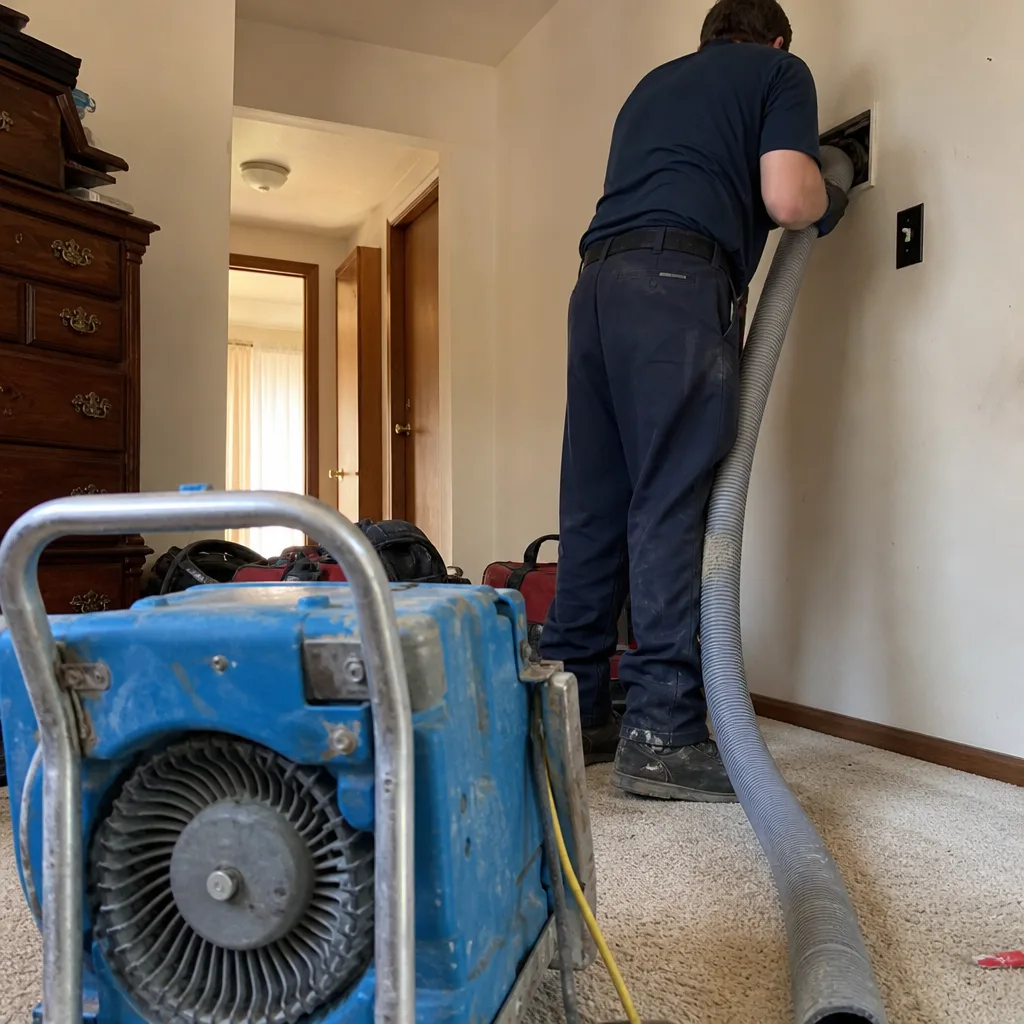 Before
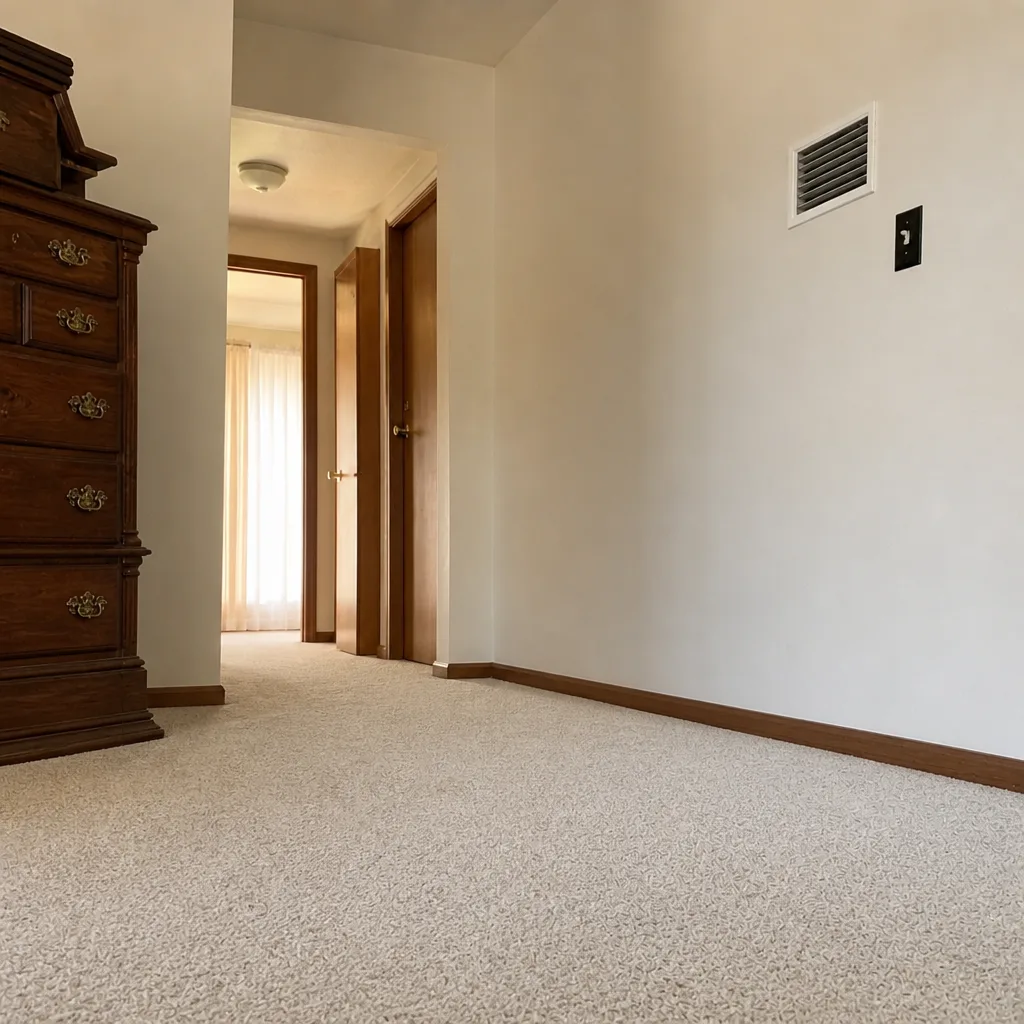 After