
Last updated November 23, 2026
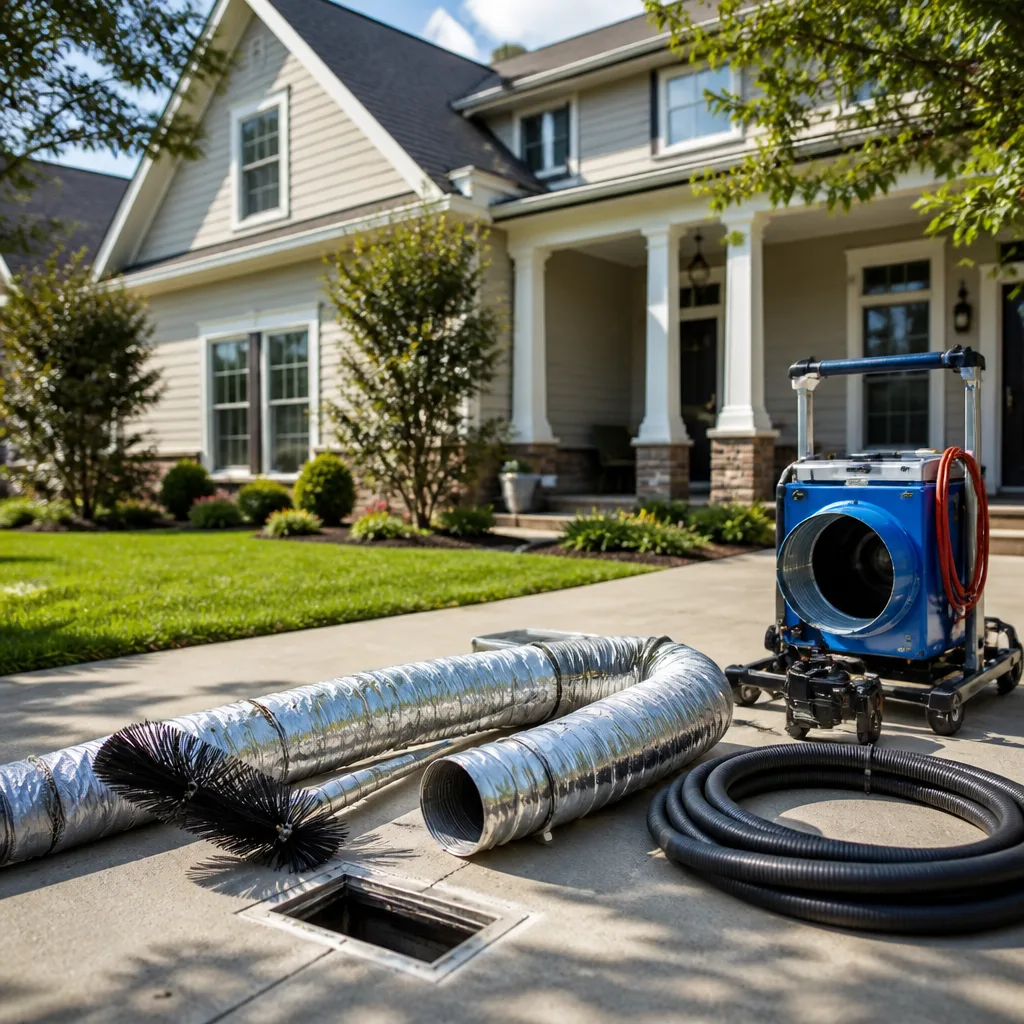 Whole-home duct cleaning
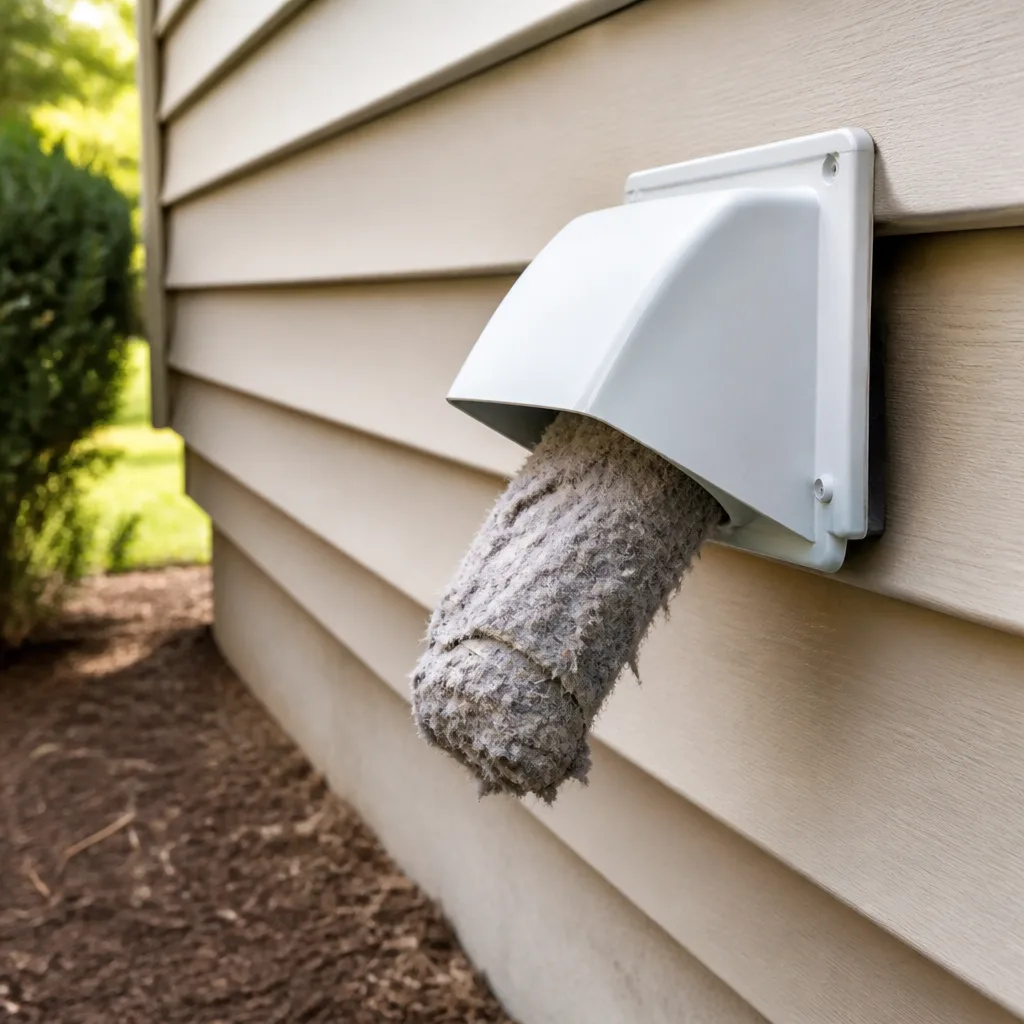 Dryer vent cleaning
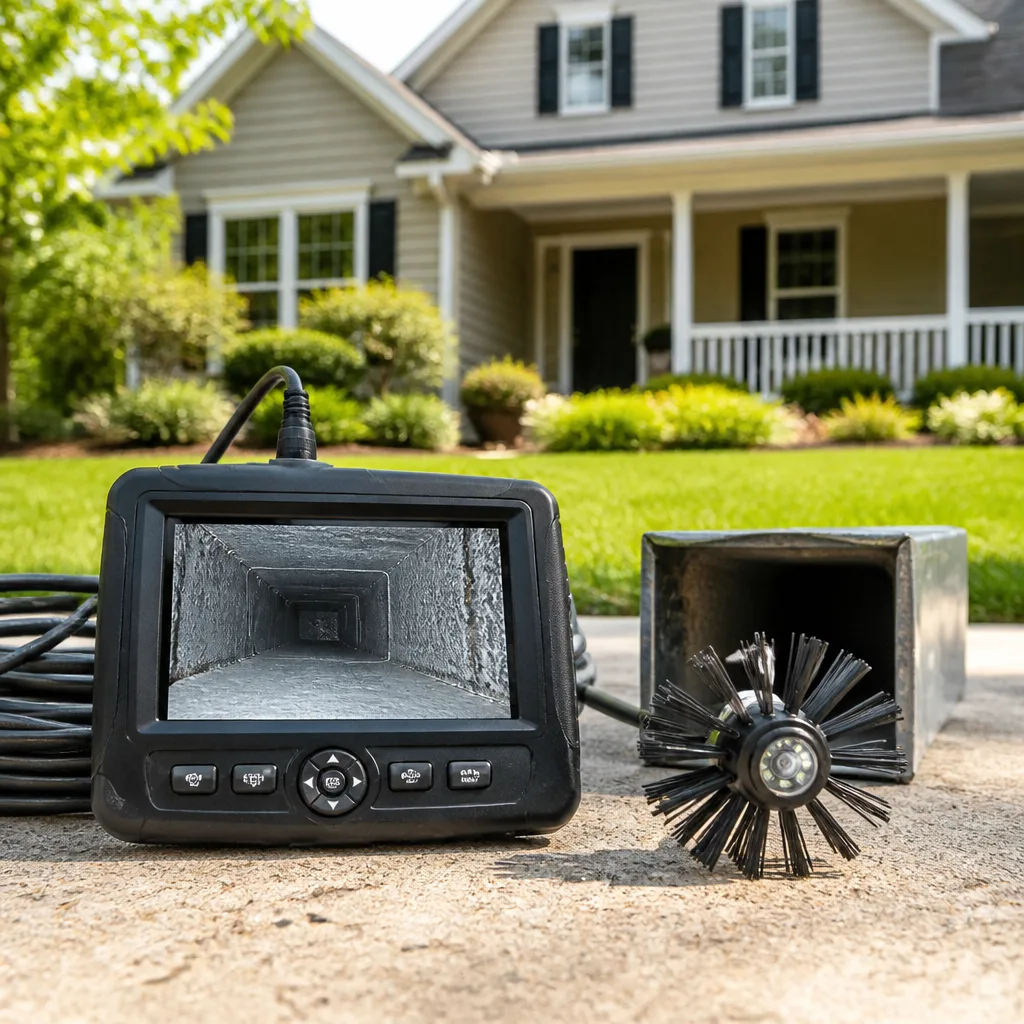 Camera inspection
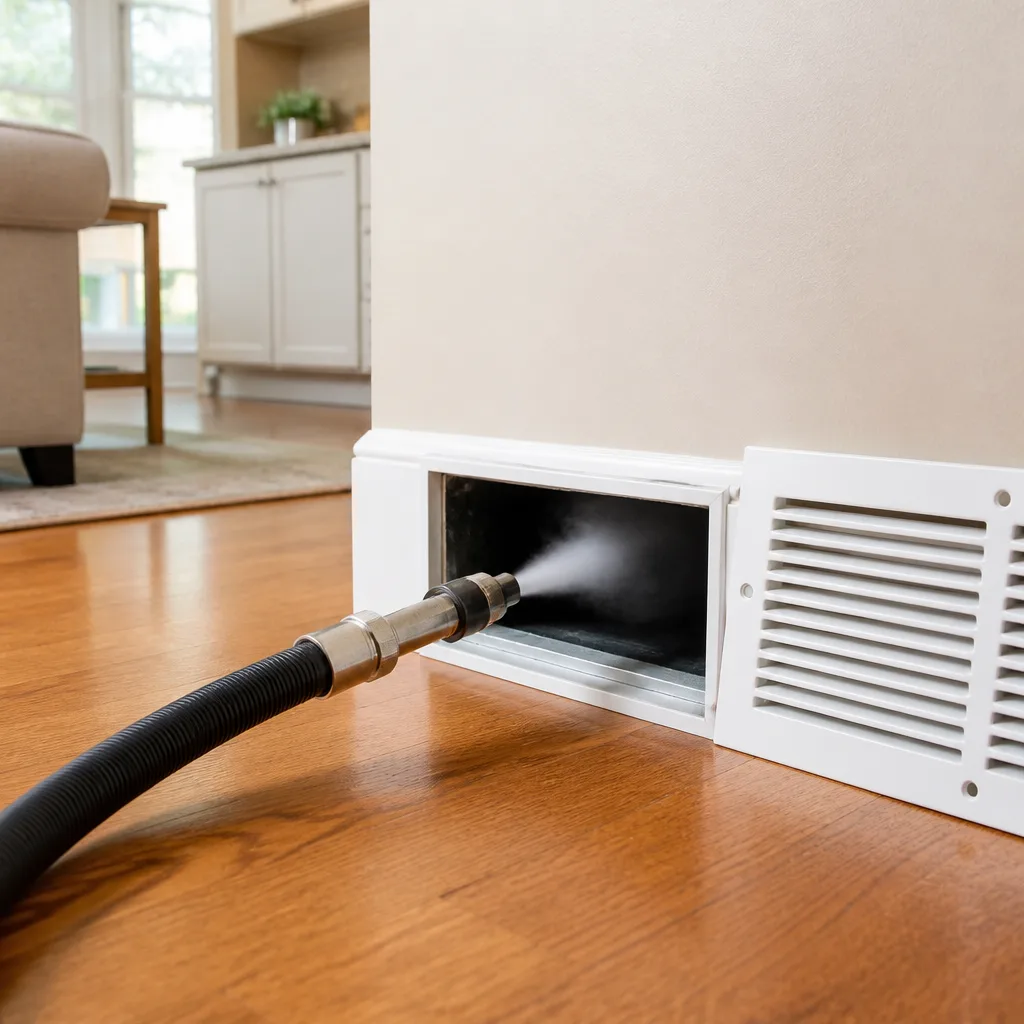 Sanitizing & deodorizing
Whole-system duct and dryer vent check with before-and-after photos - you see exactly what came out of your vents
That "$99 whole-house special" is a bait ad - the real number appears once they are in your hallway, or the "clean" is a shop-vac at the register. We photograph the inside of your ducts before and after instead.
Air Duct Cleaning Warning Signs: A Lakewood Homeowner’s Reference Guide
A musty smell when the furnace kicks on is rarely just dust. It’s data. In our experience across Lakewood, the smell a system gives off, the way rooms heat unevenly, and how fast a filter loads up are behavioral signals that point to specific conditions inside the duct network. Misread them and you get the wrong fix: a surface cleaning when the real problem is a leak, or a leak repair when the actual issue is contamination. This guide teaches you to read those signals like a diagnostician instead of guessing. We’ll cover the three odor categories, the visual clues most homeowners walk past, the HVAC performance patterns that scream “ducts,” and the Lakewood-specific triggers that speed up the whole timeline.
Quick Answer
The main air duct warning signs are a recurring musty, sharp, or stale odor when the HVAC runs, uneven room temperatures, filters that clog much faster than usual, visible dark staining or rust at the registers, and flex duct that sags in basements or crawl spaces. In Lakewood, these signs show up faster in homes with crawl spaces, original 1970s sheet metal runs, and summer evaporative cooler use. Each sign points to a different root cause, which is why reading them correctly matters more than cleaning on a schedule.
Styles & brands we work with
- Whole-home duct cleaning
- Dryer vent cleaning
- Camera inspection
- Sanitizing & deodorizing
Table of Contents
- The Three Odor Profiles and What Each One Means
- Visual Warning Signs Beyond Dusty Vents
- HVAC Performance Signals That Point to Ducts
- Duct Leak vs. Contamination: Two Different Problems
- Lakewood Triggers That Speed Up the Timeline
- A Room-by-Room Inspection Walkthrough
- What Happens When You Call Us In
- Common Mistakes to Avoid
The Three Odor Profiles and What Each One Means
Odor is the most underused diagnostic tool a homeowner has. The nose picks up what the eye can’t reach. In Lakewood, we get called about smells far more than visible dust, and almost every odor falls into one of three categories. Each one requires a different first response, and treating them the same is where problems get worse.
Musty or earthy
A damp, cellar-like smell that gets stronger when the heat or air kicks on usually points to microbial growth inside the ducts or on wet components. Microbial activity needs moisture, so the real question is where the water is coming from. Common culprits are high indoor humidity, a condensing unit that isn’t draining right, or duct runs that pass through a cool crawl space where condensation forms. The first move is to stop the moisture source, not to mask the smell. A sanitizing treatment without addressing the water will be back.
Sharp or acrid
An electrical, plasticky, or burnt note is a different animal, and it deserves a fast response. That scent can come from a blower motor overheating, wiring, or a pest that has gotten into a run. Don’t ignore it or cover it with air freshener. If the smell is sharp and sudden, shut the system off and have it looked at. Pest-related odors (an animal that has died in a duct or near the air handler) are a contamination and abatement job, not a routine cleaning.
Stale or dusty
The most common profile, and the least urgent. A stale, gray smell that fades once air has been moving usually means accumulated debris on duct walls and registers, plus a filter that’s past its useful life. This is where routine cleaning pays off. But stale also shows up in homes with a leak, because a leak pulls attic or crawl space air into the system, and that air carries its own smell.
The takeaway: match your response to the odor type. Musty means find the water. Sharp means stop and diagnose immediately. Stale means clean, then check for leaks so you’re not cleaning the same debris back in.
Visual Warning Signs Beyond Dusty Vents
Dusty registers are the sign everyone notices and the least useful. By the time dust is visible on the grille, it’s been building inside for a while. The clues that actually tell you something are the ones around the edges and inside the structure.
- Dark staining around register edges. A sooty halo creeping onto the drywall or ceiling around a vent usually means air is escaping at the boot. That’s a leak, and it’s pulling attic or wall-cavity air into your supply.
- Rust on metal boot connections. The metal collar where the duct meets the register can corrode. Rust points to condensation, which points to a moisture problem you want to trace before mold sets in.
- Sagging flex duct in basements or crawl spaces. Flex runs that droop or collapse restrict airflow and collect debris at the low point. A sagging run is a performance problem and a contamination trap.
- Discolored tape or mastic at joints. Old duct tape that’s peeling or lifting is a leak waiting to widen, and joints that were never sealed properly are common in homes remodeled over the years.
- Visible debris pushing past the grille. Debris or insulation fibers collecting at the face of a register suggest the run itself is dirty or deteriorating.
None of these require a ladder and a flashlight to spot. Walk the house, look at the ceiling and floor vents, and note what’s happening at the edges. What you’re checking for is whether the system is breathing air it should be, or air from places it shouldn’t. That’s the diagnostic distinction that separates a cleaning from a Lakewood Air Duct Cleaning Experts assessment.
HVAC Performance Signals That Point to Ducts
When a system underperforms, most homeowners assume the equipment is aging out. Sometimes it is. But three performance patterns almost always point to the ducts, and they’re easy to track without any tools.
- Uneven room temperatures. If the room over the garage is always five degrees cooler, or the back bedroom never catches up, that’s a distribution problem. Leaky or undersized runs deliver less conditioned air to the far end of the system. The furnace is fine, the air just can’t get there.
- Filter loading rate. Note how long a filter lasts before it’s visibly loaded. If you’re swapping filters far more often than you used to, the system is pulling in debris faster. That means either a leak admitting dirty air or a duct interior shedding material. Either way, the filter is doing work the ducts should be doing.
- Short-cycling and pressure swings. When a system turns on and off in short bursts, or the blower sounds labored, restricted or leaking ducts can be the cause. Resistance in the network makes the system work harder, which shows up as shorter, more frequent cycles.
Track these for a couple of weeks. A single cold room is an annoyance; a cold room plus a filter that loads in half the time it used to is a pattern. In our experience, that combination is one of the clearest signals that a HVAC cleaning and a duct inspection are worth scheduling before you consider equipment replacement. Many homeowners in Lakewood have replaced a furnace only to find the real problem was the duct network the whole time.
Duct Leak vs. Contamination: Two Different Problems
Here’s where a lot of money gets wasted. Duct leaks and duct contamination share symptoms: uneven airflow, higher energy use, dust, and odor. But they need completely different fixes, and cleaning one won’t solve the other.
A contamination problem is what’s inside the duct walls. Debris, dust, microbial growth, pest material, and accumulated buildup. The symptom set is dusty registers, a stale or musty odor, and filters that load fast. The fix is mechanical cleaning that agitates and extracts the material, followed by sanitizing where growth is present. If the system is sealed and moving air correctly, cleaning solves it.
A leak problem is what’s happening at the joints and seams. Unsealed connections pull unconditioned air from attics, crawl spaces, and wall cavities into the system. The symptom set is uneven room temperatures, dark staining at register edges, and a filter that clogs constantly because it’s catching debris from outside the system. Cleaning a leaking system is temporary. The fix is sealing, which is why duct repair and sealing matters: it addresses the root cause instead of the surface layer.
Most older Lakewood homes have some of each. A system can leak at the boot and grow microbial material in a damp run at the same time. That’s why a proper assessment checks both before recommending anything. We treat the duct system, not just the surface, and that means finding out which problem you actually have before a single piece of equipment comes out of the vehicle.
Lakewood Triggers That Speed Up the Timeline
Warning signs don’t appear on a fixed schedule. In Lakewood, three local factors accelerate the timeline, and we’ve seen each one push a “someday” problem into “this year.”
- Homes with crawl spaces. Duct runs that pass through a crawl space sit in cool, humid air for much of the year. That’s a perfect setup for condensation on uninsulated runs, which feeds microbial growth and corrodes metal boots faster than ducts inside conditioned space.
- Original 1970s sheet metal runs. Many Lakewood neighborhoods were built with sheet metal ductwork that has now been in service for decades. Sheet metal is durable, but the joints and connections were often sealed with methods that have since degraded. Those homes are leak candidates first, contamination candidates second.
- Summer evaporative cooler use. Swamp coolers add moisture to the air they deliver. If a home runs one through summer and the duct system doesn’t dry out well, that added humidity raises the risk of growth inside the runs. Homes that switch between evaporative cooling and a standard HVAC system need to be watched more closely for the musty odor profile.
None of this means every Lakewood home is in trouble. It means the timeline for the warning signs above is shorter here than in a dry, sealed, modern build. If your home fits one or more of these, treat the signs as more urgent, not less. The same triggers apply to dryer vent cleaning in these homes, where lint plus moisture is an even bigger risk.
A Room-by-Room Inspection Walkthrough
You can map your own warning signs in one afternoon. This is a diagnostic pass, not a repair. It tells you what to report when you call, which makes the assessment faster and more accurate.
- Start at the air handler or furnace. Check the filter and note its condition and how long it’s been in. Smell the air at the return. Any odor profile you notice here tells the story for the whole system.
- Walk the return grilles. Look at the edges for staining and dust trails. A return that’s pulling from a wall cavity will show it.
- Check every supply register, room by room. Note staining, rust, and debris at the face. Feel for airflow with everything else off, and listen for a whistle, which can mean a restricted or leaky connection.
- Track temperature in the hardest-to-heat room. Compare it against the room with the thermostat. A gap is a distribution clue.
- Look at exposed runs in the basement or crawl space. Note sagging flex, peeling tape, and any moisture or rust. If you can’t safely access a crawl space, leave it and describe it to us instead.
- Write down the three things that bothered you most. Odor, uneven temperature, filter life. That short list is the most useful diagnostic tool you can bring to the call.
What Happens When You Call Us In
A proper assessment starts with diagnosis. We look at what your signs are telling us and confirm which problem you have, rather than assuming. On-site, we use Rotobrush rotary-brush extraction to mechanically agitate duct walls, and Nikro HEPA extraction to capture dislodged debris at the source, which keeps the material from recirculating into your living space during the work. Those are the same systems used in restoration and commercial work, not lightweight rental units.
Where contamination is present, Abatement Technologies filtration units on-site reflect a contaminant-control standard drawn from professional remediation practice. Guardsman products are part of our service offering as a protective layer beyond basic mechanical cleaning. Where filtration is missing or inadequate, we supply and install Honeywell and Aprilaire air quality equipment, so the cleaning and the upgrade happen in the same visit instead of across two contractors. And where the assessment finds a leak, we handle correction through duct repair and sealing rather than cleaning over a problem that will return. One crew, the full job, from cleaning to sealing. Our technicians have up to 11 years of experience, and they’ll walk you through what the signs were telling us before work begins.
Common Mistakes to Avoid
- Treating every odor the same. A musty smell and a sharp smell need completely different responses. Masking either with an air freshener hides the diagnostic data you actually need.
- Cleaning a leaking system. If your filter clogs fast and rooms are uneven, a cleaning alone won’t fix it. A leak will re-contaminate the system, and you’ll be back where you started.
- Assuming the equipment is the problem. A cold room or short cycles often lead to a furnace replacement when the real issue is the duct network. Diagnose the ducts before you price a system.
- Ignoring crawl space signs. In Lakewood, a wet crawl space and a corroded boot are early warnings. Waiting until there’s visible staining on the ceiling above the register gives a moisture problem more time than it needs.
- Skipping the filter log. How fast your filter loads is one of the best signals you have. Noting it takes a few seconds and makes diagnosis far sharper.
- Hiring on a low headline price. Duct work is not a single item that gets a per-unit price. Ask what’s included, what equipment is used, and whether the assessment covers leaks as well as cleaning.
- Waiting for visible dust only. Dusty vents are the last sign, not the first. The earlier signals are odor, temperature gaps, and filter life. Read them first.
See the difference
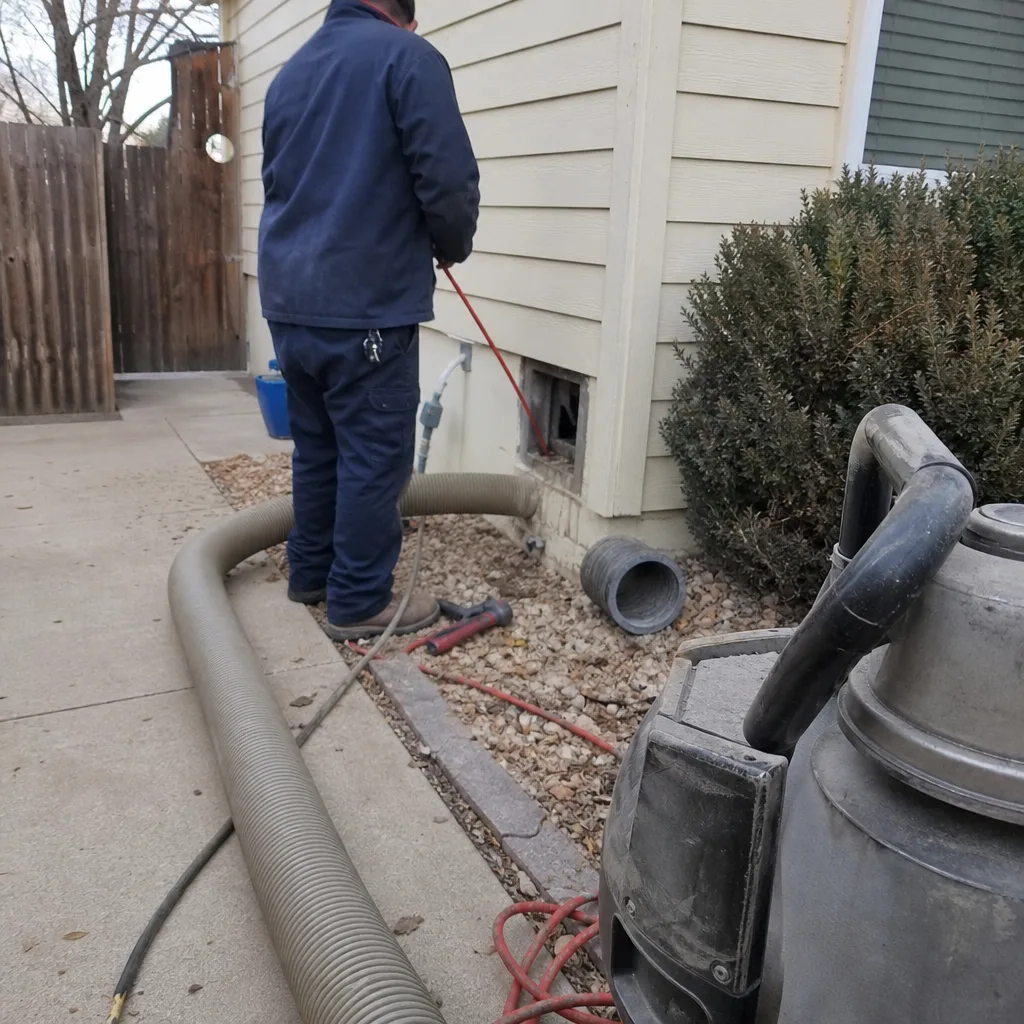 Before
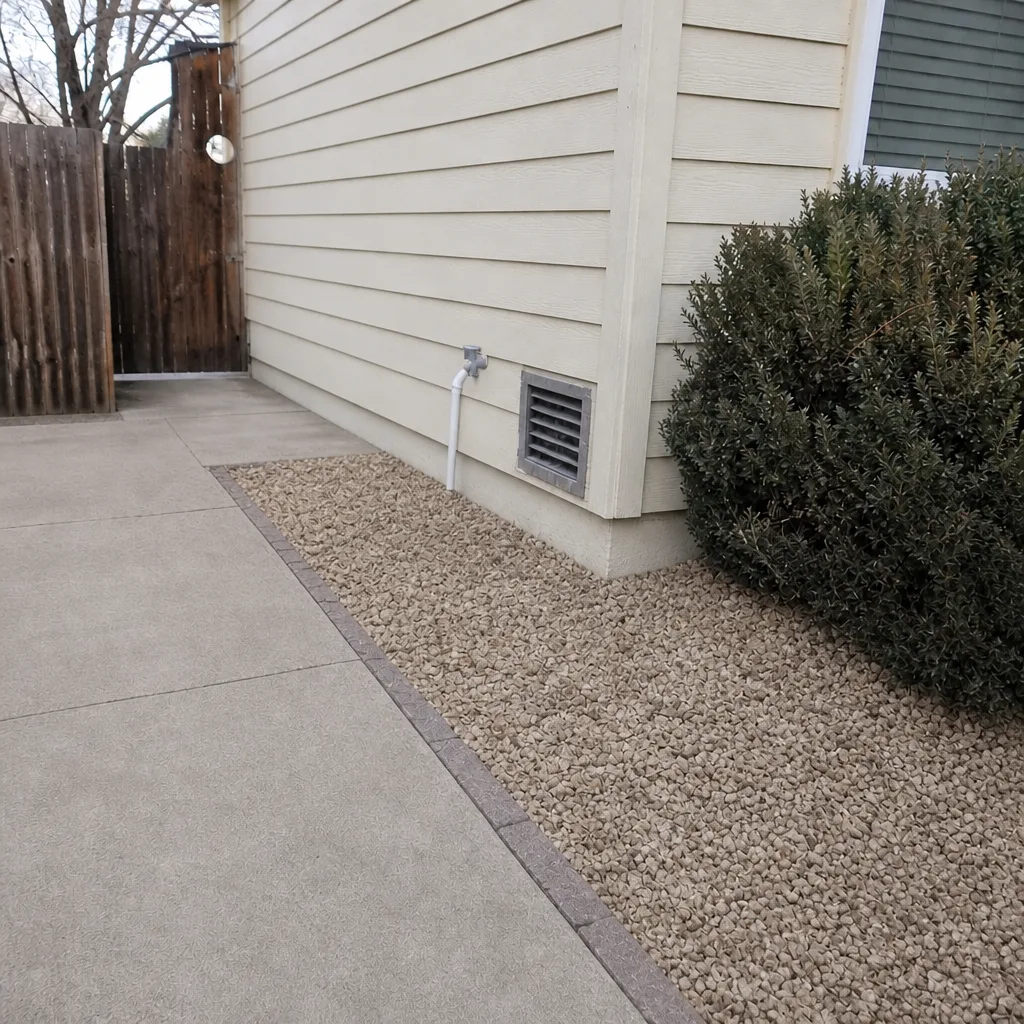 After
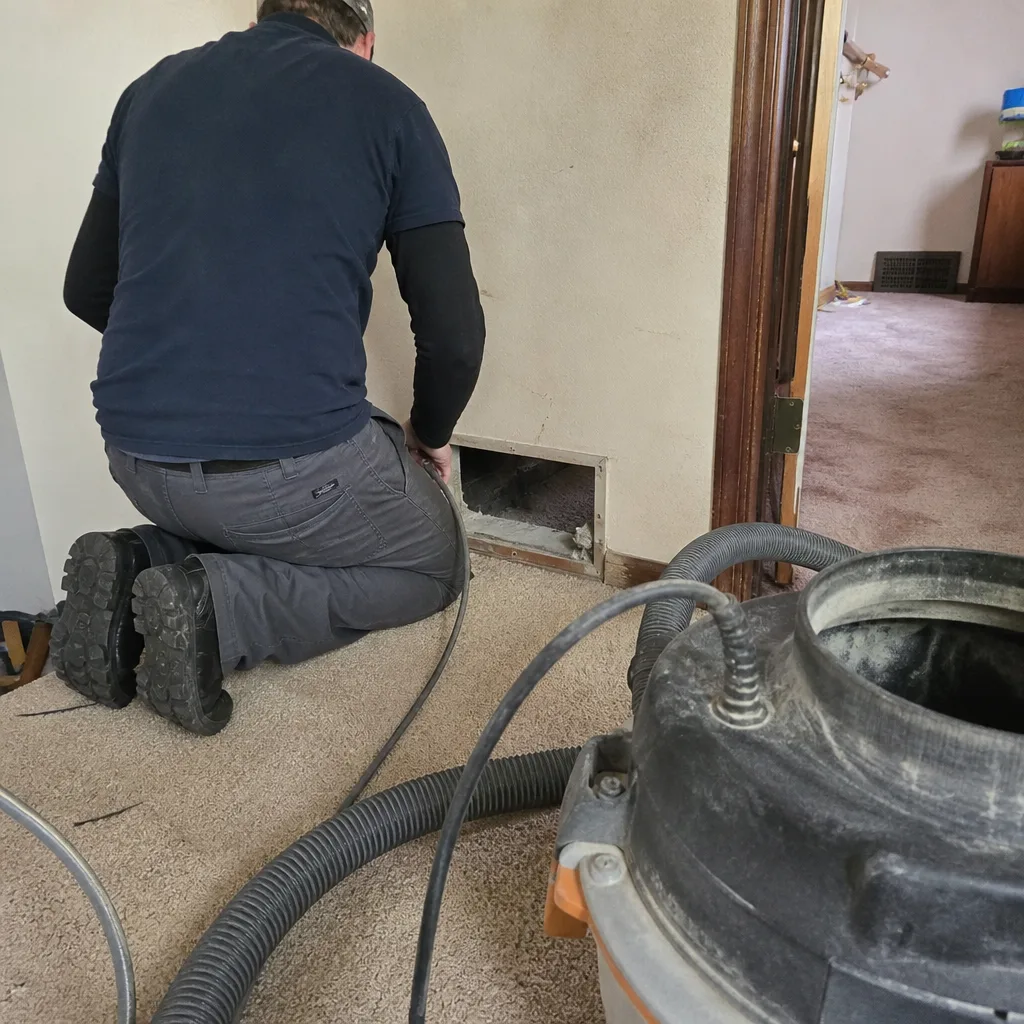 Before
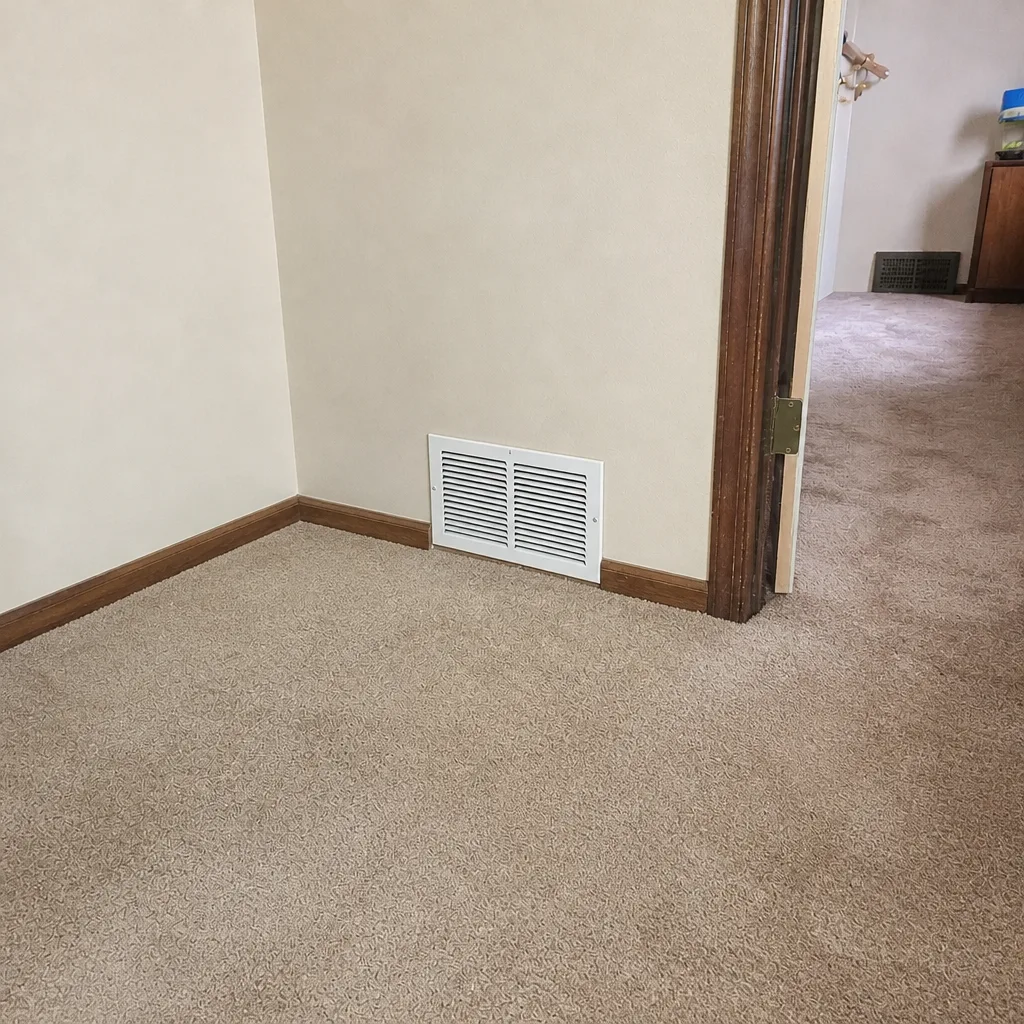 After
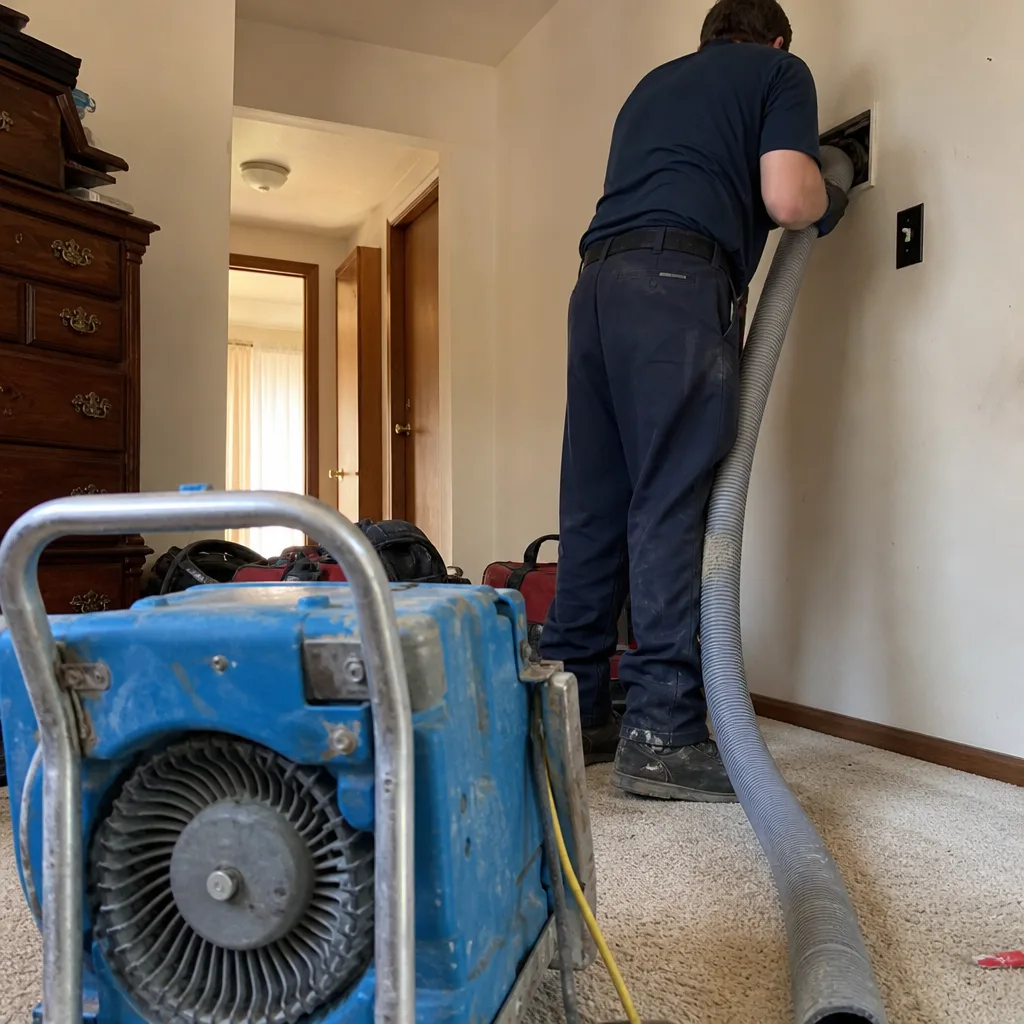 Before
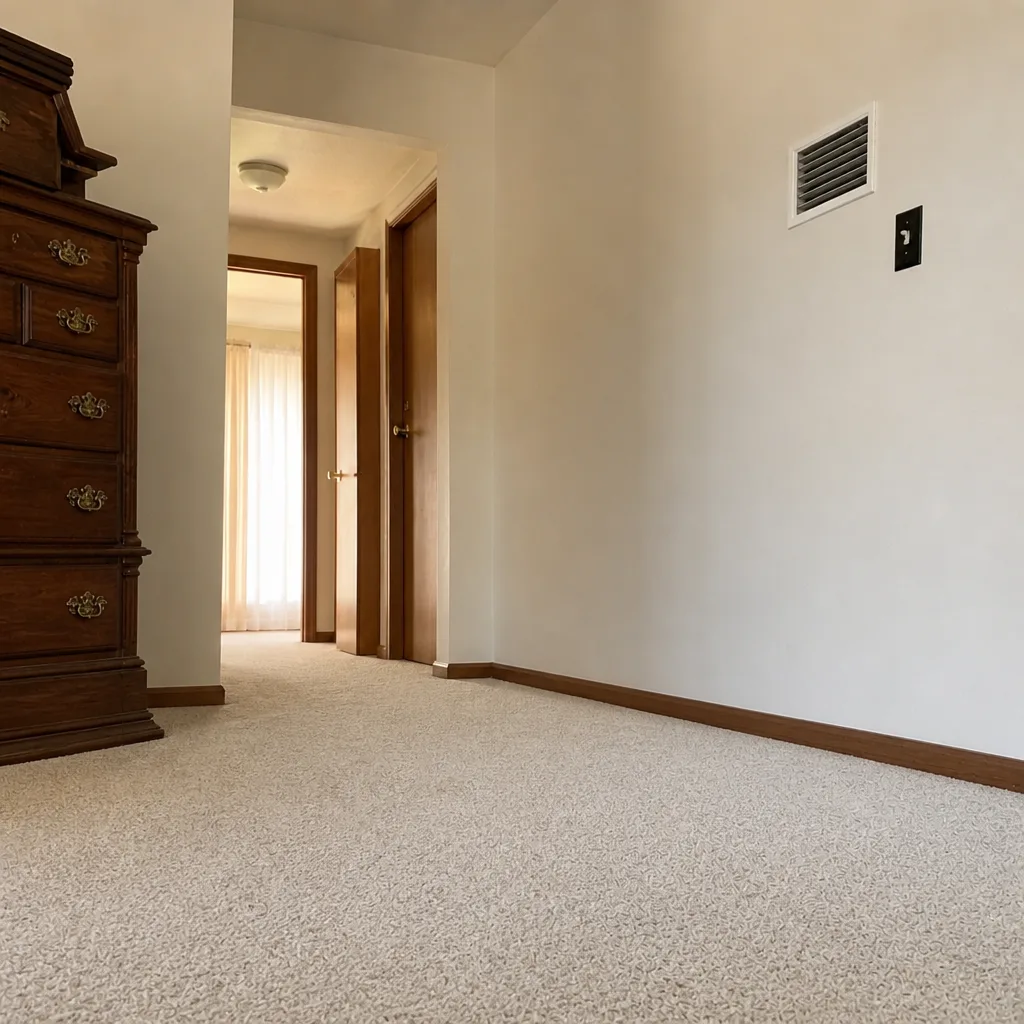 After
When to Call a Professional
Call us when a sharp or acrid odor appears suddenly with the system running, when a musty smell won’t go away after you’ve ruled out obvious moisture, or when the same sign persists after a cleaning. Call if filter life keeps dropping, if rooms stay uneven, or if you see rust or sagging runs you can’t safely check. Call if you’re in a crawl space home, a 1970s sheet metal home, or a home running evaporative cooling in summer and you’re noticing any of these. Fast dispatch from 7am to 7pm, Sunday through Friday, and we answer 24/7. Lakewood Air Duct Cleaning Experts offers free estimates in Lakewood. Call (844) 759-1418 to schedule an assessment.
Frequently Asked Questions
The first reliable sign is usually an odor rather than visible dust: a stale or musty smell when the HVAC runs. Visible dust on registers typically appears later, after buildup has been accumulating inside the runs for a while. Pair that smell with a filter that loads faster than it used to and you have a strong signal. Call (844) 759-1418 for a free estimate if you’re seeing both.
A leak shows up as uneven room temperatures, dark staining at register edges, and fast filter loading, because the system is pulling air from outside the duct network. Contamination shows up as odor, dusty registers, and buildup inside the walls. They share symptoms but need different fixes, and a sealing job won’t clean a contaminated run. An assessment checks both before recommending anything, and estimates are free. Call (844) 759-1418.
Yes. Microbial activity can grow on damp sections of the duct or on wet components in a crawl space or air handler, and it won’t show at the register. The musty smell is the signal, not the dust. Finding the moisture source comes first, then sanitizing. Call (844) 759-1418 for a free estimate and we’ll trace it.
Crawl space runs, older 1970s sheet metal ductwork, and summer evaporative cooler use all accelerate the timeline. Those factors add moisture and leak pathways that speed up accumulation and growth. Homes with more than one of these need to treat the warning signs more urgently. Estimates are free, so call (844) 759-1418 to have yours checked.
No. We’re closed Saturday. We’re open Sunday through Friday, 7am to 7pm. If a call comes in during dispatch hours, we schedule it into the next opening. Call (844) 759-1418.
We use Rotobrush rotary-brush extraction and Nikro HEPA systems to agitate and capture debris at the source, and Abatement Technologies filtration on-site for contaminant control. We also supply and install Honeywell and Aprilaire air quality equipment where filtration upgrades make sense. Estimates are free. Call (844) 759-1418.
The Bottom Line
Air duct warning signs are diagnostic data, not vague discomfort. The odor profile tells you whether you’re facing moisture, a pest or electrical issue, or ordinary debris. The performance signals, like uneven rooms and fast filter loading, tell you whether the problem lives in the ducts or in the equipment. Your Lakewood crawl space, 1970s sheet metal runs, and evaporative cooler use all shorten the timeline, so read the signs early and read them together. Match the fix to the actual problem, cleaning for contamination and sealing for leaks, and don’t confuse the two. If any of these signals fits your home, call us for a free assessment.
Call Lakewood Air Duct Cleaning Experts at (844) 759-1418 for a free estimate. We answer 24/7. Fast dispatch from 7am to 7pm, Sunday through Friday. One flat price per system agreed before work starts, before-and-after photos of your own ducts, and a satisfaction guarantee.
Written by the team at Lakewood Air Duct Cleaning Experts.