
Last updated November 23, 2026
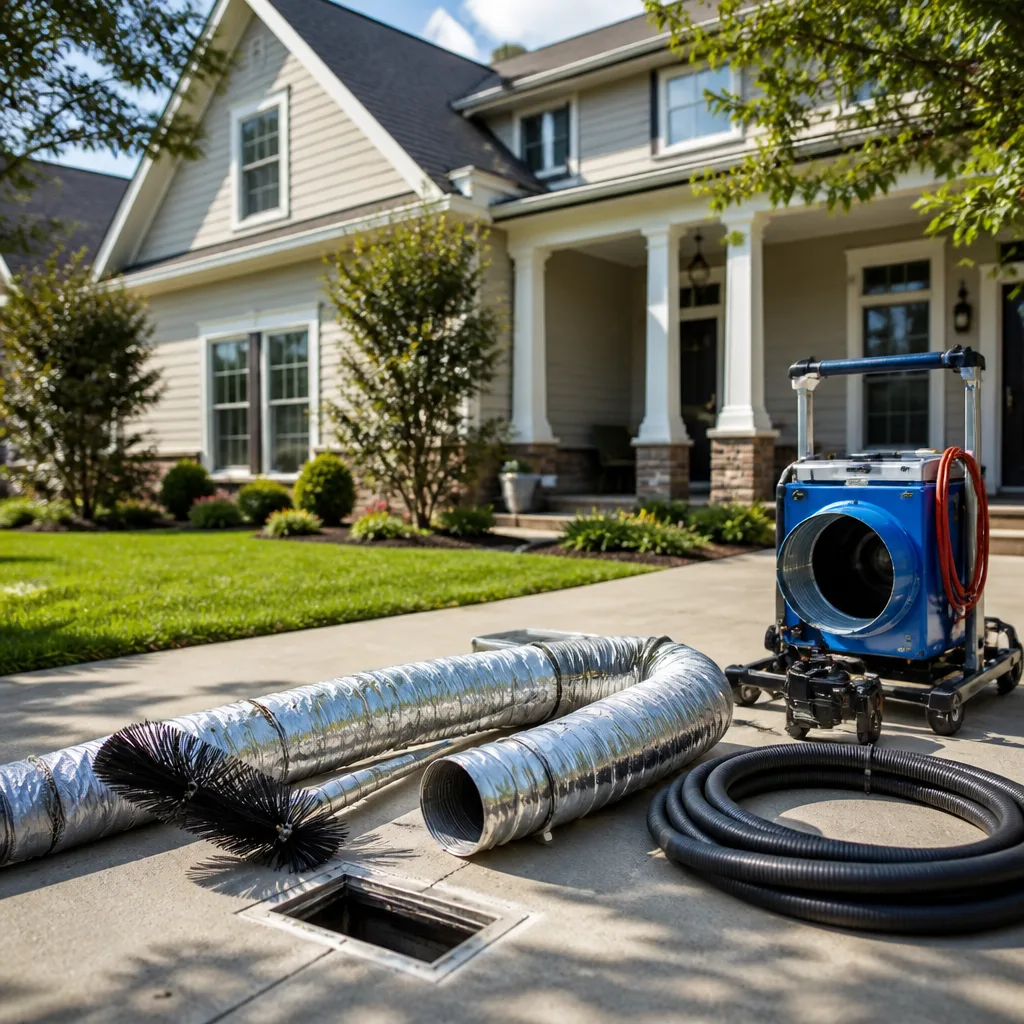 Whole-home duct cleaning
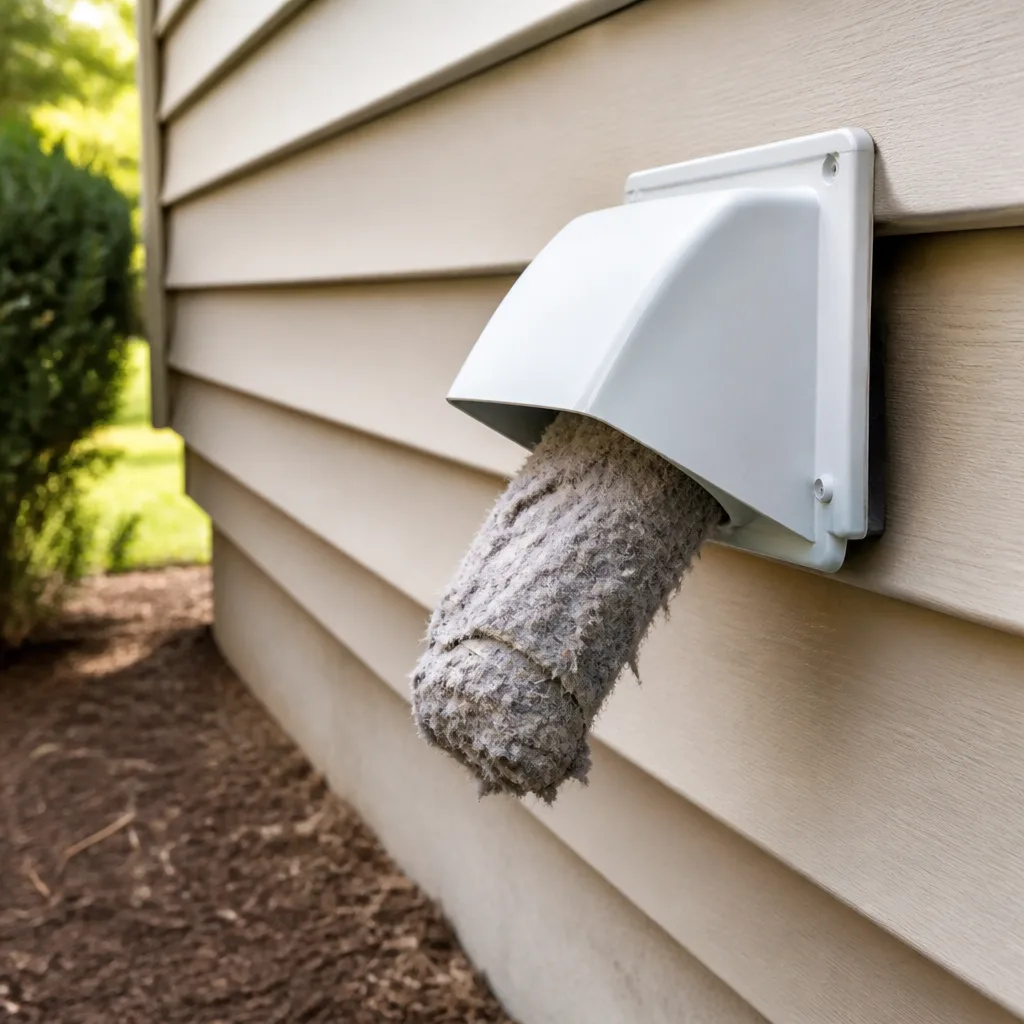 Dryer vent cleaning
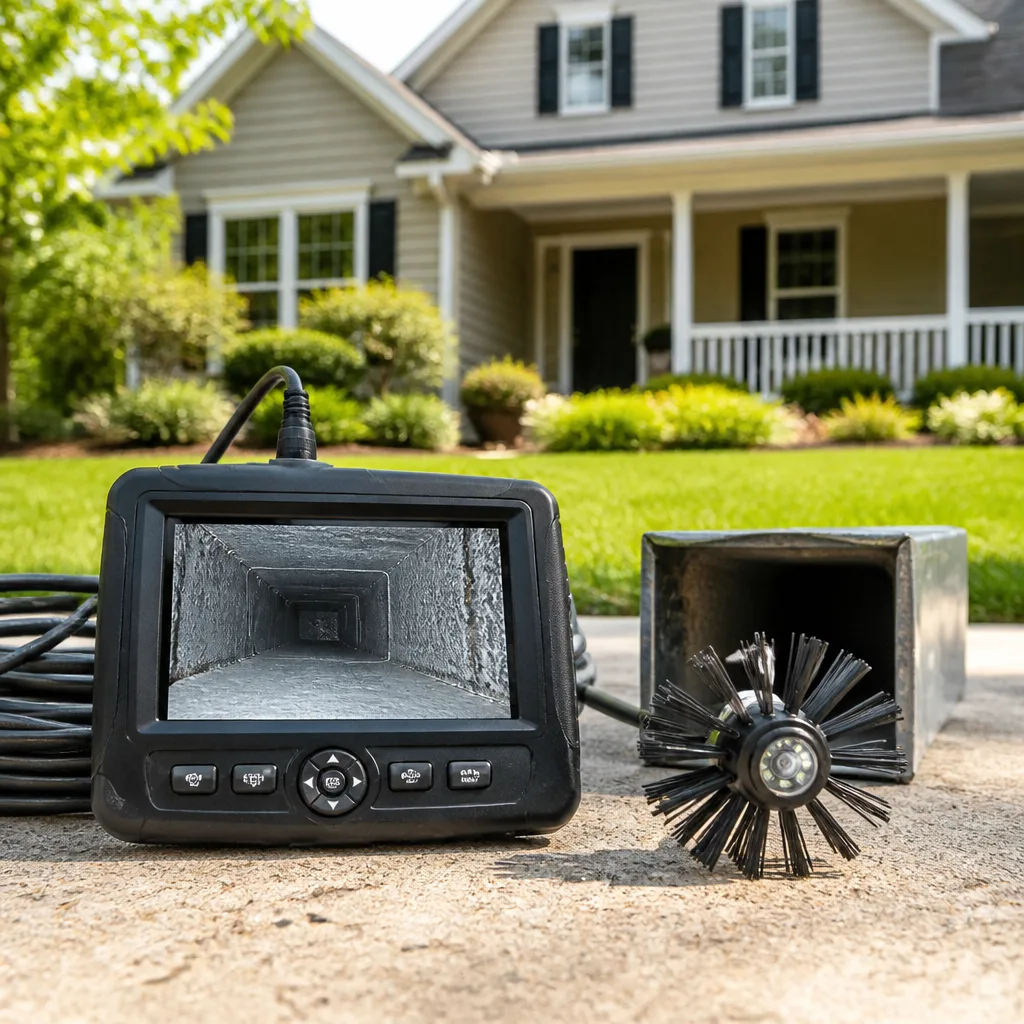 Camera inspection
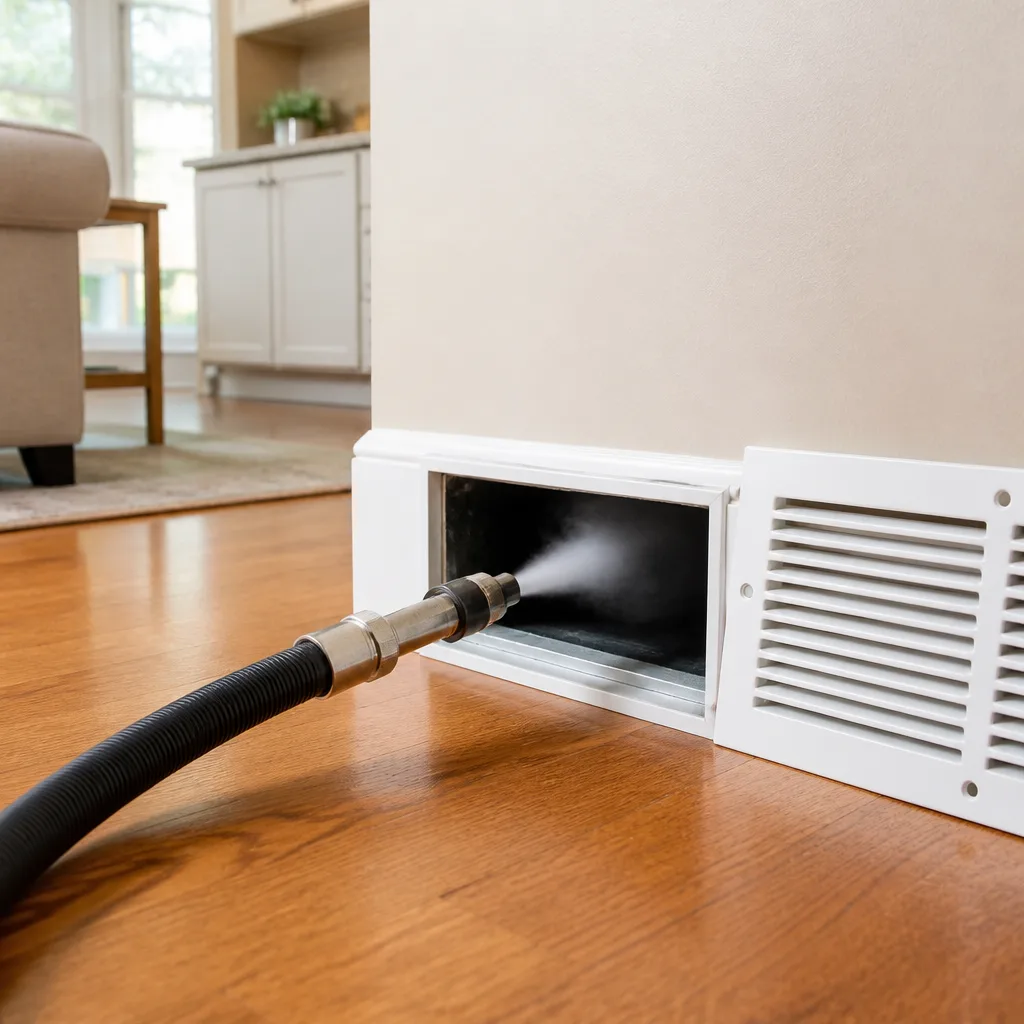 Sanitizing & deodorizing
Whole-system duct and dryer vent check with before-and-after photos - you see exactly what came out of your vents
That "$99 whole-house special" is a bait ad - the real number appears once they are in your hallway, or the "clean" is a shop-vac at the register. We photograph the inside of your ducts before and after instead.
Air Duct Cleaning Maintenance Checklist for Lakewood Homeowners
Replacing your filter on schedule while ignoring the register covers, the blower compartment, and the return air plenum is like changing your oil but never checking for a coolant leak. The calendar looks right. The system is still failing. Most duct problems in Lakewood don’t announce themselves with a single dramatic symptom. They build quietly, in layers you can only see if you know where to look, and by the time airflow drops or odors show up the buildup has usually been there for seasons. This guide gives you a maintenance checklist built around what you can actually observe in your own home: grilles, filters, plenums, and the events that push contamination faster than normal.
Quick Answer
A duct maintenance checklist for a Lakewood home is a monthly visual walk-through of registers and the air handler, a filter-change log that tracks how fast filters load, an annual hands-on pass covering the blower compartment and dryer vent, and a set of event-triggered checks after wildfire smoke, renovation, pest activity, or a switch to central AC. You inspect and log; a professional handles anything behind sealed ductwork.
Styles & brands we work with
- Whole-home duct cleaning
- Dryer vent cleaning
- Camera inspection
- Sanitizing & deodorizing
Table of Contents
- The Monthly Walk-Through: What to Look At
- Tracking Filter Loading Rate as a Contamination Signal
- Event-Triggered Checks for Lakewood Homes
- Annual Tasks You Can Handle Yourself
- Logging Findings So a Contractor Isn’t Starting Blind
- How Front Range Seasons Change the Schedule
- What a Professional Checklist Covers That Yours Can’t
- Common Mistakes to Avoid
The Monthly Walk-Through: What to Look At
Ten minutes a month is enough to catch accelerating buildup before it becomes a bigger job. The point isn’t to clean anything. It’s to notice change. You’re looking for the early layers that tell you something upstream is different.
Walk your home in the same order every time so differences stand out:
- Register grilles. Look at the supply registers with a flashlight at an angle. A fine even dust film is normal. A dark, felt-like edge along the fins, or dust that clumps and hangs, means damp or oily debris is collecting and the duct behind it is likely worse.
- Return air grilles. Returns pull harder than supplies and filter more dust against the grille face. A return that looks visibly darker than the others points to a specific branch of ductwork accumulating faster.
- Around the air handler. Check the cabinet seams, the filter slot, and the floor beneath the unit. Rust streaks, water stains, or a fine dust drift on the cabinet top are signals of moisture or air bypass at a sealed joint.
- Ceiling and wall around registers. Ghosting (a faint shadow outline of the grille on drywall) suggests air leaking around the boot rather than through the duct.
- Smell test. Stand near three or four registers right at startup after the system has sat idle. A musty or stale note that fades after a minute is a duct-side signal. A sharp smell that stays is an equipment or filter issue.
Photograph anything unusual with your phone. Those photos become your log, and they give a technician a real starting point if you later book air duct cleaning.
Tracking Filter Loading Rate as a Contamination Signal
Your filter is a sampling device for the whole system. If a filter that used to last three months now clogs in six weeks, something upstream changed. That’s the single most useful diagnostic you can track without tools.
Write down the date you install each filter and the date you pull it. Note one thing about its condition: light, moderate, or heavy loading, and whether the loading is uniform or concentrated on one side. Uniform gray is ordinary. A filter that loads heavily on one half or shows a dark streak tells you where bypass air is coming from.
What different loading rates usually mean:
- Faster loading on a MERV 13 filter after you upgraded. The filter is doing its job, catching more, which means the duct system is carrying more than before and may need attention.
- Faster loading with an unchanged filter. Something introduced debris: renovation dust, pest activity, or a return duct that pulled a joint loose.
- Loading that slows down suddenly. Often a dirty filter was left in too long and the media collapsed, or air is bypassing around the filter frame entirely.
- Uneven loading left to right. Uneven airflow, a crushed flex duct, or a return that’s pulling from an unintended gap.
Keep a simple calendar note or a notebook page with dates and conditions. Six months of filter notes tells a technician more than a visual inspection of the grilles alone ever will, and it prevents the guesswork that leads to unnecessary work.
Event-Triggered Checks for Lakewood Homes
Some contamination isn’t gradual. Lakewood sits against the Front Range, and the Front Range gets weather and events that load ductwork in a single episode. A maintenance checklist without event triggers misses the biggest jumps in buildup.
Post-wildfire smoke events. Regional wildfire smoke pushes fine particulate into homes for days at a time. After a heavy smoke season, check filter loading more often and look closely at return grilles. Smoke particles are small enough to pass a basic filter and settle on duct walls, especially with the system running through a filter that was already half loaded.
Post-renovation. Drywall dust and sawdust travel straight into returns and coat every downstream surface. For any remodel that opens walls or ceilings, replace filters when the work ends and expect to replace them again within weeks. Duct cleaning after a major remodel is worth doing before the first heating season.
Post-pest activity. Rodents and insects use duct runs and the space around boots as travel paths. Signs to check for: droppings near the air handler, chewed flex duct insulation, nests at the return drop. Do not sweep this into the finish. Behind the register is exactly where a professional assessment matters.
Switching from evaporative cooling to central AC. A swamp cooler introduces a steady stream of moisture into the home. When a Lakewood house moves from evaporative to refrigerant cooling, inspect the old duct routes and the new air handler for damp debris and surface growth before the system runs through a full season.
Annual Tasks You Can Handle Yourself
There’s a real line between what a homeowner should do and what needs professional equipment. These four are on the homeowner side and don’t require a contractor:
- Blower compartment wipe-down. With power off at the breaker, remove the air handler access panel and wipe the blower housing and cabinet interior with a dry cloth. Don’t reach toward the blower wheel or spin it. Just remove the loose layer so you can see change year over year.
- Accessible plenum inspection. Look at the return plenum (the sheet metal box where air enters the air handler) for loose seams, tape lifting, or dust trails along the edges. A visible gap pulls household air and dirt into the system.
- Dryer vent confirmation. Run the dryer and confirm good outdoor exhaust at the exterior termination, then pull the vent off the back of the dryer and check for lint compaction. Dryer vent cleaning is a fire-safety task, not a cosmetic one, so if the run is long or hard to reach, a professional pass makes sense. See dryer vent cleaning for how that’s handled.
- Register covers. Remove two or three, vacuum the grille face on both sides, and look up the boot with a flashlight. This is where you’ll first notice buildup in the duct branch itself.
For the HVAC cabinet and anything past a removable access panel, stop. Coil cleaning and duct interior work involve the equipment side of the system and shouldn’t be handled with a shop vacuum. Homeowners who want the full coil and cabinet cleaned should plan HVAC cleaning as a separate task from duct cleaning.
Logging Findings So a Contractor Isn’t Starting Blind
This is the part most checklists skip, and it’s where the real value sits. Most duct work is scheduled after a vague complaint (allergies acting up, air feels weak) and the technician starts from zero. A written log changes that.
Keep it simple. One notebook or one note file, one entry per check, with four fields: date, what you observed, where in the house, and one photo. That’s it. Six months in, the log will show a pattern that no single visit can reveal.
What the log gives you:
- A baseline. If you record “registers light dust” in spring, then “registers dark film” in fall, that’s a documented change, not a memory.
- Timing evidence. If buildup started within a month of a remodel or a pest sighting, the log ties the two together.
- Filter cost tracking. A short note of filter brand, date installed, and date replaced reveals whether you’re replacing faster than you should be.
- An honest starting point for a professional. The technician sees your photos and dates and can focus on the branches your log flags, rather than running a generic pass.
When you do book a professional assessment, bring the log. It shortens the inspection and keeps the conversation on what the system actually needs.
How Front Range Seasons Change the Schedule
Duct maintenance in Lakewood isn’t a once-a-year event. The schedule shifts with the season, and the shift matters. Heating season runs long here, and heating air is dry air through the same ductwork. That means duct debris can look different in winter than in summer.
What changes with the seasons:
- Heating season. Longer runtimes push more air through the ducts. Static buildup and dry conditions make fine dust cling to duct walls. Filter loading climbs, and the return grilles show dust fastest in the rooms with the longest runs.
- Cooling season. Condensate and slightly higher humidity change what settles. If your cooling coil or drain pan has an issue, the air handler cabinet becomes the first place you’ll notice damp debris, which is why the annual cabinet wipe-down matters.
- Spring smoke and wind. The Front Range gets spring smoke events and high-wind dust days. After either, do the monthly walk-through one extra time.
- Fall shoulder season. This is the natural slot for the annual pass. Heating hasn’t started hard yet, and the system is quiet enough that a duct assessment is easier to work around.
If you keep the log across one full year, the seasonal pattern becomes visible and you can plan cleaning before the heating season rather than after the first cold-weather complaint.
What a Professional Checklist Covers That Yours Can’t
Your checklist finds the signal. A professional assessment handles what’s past the access panel: the full duct interior, the plenums, the coil, the blower, the dryer vent run, and any branch that’s hard to see. The difference isn’t just access. It’s equipment.
We approach this with professional-grade tools rather than vacuuming from the outside. Our approach uses Rotobrush rotary-brush extraction to mechanically agitate duct walls so contamination actually lifts, and Nikro HEPA systems to capture what’s dislodged without recirculating it into your rooms. On jobs where there’s real contamination, we use Abatement Technologies air filtration equipment, the same standard used in remediation work. That’s part of what separates a cleaning that changes the system from a pass that looks busy.
And cleaning is often the start, not the end. If the assessment finds gaps, crushed flex duct, or joints pulling apart, Lakewood Air Duct Cleaning Experts can handle duct repair and sealing in the same visit, addressing the root cause instead of re-cleaning the same branch every year. For homeowners adding filtration, we stock and install Honeywell and Aprilaire air quality systems, and we use Guardsman treatments where a protective layer makes sense after cleaning.
The point of the checklist on your side isn’t to replace professional work. It’s to call for it on evidence instead of on a hunch.
Common Mistakes to Avoid
- Treating a filter calendar as the whole maintenance plan. A filter change protects the equipment, not the ducts. If you never look at the register grilles or the air handler cabinet, you’re missing every signal the filter was sending.
- Vacuuming into ducts with a shop vac. Household vacuums push as much fine dust back into the air as they remove. If a register looks bad, clean the grille and call for the deep clean rather than pushing contamination further down the run.
- Ignoring a smell that fades. A musty note at startup that disappears after a minute is the classic early sign of duct-side buildup. Homeowners wait until the smell stays, which is usually seasons later.
- Skipping the post-renovation check. Drywall dust travels. If you remodeled and didn’t replace filters twice, do a register walk-through now and look at the returns first.
- Running the system through heavy smoke with a half-loaded filter. Check the filter before smoke season and replace it so it can capture during the event rather than being blocked before the event hits.
- Switching from evaporative to central AC without inspecting the ducts. The old routes have moisture history that needs a look before they get put back in service for cooling.
- Never documenting anything. A problem you can’t describe precisely is a problem a contractor has to re-discover on every visit. Photo logs change that.
See the difference
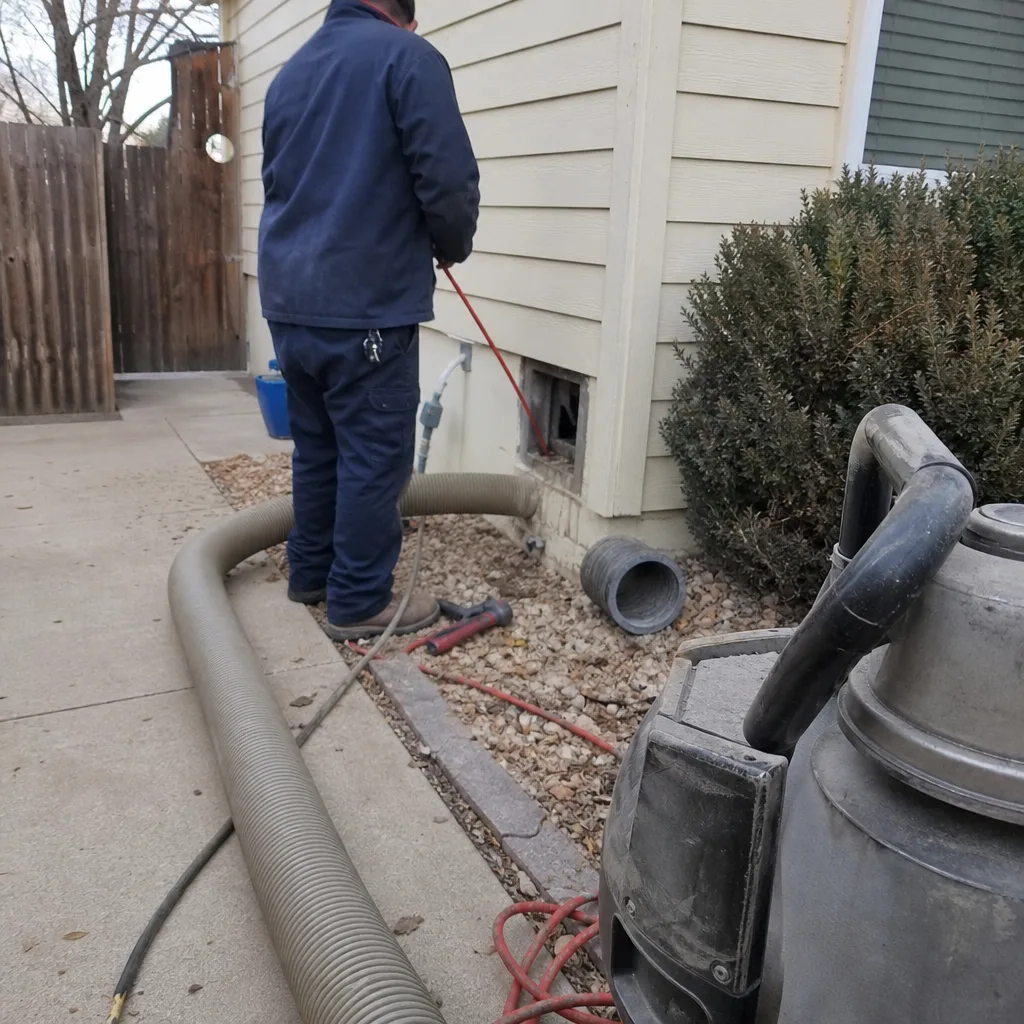 Before
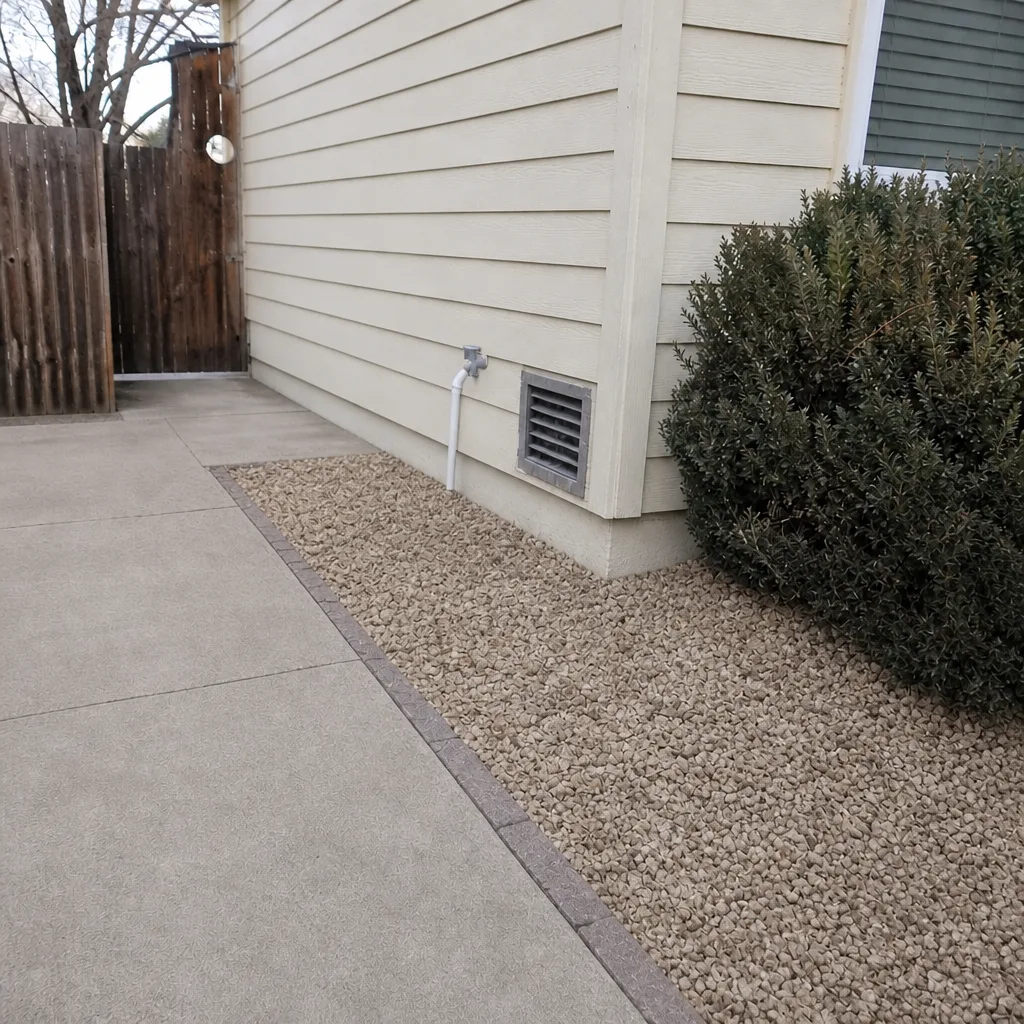 After
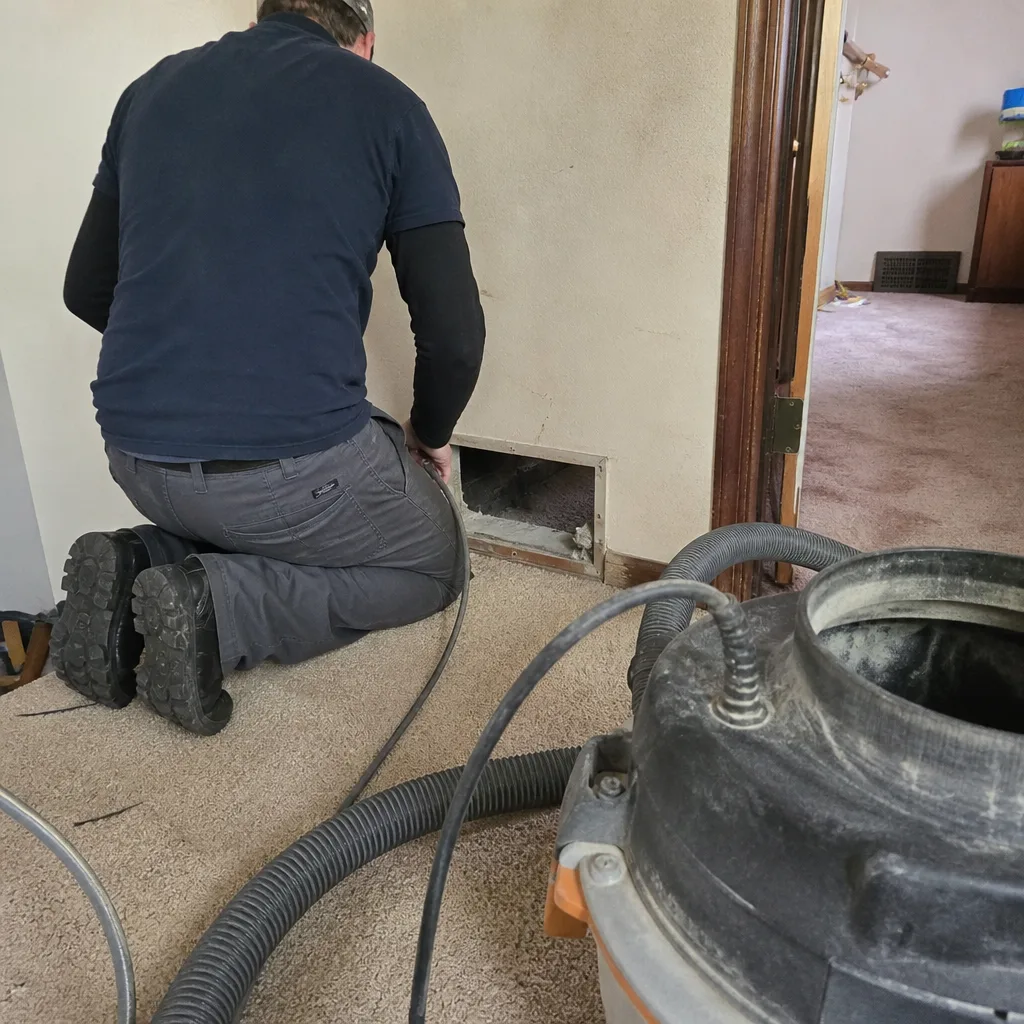 Before
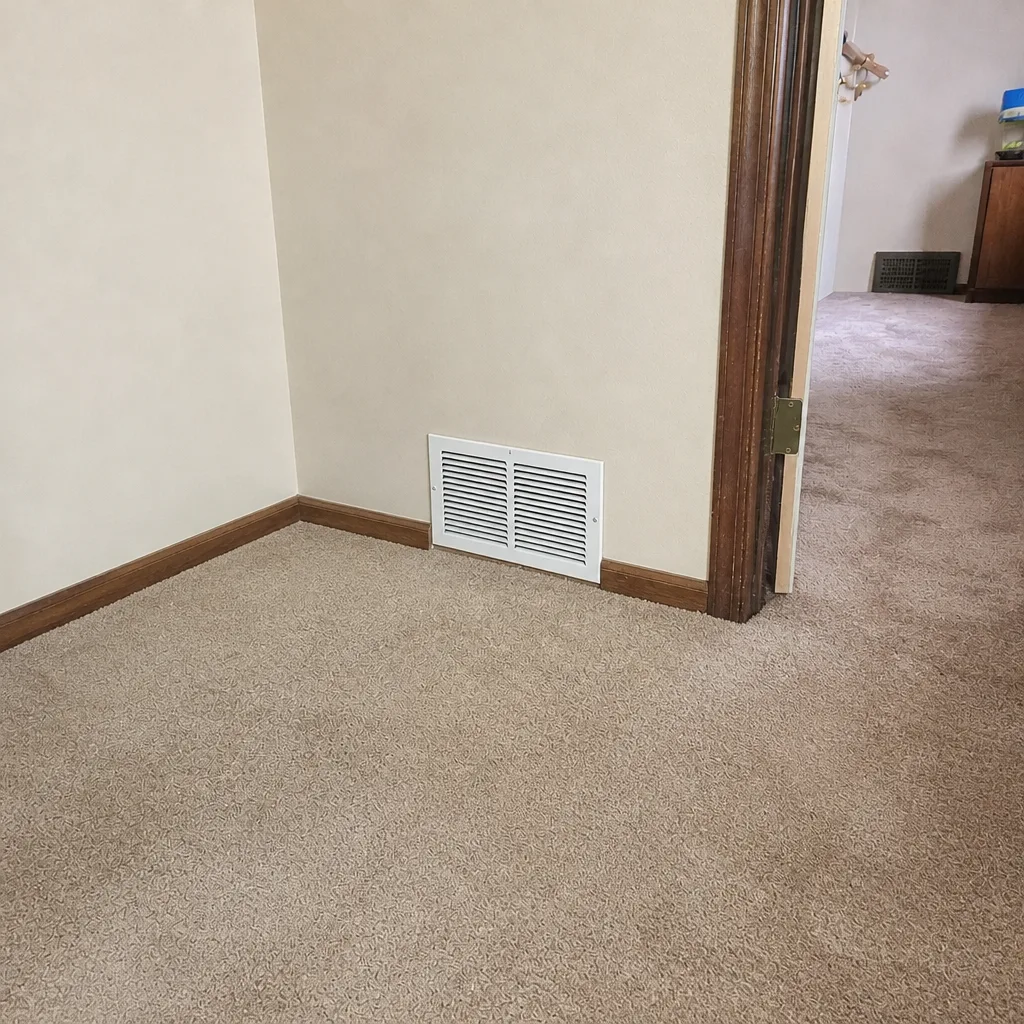 After
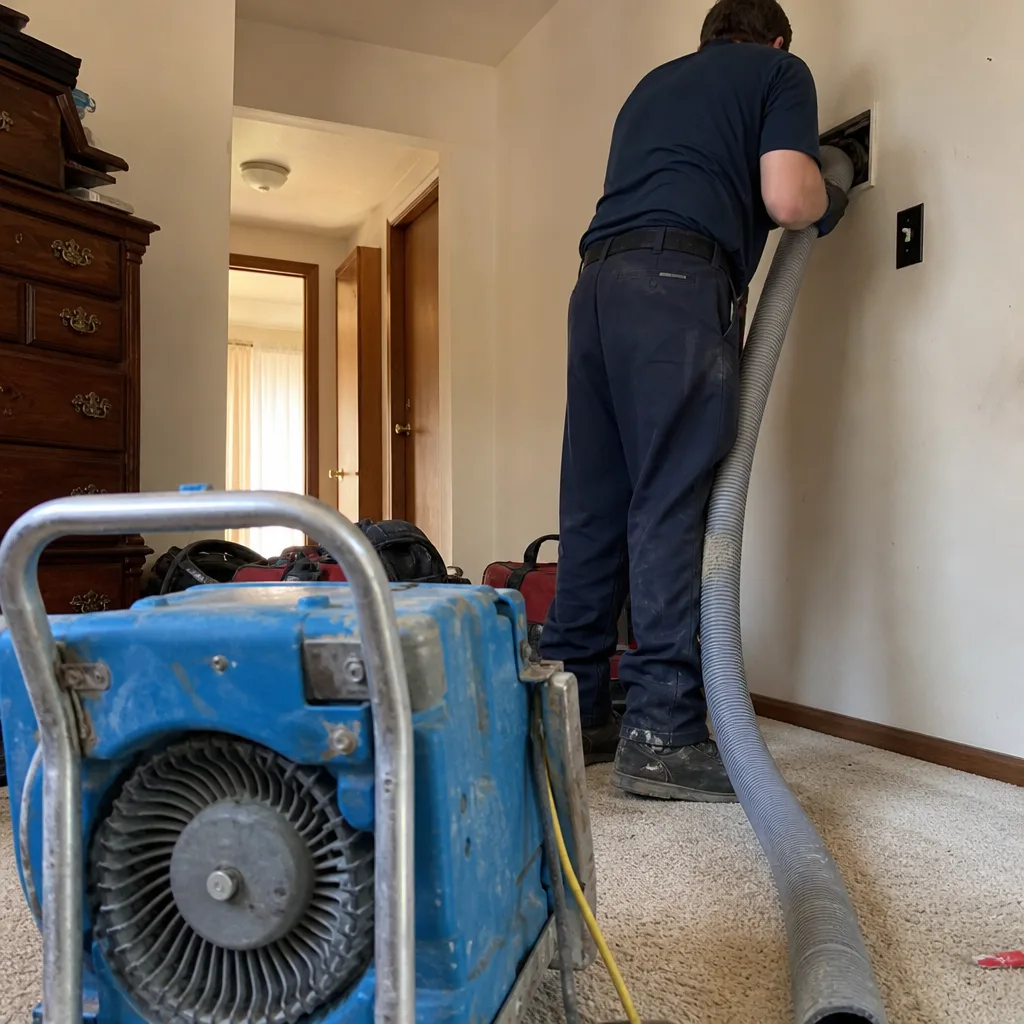 Before
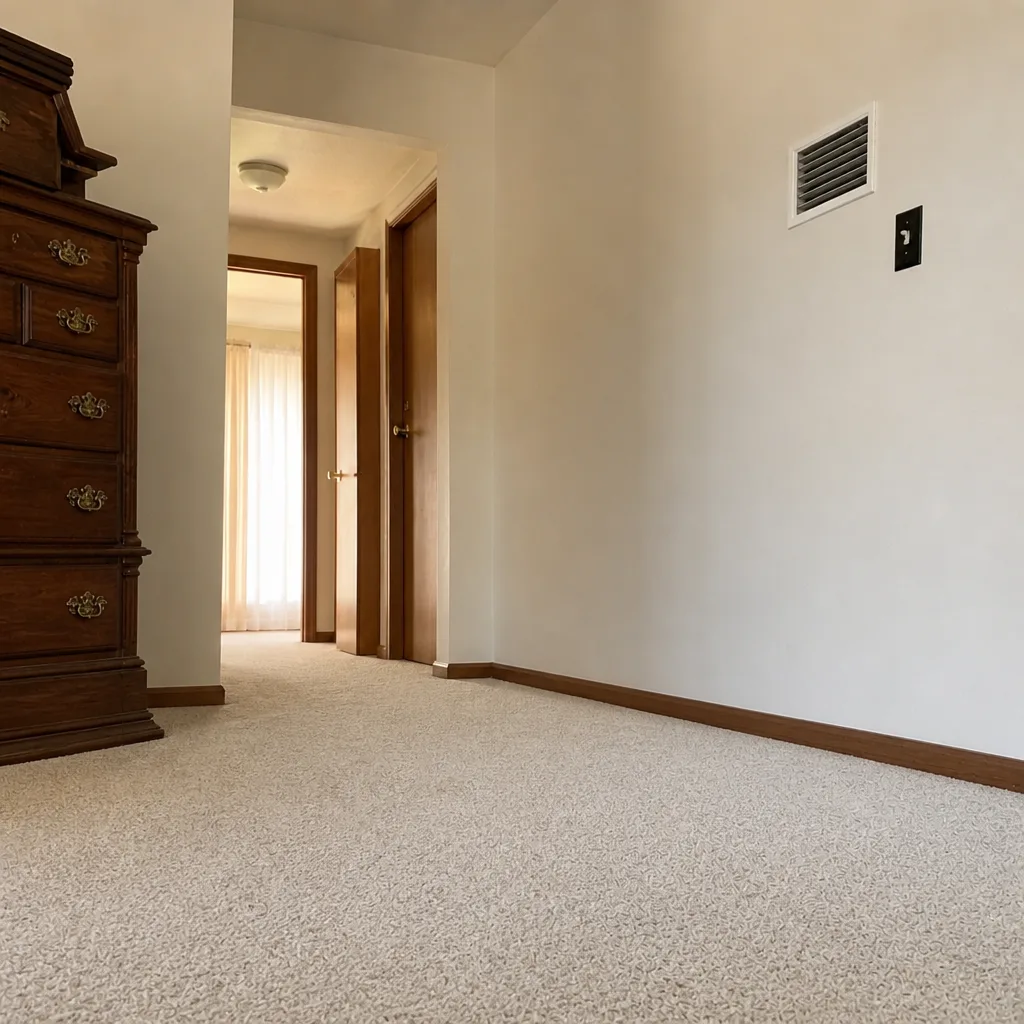 After
When to Call a Professional
Call a professional when the checklist shows change you can’t explain: filter loading that jumps without a filter change, a musty smell that doesn’t clear, visible dust trails at plenum seams, signs of pest activity in or near the air handler, or a dryer vent that won’t exhaust well. Call if you’ve just finished a major renovation, if you’ve switched from evaporative to central cooling, or if you’ve never had ductwork inspected and you can’t remember when the system was last serviced. Lakewood Air Duct Cleaning Experts offers free estimates in Lakewood. Call (844) 759-1418. We answer 24/7. Fast dispatch from 7am to 7pm, Sunday through Friday.
Frequently Asked Questions
Most Lakewood homes do well with a professional cleaning every two to three years, with a maintenance checklist run monthly on the homeowner side. Homes with pets, recent renovations, pest history, or heavy smoke exposure may need it more often, and the log you keep will tell you which category you’re in. Call (844) 759-1418 for a free estimate and a clear assessment of what your system actually needs.
Yes, in a limited way. Visible dark film on register grilles, dust trails at the air handler seams, a musty smell at startup, and filters loading faster than they used to are all homeowner-visible signals. What you can’t see is the duct interior past the boot, which is why a professional inspection follows any of those signals.
It can. Fine smoke particulate passes through an already-loaded filter and settles on duct walls, and along the Front Range a heavy smoke season can put measurable loading into ducts even with windows closed. After a significant smoke event, check filter loading sooner than usual and take a careful look at the return grilles.
Ask for before-and-after photos of your own ducts and the plenum area. Any professional-grade crew uses rotary agitation and HEPA capture, so the process is visible on camera and the change is documented. Our approach uses Rotobrush and Nikro equipment exactly so the work is verifiable. Call (844) 759-1418 for a free estimate.
Usually yes, especially if walls or ceilings were opened. Drywall dust settles on every downstream surface in the duct, and filters catch what’s in the air during the work but not what already settled. Plan the assessment after the remodel cleanup and before the first heating season.
Cleaning removes what has accumulated inside the duct; sealing closes the gaps that let contamination and conditioned air escape in the first place. A system with leaky joints will re-accumulate after cleaning, which is why duct repair and sealing is part of the same visit when a joint inspection calls for it.
The Bottom Line
The best duct maintenance checklist is the one you can actually keep. A monthly walk of the registers and the air handler, a filter log that records loading rate, an annual pass on the blower cabinet and dryer vent, and event-triggered checks after smoke, renovation, pests, or a cooling switch will tell you more about your system than any calendar alone. Write down what you see and keep the photos. When the log starts telling a story, that’s your cue to book a professional assessment. The homeowner keeps the record, the professional handles the equipment, and the ductwork gets attention on evidence rather than on memory.
Call (844) 759-1418 for a free estimate. We answer 24/7. Fast dispatch from 7am to 7pm, Sunday through Friday. Our technicians have up to 11 years of experience and work with professional-grade equipment including Rotobrush, Nikro, Abatement Technologies, and Guardsman systems.
Written by the team at Lakewood Air Duct Cleaning Experts.