
Last updated November 23, 2026
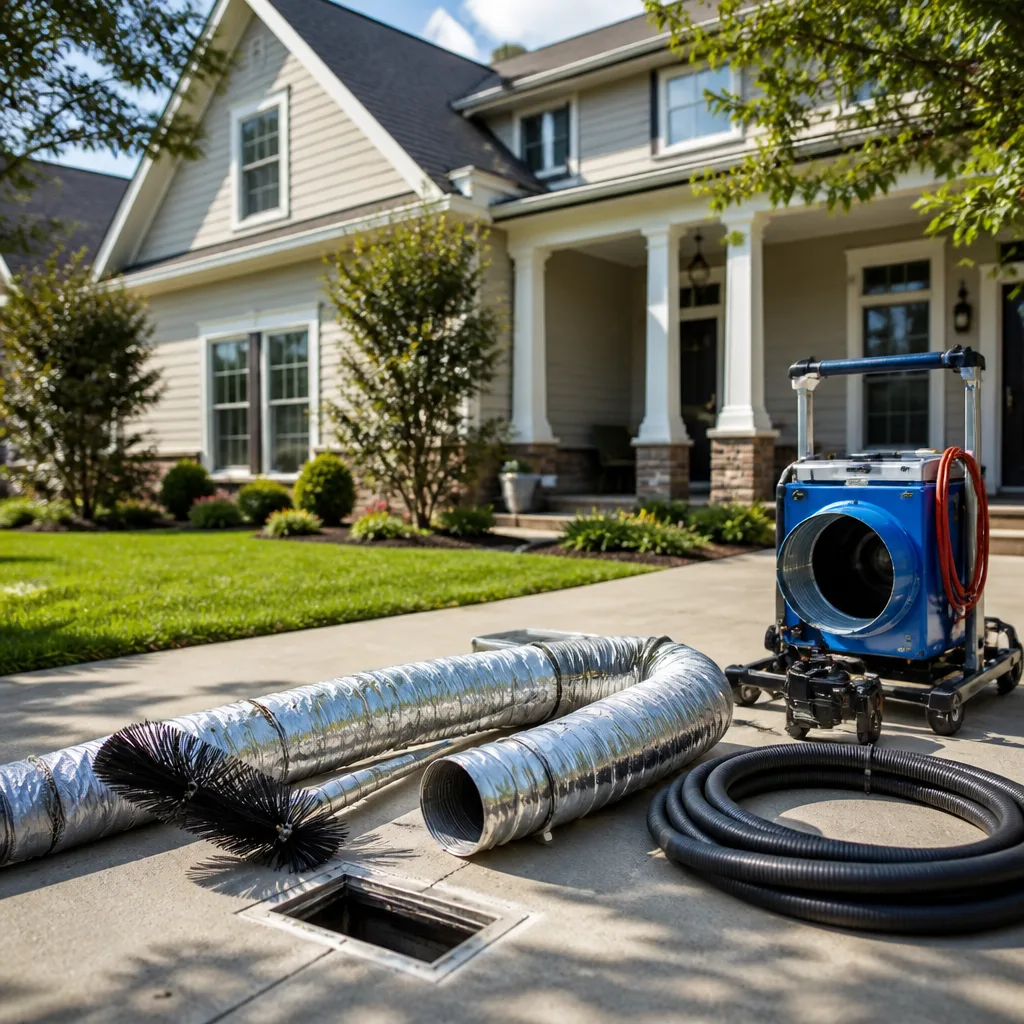 Whole-home duct cleaning
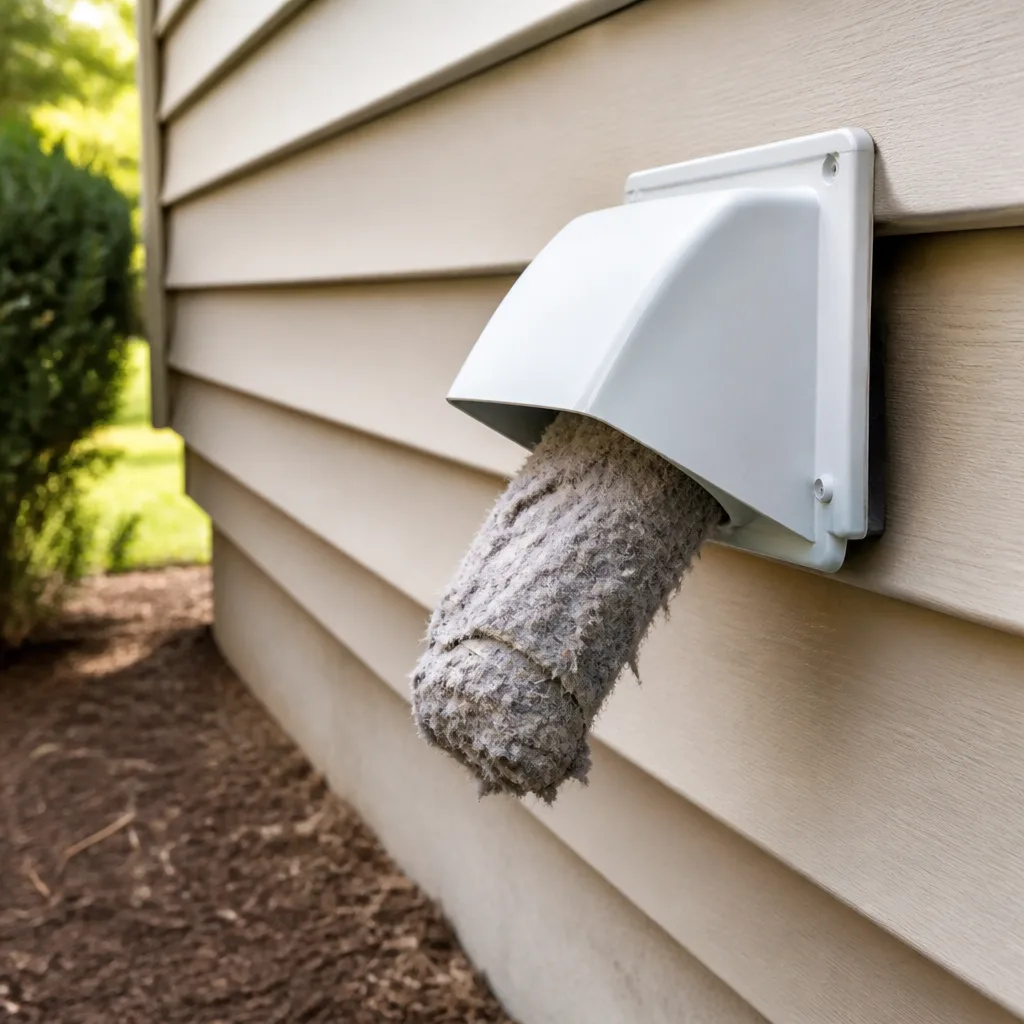 Dryer vent cleaning
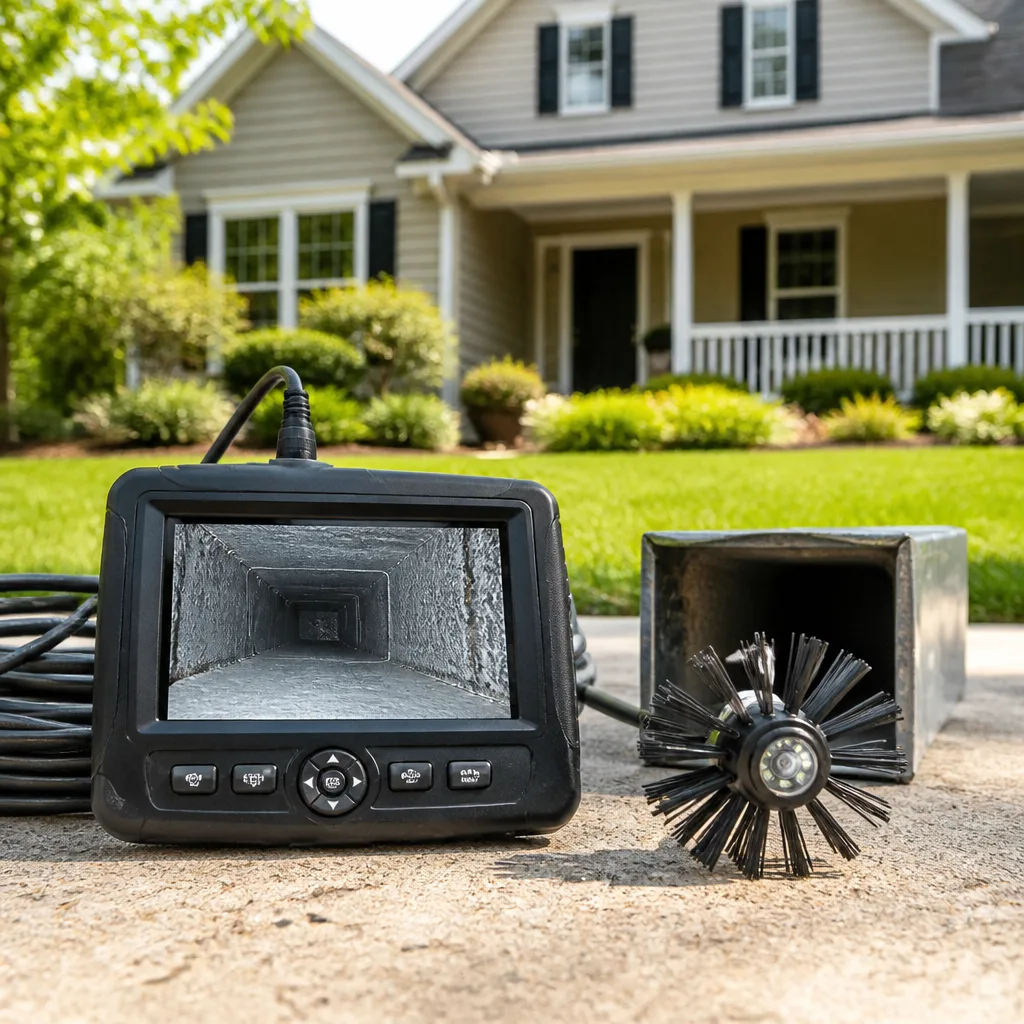 Camera inspection
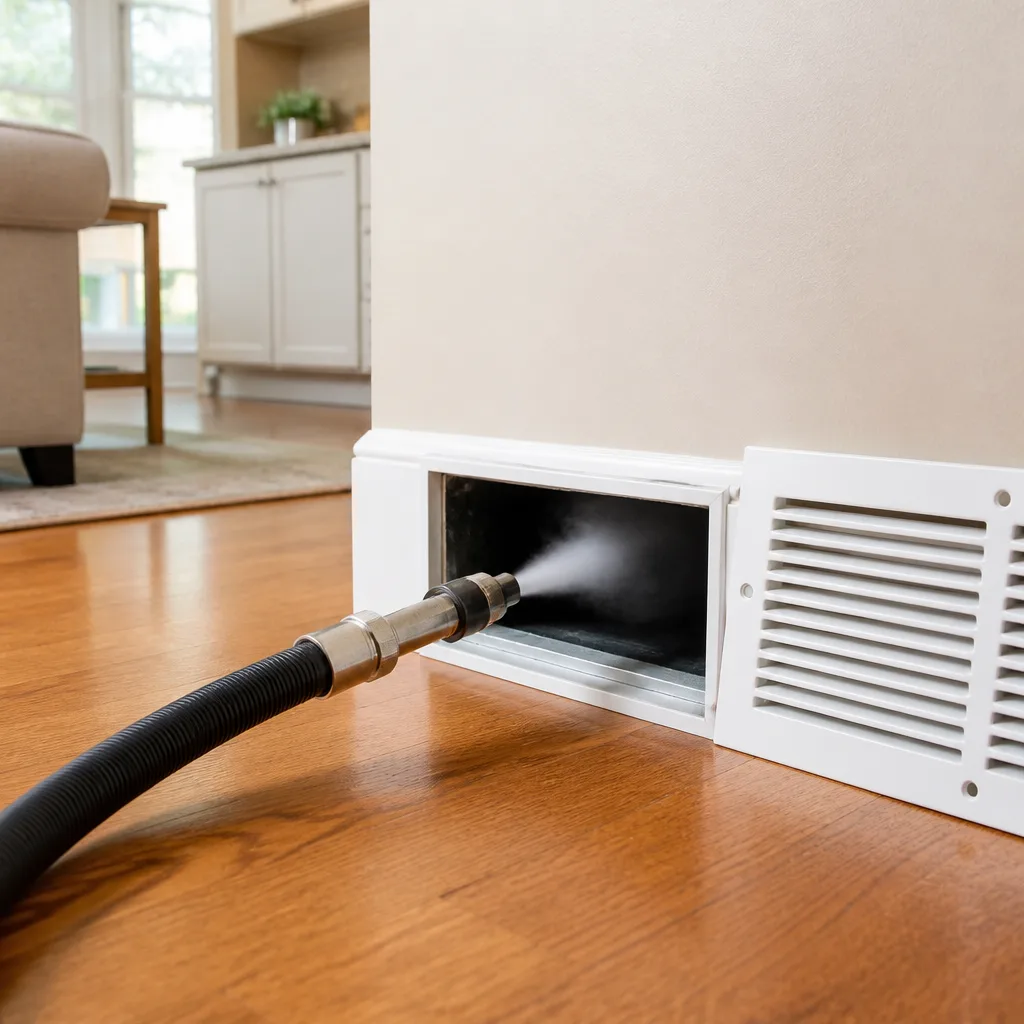 Sanitizing & deodorizing
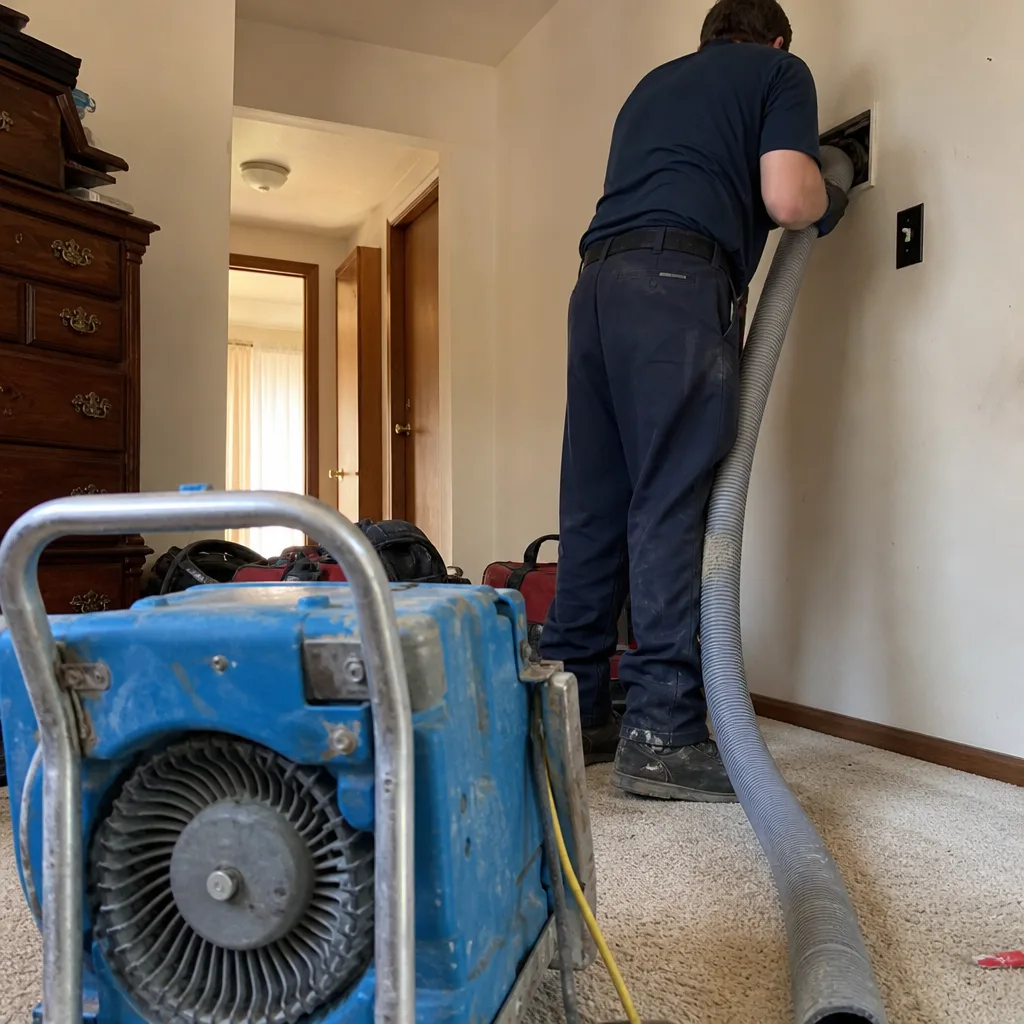
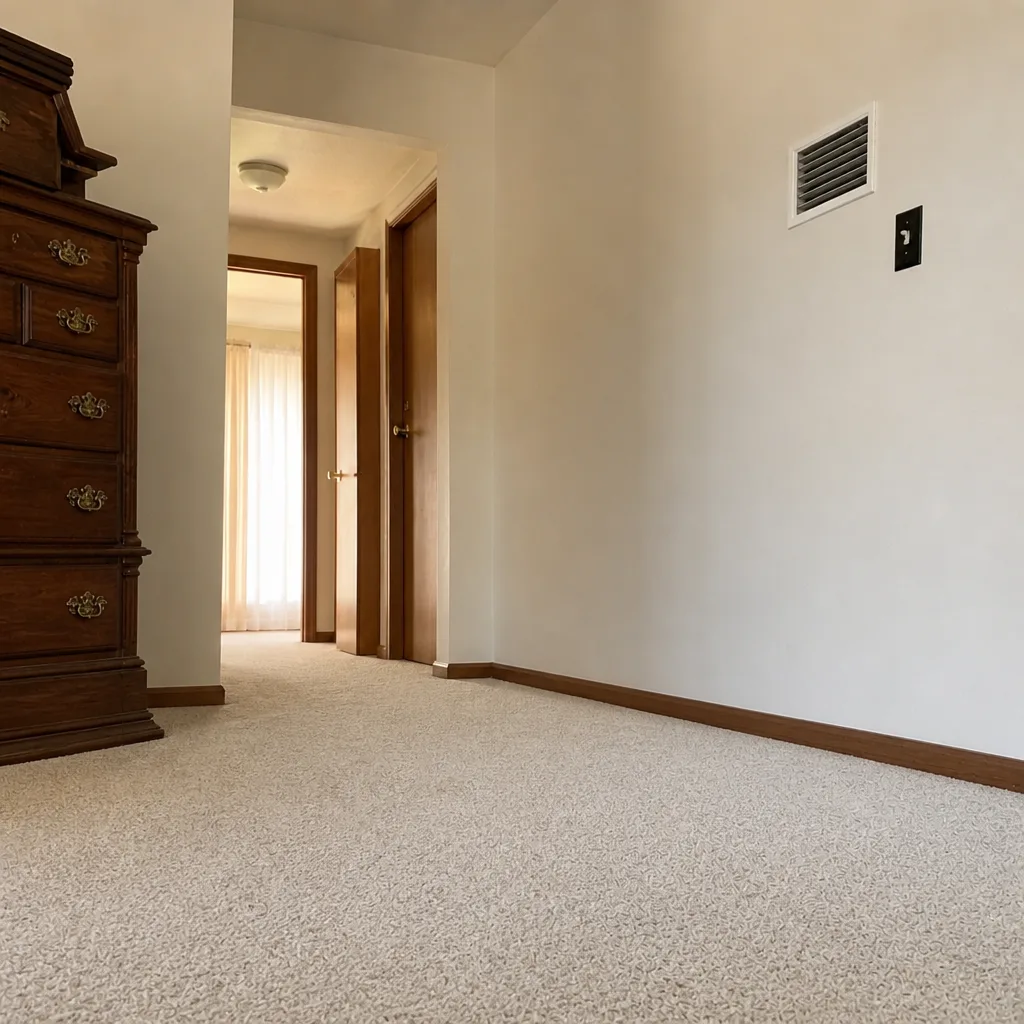
Whole-system duct and dryer vent check with before-and-after photos - you see exactly what came out of your vents
That "$99 whole-house special" is a bait ad - the real number appears once they are in your hallway, or the "clean" is a shop-vac at the register. We photograph the inside of your ducts before and after instead.
Air Duct Cleaning Permits, Codes & Inspections in Lakewood, CO: What You Need to Know
The cleaning company found collapsed flex duct in your crawl space and wants to replace it the same day. Before you say yes, you should know that duct replacement in Lakewood may require a Jefferson County mechanical permit, and work done without one can follow you to the closing table when you sell. The confusing part is where the line sits. Cleaning a duct system is one thing. Cutting it open, replacing a run, sealing a trunk line, or adding a filter cabinet is another. This guide draws that boundary clearly: what Lakewood and Jefferson County actually regulate, how mold inside ductwork crosses into CDPHE territory, what pre-1980 homes need assessed before anyone touches the ductwork, and how to verify a contractor pulled the permit instead of skipping it.
Quick Answer
In Lakewood, routine air duct cleaning itself typically does not require a permit, but duct repair, replacement, or modification often does require a mechanical permit through the City of Lakewood and Jefferson County. Mold remediation inside ductwork can also fall under Colorado Department of Public Health and Environment (CDPHE) guidance, and homes built before 1980 need materials assessed for asbestos before duct work begins. Always confirm permit responsibility in writing before work starts.
Styles & brands we work with
- Whole-home duct cleaning
- Dryer vent cleaning
- Camera inspection
- Sanitizing & deodorizing
Table of Contents
- Does Air Duct Cleaning Require a Permit in Lakewood, CO?
- What Lakewood and Jefferson County Actually Regulate
- When Mold in Ductwork Becomes Regulated Abatement
- Pre-1980 Lakewood Homes and Asbestos Assessment
- How to Verify Your Contractor Is Pulling Permits
- How Unpermitted Duct Work Surfaces at Resale
- Doing It Right vs. Fixing It Later
- Common Mistakes to Avoid
Does Air Duct Cleaning Require a Permit in Lakewood, CO?
No, routine air duct cleaning in Lakewood does not typically require a permit. Cleaning is maintenance, not construction: a technician opens access points, agitates the duct walls, extracts loose debris with HEPA equipment, and closes the system back up. No structural or mechanical component is altered, so no permit is triggered.
Where homeowners get confused is the moment a cleaning turns into a repair. If the technician is doing a standard air duct cleaning job and the camera shows a crushed flex run, a disconnected joint under a register boot, or rusted-through galvanized duct in a crawl space, the service stops being cleaning. It becomes modification, replacement, or new installation of an HVAC component, which is regulated work.
A rough guide to the permit boundary:
- Typically no permit: cleaning, sanitizing, surface vacuuming, filter changes, access-panel cutting for cleaning access.
- Often requires a mechanical permit: replacing a duct run, adding a new supply or return, altering a trunk line, changing duct sizing, installing a filter cabinet or air cleaner, connecting new flex duct to a plenum.
- Generally requires a permit plus additional scrutiny: any work that moves or replaces combustion venting, or work in a home built before 1980 where materials must be assessed for asbestos.
Jefferson County and the City of Lakewood coordinate on permitting. A homeowner in Belmar and a homeowner in Green Mountain are working through the same building department pathway, and the mechanical permit for a duct modification is usually pulled before the work, not after. When we find a repair issue during a Lakewood job, the correct move is to write it up, explain what triggers a permit, and let the homeowner choose the path. One crew, the full job, but never at the cost of a skipped permit.
What Lakewood and Jefferson County Actually Regulate
The cleanest way to understand the Lakewood regulatory landscape is to split it into two distinct categories of work: the duct system’s mechanical integrity, and the air moving through it. Different rules apply to each.
The mechanical side (Jefferson County mechanical permit): duct system repair, replacement, alteration, and installation of HVAC components. This is the permit that matters most, because it is the one most often skipped by contractors who arrive for a cleaning and offer a same-day duct replacement. If the work includes any of the following in Lakewood, plan for a permit:
- Removing and replacing a length of duct, flexible or rigid.
- Adding a new supply or return register and its associated duct run.
- Changing the diameter of a duct run or the layout of a trunk line.
- Installing a media filter cabinet, air cleaner, or bypass humidifier into the duct system.
- Reconnecting a disconnected duct section that requires new fittings, transitions, or duct board fabrication.
The air-quality side (CDPHE and remediation standards): the physical ductwork is one concern, but the contaminants inside it are governed differently. If the work crosses from cleaning into mold remediation or contaminant abatement, the standards shift. That’s covered in the next section.
What typically does not require a permit in Lakewood: routine cleaning, sanitizing, and dryer vent cleaning. A standard dryer vent cleaning visit involves clearing lint buildup from the vent run, not modifying the vent system. If the technician finds a crushed dryer vent line and proposes replacing it, that crosses into repair territory and the same permit conversation applies. Ask before agreeing.
When Mold in Ductwork Becomes Regulated Abatement
This is the boundary that catches a lot of Lakewood homeowners off guard. Cleaning surface dust and debris out of a duct system is maintenance. Cleaning mold growth out of a duct system is contamination abatement, and the two have very different professional standards.
The Colorado Department of Public Health and Environment (CDPHE) provides indoor air quality guidance that treats mold remediation as a distinct scope of work from routine HVAC cleaning. The line generally sits around:
- Small, isolated mold in a single accessible duct section: often handled as part of a thorough cleaning with sanitizing, using proper containment and HEPA extraction.
- Mold growth spread across multiple duct runs, the plenum, or the air handler: this typically crosses into remediation scope, requiring containment barriers, negative-pressure equipment, and a documented post-remediation verification step.
- Mold with visible water damage or an active moisture source: remediation is deferred until the moisture source is corrected. Otherwise the mold returns, permitted or not.
This distinction matters because a bottle of sanitizer sprayed into a duct is not remediation. It’s a surface treatment. A proper remediation job in Lakewood uses Abatement Technologies filtration equipment to maintain negative pressure and capture airborne spores during the work, and it treats the whole problem: source, containment, removal, and verification.
If a Lakewood contractor offers to “remediate mold” in your ductwork while also telling you no permit or documentation is needed, ask the follow-up: what CDPHE guidance is being followed, and what does post-remediation verification look like? A real remediation standard produces a paper trail. If it doesn’t, you’re getting a spray bottle and a promise, not abatement.
Pre-1980 Lakewood Homes and Asbestos Assessment
Lakewood has a large inventory of homes built before 1980, including many in the older neighborhoods near Belmar, Lakewood Estates, and along the older stretch of West Colfax. If your home predates 1980 and any duct work is about to be cut, opened, or replaced, an asbestos assessment comes first. That is a hard rule, not a precaution.
Two materials in older duct systems are the common concern:
- Duct insulation: many pre-1980 duct systems used insulation wrapped around the exterior of the duct or duct board that could contain asbestos. Any disturbance of this material releases fibers into the air stream.
- Joint tape and mastic: older duct joints were frequently sealed with paper-backed tape or mastic containing asbestos. Cutting into a taped joint disturbs it.
What this means in practice for a Lakewood homeowner facing duct repair:
- Before any cutting or replacement, have the duct insulation and joint tape sampled by a licensed asbestos inspector.
- If the sample comes back positive, remediation of the asbestos-containing material must be done by a licensed abatement contractor before the mechanical duct work proceeds.
- Only after abatement clearance does the duct replacement or repair get permitted and scheduled.
This is where the “same-day duct replacement” offer falls apart for an older Lakewood home. A contractor who shows up, finds collapsed duct, and starts cutting the same afternoon without a pre-1980 assessment is either skipping a required step or doesn’t know it exists. Neither is a good sign. Our technicians have up to 11 years of experience, and the first question on a pre-1980 Lakewood job is always the same: what’s been assessed?
The climate layer here is real. Lakewood sits against the Front Range foothills, where summer attic temperatures swing hard and winter basement humidity stays low. Older duct systems in these homes dry out, tape lifts, and insulation flakes over time. That doesn’t make it safe to disturb. It makes assessment more important, because the material that’s coming loose is the material you don’t want in your air.
How to Verify Your Contractor Is Pulling Permits
Do not take “yes, we pull permits” at face value. Verify it. A legitimate Lakewood contractor expects the question and answers it without hesitation. Here’s how to confirm it in five concrete steps.
- Ask who pulls the permit and get it in writing. The permit should be pulled by the contractor doing the work, in their name, before the work starts. Put it in the written estimate.
- Look up the permit through the City of Lakewood’s online permit portal. Mechanical permits for duct modifications are searchable by address. If it’s not there before the work starts, it’s not being pulled.
- Ask for the permit number once it’s issued. A contractor with nothing to hide provides it without being pushed.
- Confirm the inspection schedule. A mechanical permit usually requires an inspection after the work is complete. Ask when the inspection is booked and who will be present.
- Don’t pay in full until inspection passes. A final payment that waits on the inspector’s sign-off is a legitimate incentive for the contractor to schedule and pass it.
Why does a contractor skip the permit? Because it saves time and money. The fee is smaller than the delay, and a rushed job can be finished in an afternoon without the paperwork. The problem is that the risk doesn’t go away when the truck leaves. It transfers to you. Unpermitted work is your liability at resale, your problem if the work fails an inspection later, and your disclosure obligation to a future buyer. The contractor got paid either way.
When Lakewood Air Duct Cleaning Experts finds a repair that crosses the mechanical permit line, we write it up clearly: the scope, whether a permit is required, and what an assessment or abatement step might come first. We don’t cut before the paperwork is right. From cleaning to sealing, the sequence matters as much as the work.
How Unpermitted Duct Work Surfaces at Resale
Unpermitted duct work usually sits quietly until a home inspector finds it. During a Lakewood home sale, a thorough inspector will run the HVAC system, check access panels, and look at the duct connections visible at the plenum, the air handler, and any accessible crawl space or attic runs. New duct work with no corresponding permit on record is a red flag that triggers questions.
What happens next depends on the buyer and the timing, but it follows a predictable path:
- The buyer’s inspector flags the work as newer or modified duct with no permit on file.
- The buyer asks for documentation. No permit number and no inspection record means the answer is a shrug.
- Resolution requires a retroactive path. In many cases, the work must be inspected retroactively, and if it doesn’t meet code, corrected. Correction can mean re-opening finished work, re-fabricating fittings, or in the worst case, redoing the whole run.
- The cost of correction lands somewhere. Often on the seller, occasionally as a price reduction, but almost always as a delay.
In Lakewood, where sale contingencies on HVAC and mechanical items have tightened, a missing permit on duct work is not a minor footnote. It’s a negotiating point and sometimes a deal obstacle. The math is simple: the permit and inspection up front cost a fraction of what the correction costs at sale, and the up-front path doesn’t come with a buyer’s suspicion attached.
If you’ve already had unpermitted duct work done, don’t ignore it. The fixable version of this is a self-disclosure to your building department asking what inspection path exists to bring it into compliance. The unfixable version is discovering it during a closing week.
Doing It Right vs. Fixing It Later
Permitted duct work and unpermitted duct work can look identical on the day they’re finished. The difference shows up years later, and it shows up when money and time are tightest. Here’s how to think about the two paths.
Doing it right up front means: a scope defined in writing, a permit pulled by the contractor in Lakewood before work starts, the inspection booked and passed, and the paper trail filed with the home. It means a pre-1980 home gets materials assessed for asbestos before a single cut is made. It means the duct system is sealed, sized correctly, and connected to the plenum properly, and that the air quality equipment added – whether Honeywell media filtration, Aprilaire humidity control, or a Guardsman-treated liner – is part of the permitted scope.
Fixing it later means: retroactive inspection, correction of code deficiencies, and a disclosure conversation with a buyer. It means a repair done twice. If the original work was done without assessment in an older home, it can also mean the additional step of abatement after the fact, which is both more expensive and more disruptive than doing the assessment first.
The real economic argument isn’t just the permit fee versus correction cost. It’s that permitted work is inspected, and inspection catches the errors that cause problems later: undersized ducts that starve airflow, improperly taped joints that leak conditioned air, plenum connections that pull unconditioned attic air into the living space. Those problems show up as uneven room temperatures, higher energy bills, and allergen complaints in Lakewood homes across the metro. Fixing the root cause the first time, permitted and inspected, is the version that doesn’t come back.
Common Mistakes to Avoid
- Assuming all duct work is unpermitted simply because it’s duct work. Cleaning is one thing; replacing a trunk line or adding a return is another, and the second is usually a permitted mechanical job in Lakewood.
- Saying yes to a same-day duct replacement offer without asking about the permit. A contractor who proposes cutting into the duct system the same afternoon is telling you something about their process. Ask for the permit in writing before work starts.
- Skipping the pre-1980 asbestos assessment on an older Lakewood home. Homes built before 1980 commonly have duct insulation and joint tape that need to be sampled before any cutting. This step is not optional and it is not the contractor’s call to skip.
- Treating a spray of sanitizer as mold remediation. Surface sanitizing is not abatement. If mold is spread across multiple runs or involves the air handler, you need containment, HEPA extraction with equipment like Abatement Technologies units, and post-remediation verification, not a bottle and a promise.
- Letting the contractor pull the permit “later”. Permits are pulled before the work, not after. If it’s not in the system on the day the truck arrives, it’s not going to be there when you sell.
- Paying in full before the inspection passes. Hold final payment until the mechanical inspection is signed off. It’s the most direct way to make sure the inspection happens.
- Ignoring unpermitted work that’s already been done. If you’ve inherited unpermitted duct work in a Lakewood home, get ahead of it with your building department now, rather than in a closing week when it becomes a buyer’s leverage.
See the difference
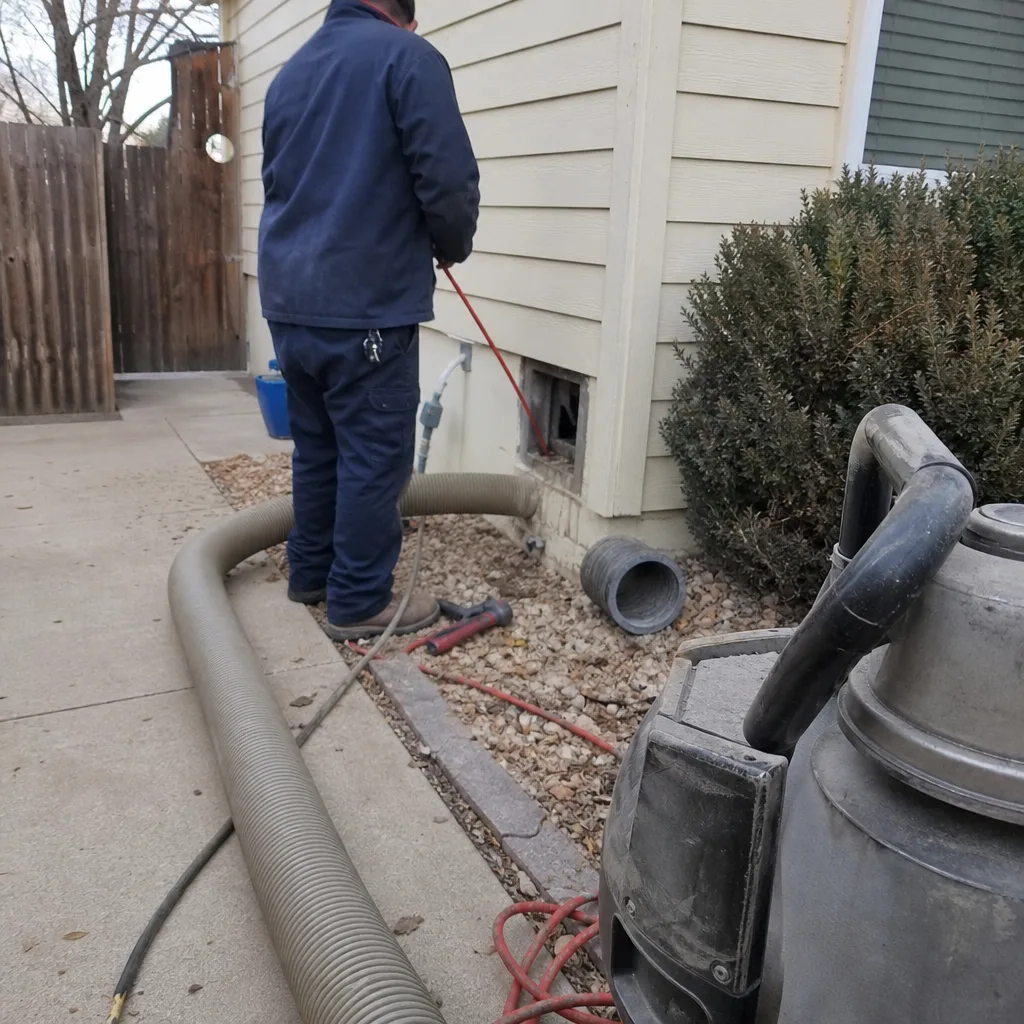 Before
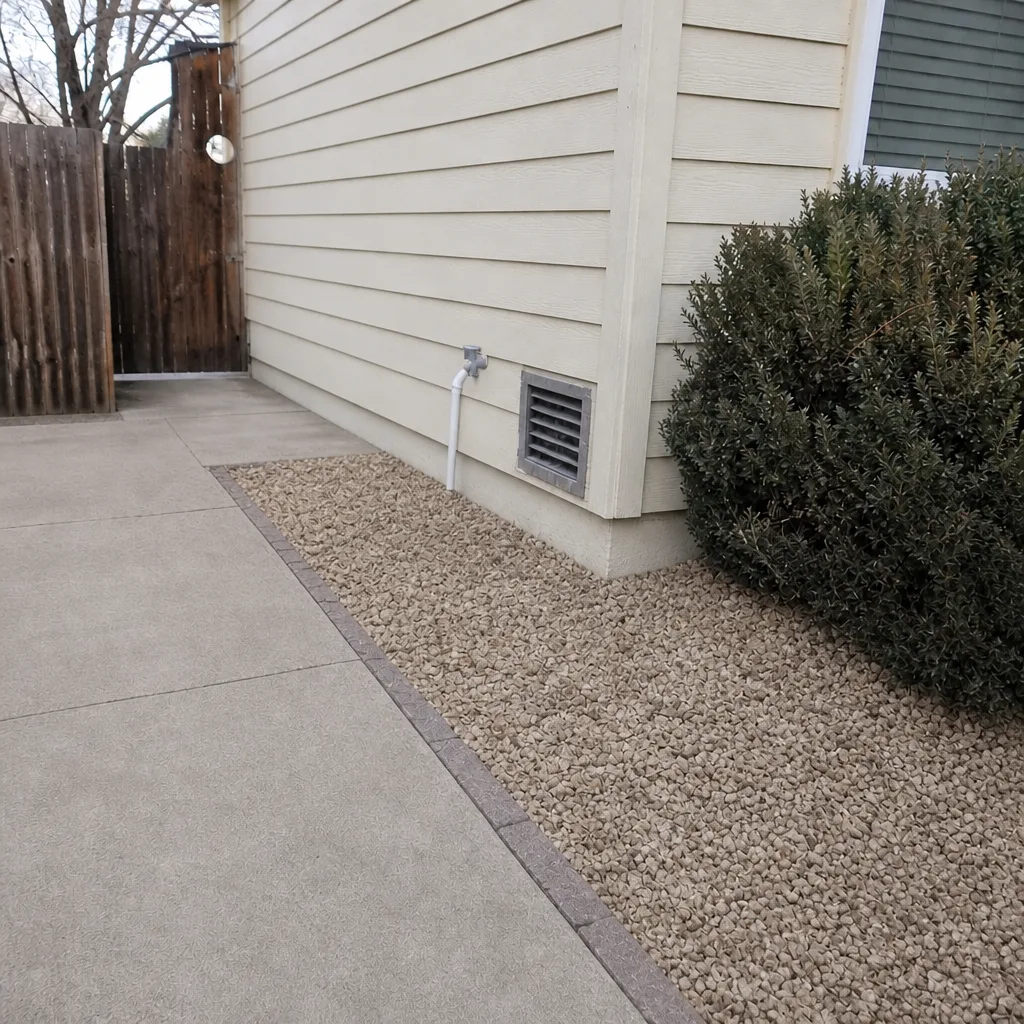 After
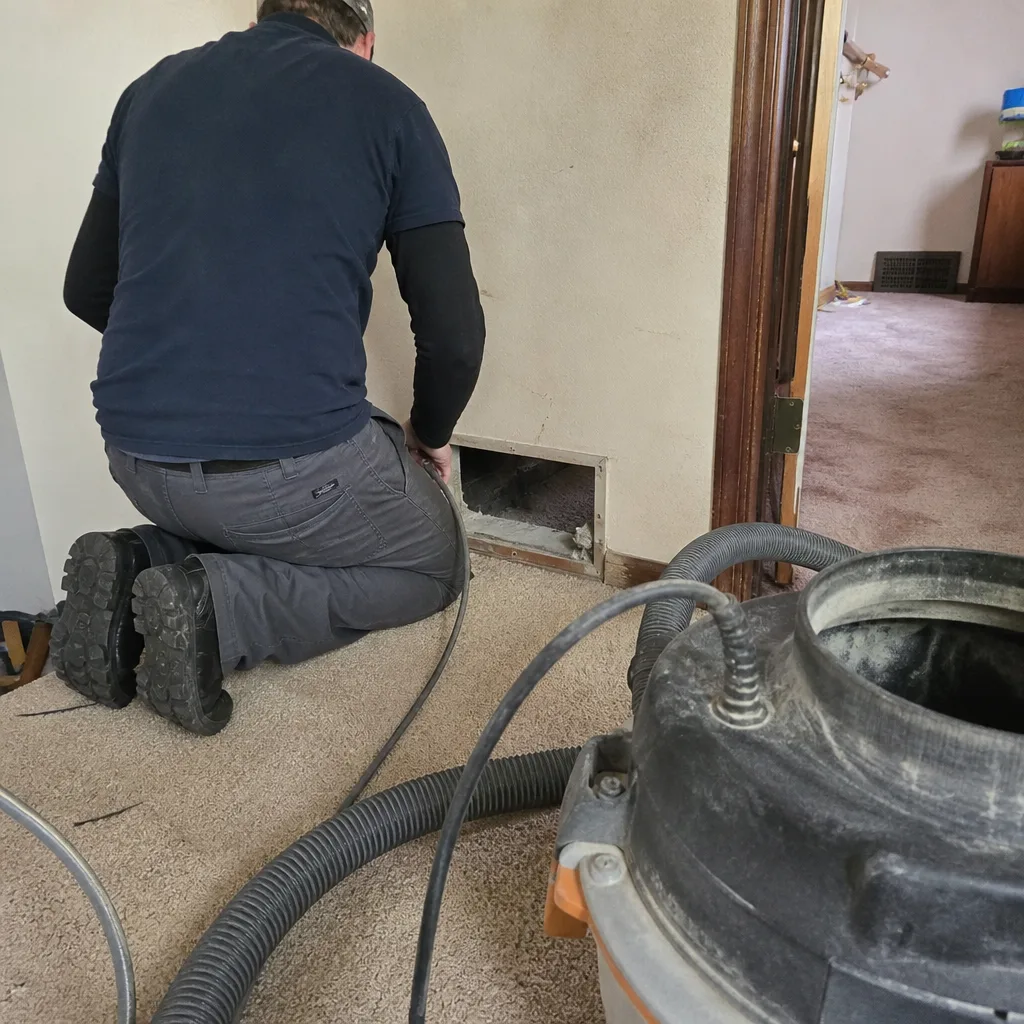 Before
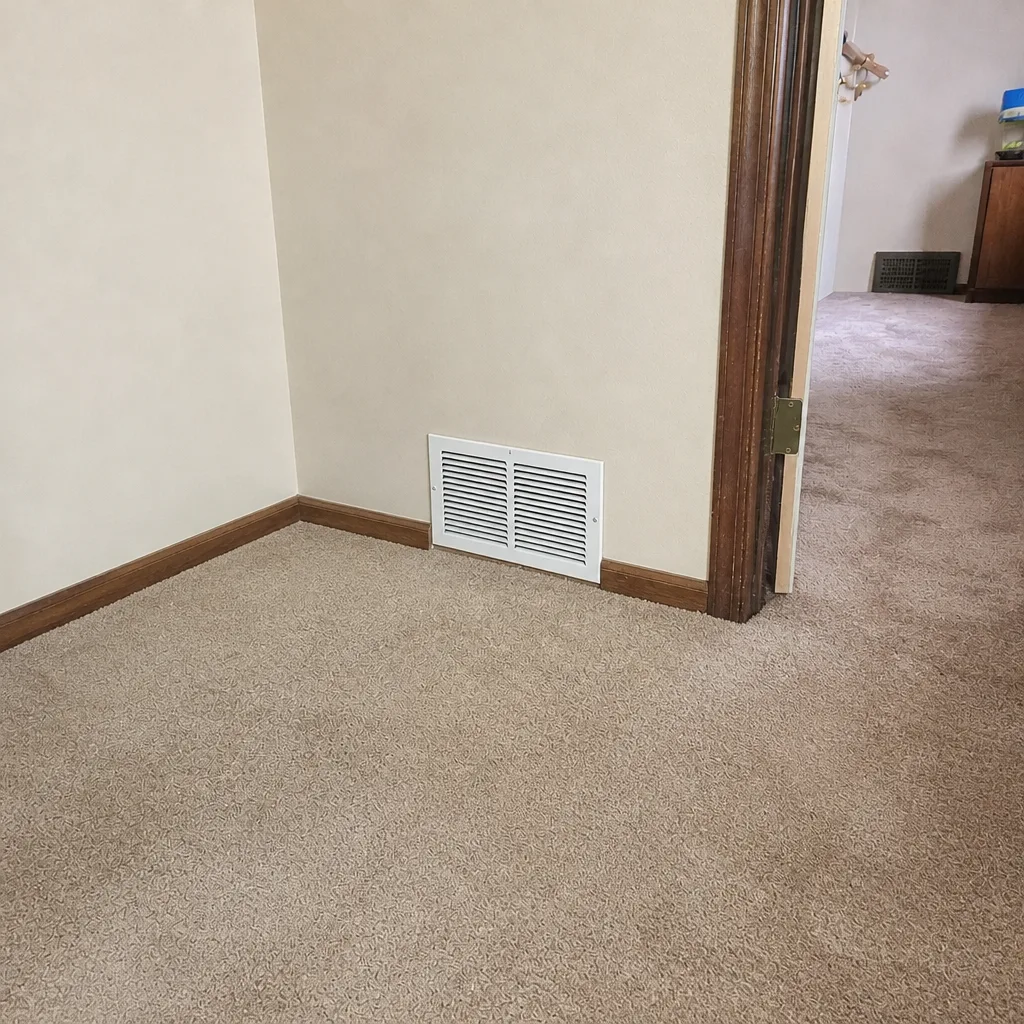 After
 Before
 After
When to Call a Professional
Some duct questions are answered by a cleaning. Others require a diagnostic look and a permit conversation. Call a professional when: your technician has flagged duct damage during a cleaning; you’re considering a duct replacement or new return run; you’ve noticed mold at a register or inside the plenum; your home was built before 1980 and any duct work is on the table; you’re preparing to sell a Lakewood home and can’t confirm existing duct work was permitted; or your HVAC system is old and airflow is uneven from room to room in a way that suggests a duct sizing or routing problem. A proper diagnostic assessment tells you which of these is a cleaning job and which is a permitted mechanical job, and a written scope will tell you where the boundary sits before you commit. Lakewood Air Duct Cleaning Experts offers free estimates in Lakewood. Call (844) 759-1418. We answer 24/7. Fast dispatch from 7am to 7pm, Sunday through Friday.
Frequently Asked Questions
No, routine air duct cleaning in Lakewood typically does not require a permit because it’s maintenance work, not modification. However, if the visit uncovers duct damage and involves repair, replacement, or modification of the duct system, a mechanical permit through the City of Lakewood and Jefferson County is often required. Confirm the scope in writing with your contractor before work starts. Call (844) 759-1418 for an exact quote – estimates are free.
Duct cleaning removes debris and does not alter the system, so it typically requires no permit. Duct repair, replacement, or modification changes the mechanical components – replacing a run, adding a register, changing duct sizing, or installing a filter cabinet – and that work often requires a mechanical permit in Lakewood. The distinction is whether the work changes the duct system’s structure or its function, not whether a technician is inside the ductwork. Call (844) 759-1418 to talk through a specific scope.
Sometimes. Small, isolated mold in one accessible duct section is often addressed within a thorough cleaning and sanitizing scope. Mold spread across multiple runs, the plenum, or the air handler typically crosses into remediation scope, guided by CDPHE indoor air quality standards, which means containment, negative-pressure filtration, and post-remediation verification. If a moisture source is active, it must be corrected first. Call (844) 759-1418 for an assessment – estimates are free.
No. Pre-1980 homes in Lakewood commonly have duct insulation or joint tape that requires asbestos sampling before any cutting or replacement. A licensed asbestos inspector should sample the material first. If it comes back positive, licensed abatement is done before the mechanical duct work is scheduled and permitted. Skipping this step isn’t a shortcut; it distributes fibers through the airstream. Call (844) 759-1418 and we’ll walk you through the sequence.
Look up the permit through the City of Lakewood’s online portal by address before the work starts. The permit should be pulled by the contractor in their name, and the number should be given to you without being pushed for. Book the mechanical inspection after the work, and hold final payment until the inspection passes. If the permit isn’t in the system on the day the truck arrives, it isn’t being pulled. Call (844) 759-1418 if you need help checking a scope.
The buyer’s inspector will typically flag newer or modified duct work with no permit on file, and the resolution usually requires a retroactive inspection through the building department. If the work doesn’t meet code, correction is required, which can mean re-opening finished work and redoing duct runs. Getting ahead of it with your building department before listing is far cheaper than discovering it during closing week. Call (844) 759-1418 – we can help review a scope – estimates are free.
The Bottom Line
Air duct cleaning in Lakewood typically requires no permit. Duct repair, replacement, or modification often does, and that’s the boundary that matters most. Mold growth across multiple runs crosses into remediation scope under CDPHE guidance, which means containment and verification, not a spray bottle. Homes built before 1980 in Lakewood need asbestos assessment on duct insulation and joint tape before any cutting. Verify permits through the City of Lakewood portal before work starts, book the inspection, and hold final payment until it passes. Unpermitted duct work surfaces at resale, and the correction cost at closing dwarfs the permit cost up front. Do it in the right order, in writing, and the work holds up. If you need help drawing the line on a specific Lakewood job, or want a clean system checked properly, that’s the conversation to start with a call.
Call Lakewood Air Duct Cleaning Experts at (844) 759-1418 for a free estimate. We answer 24/7. Fast dispatch from 7am to 7pm, Sunday through Friday. From cleaning to sealing, our technicians have up to 11 years of experience and use professional-grade Rotobrush and Nikro systems to treat the duct system, not just the surface. We can also help with HVAC cleaning and answer questions about how a permitted repair fits into a full service visit. If you’re new to the area, start with an overview of Lakewood Air Duct Cleaning Experts and what we cover across the city.
Written by the team at Lakewood Air Duct Cleaning Experts.