
Last updated November 23, 2026
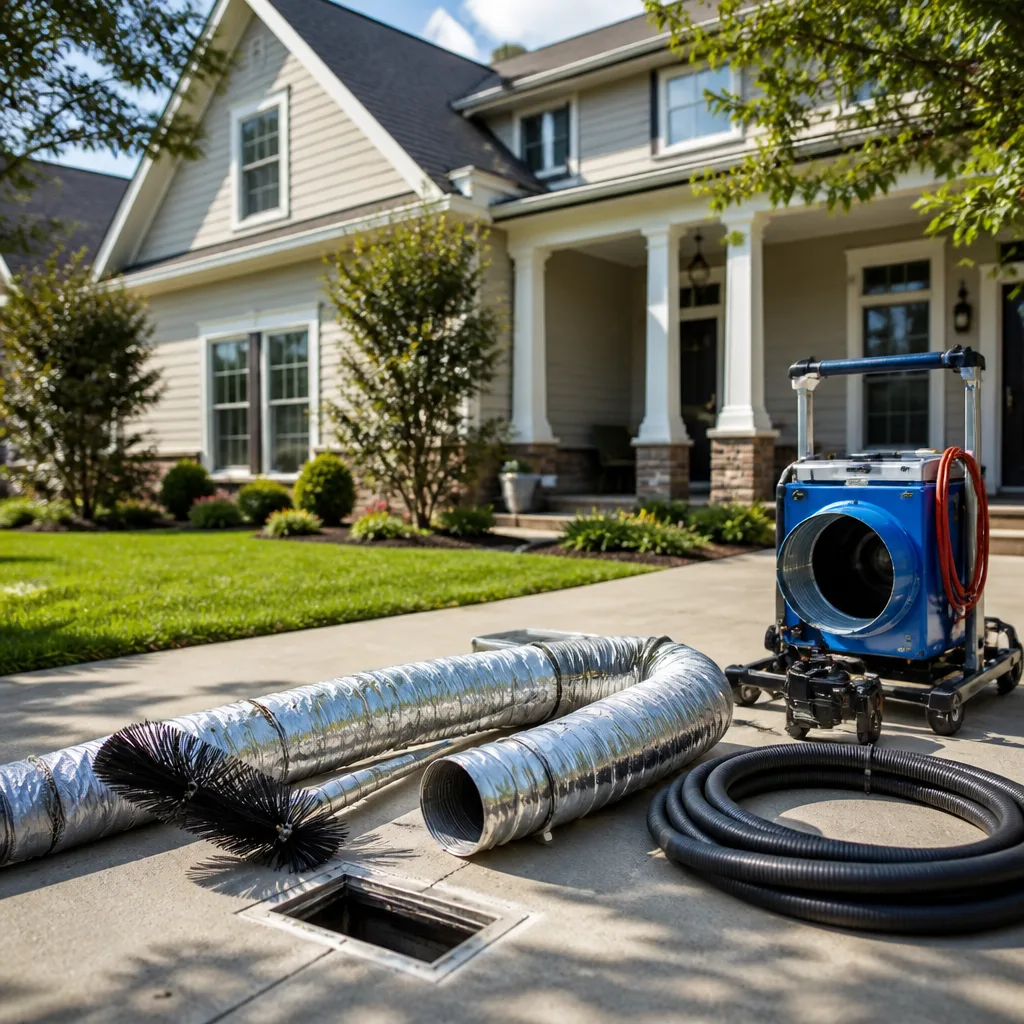 Whole-home duct cleaning
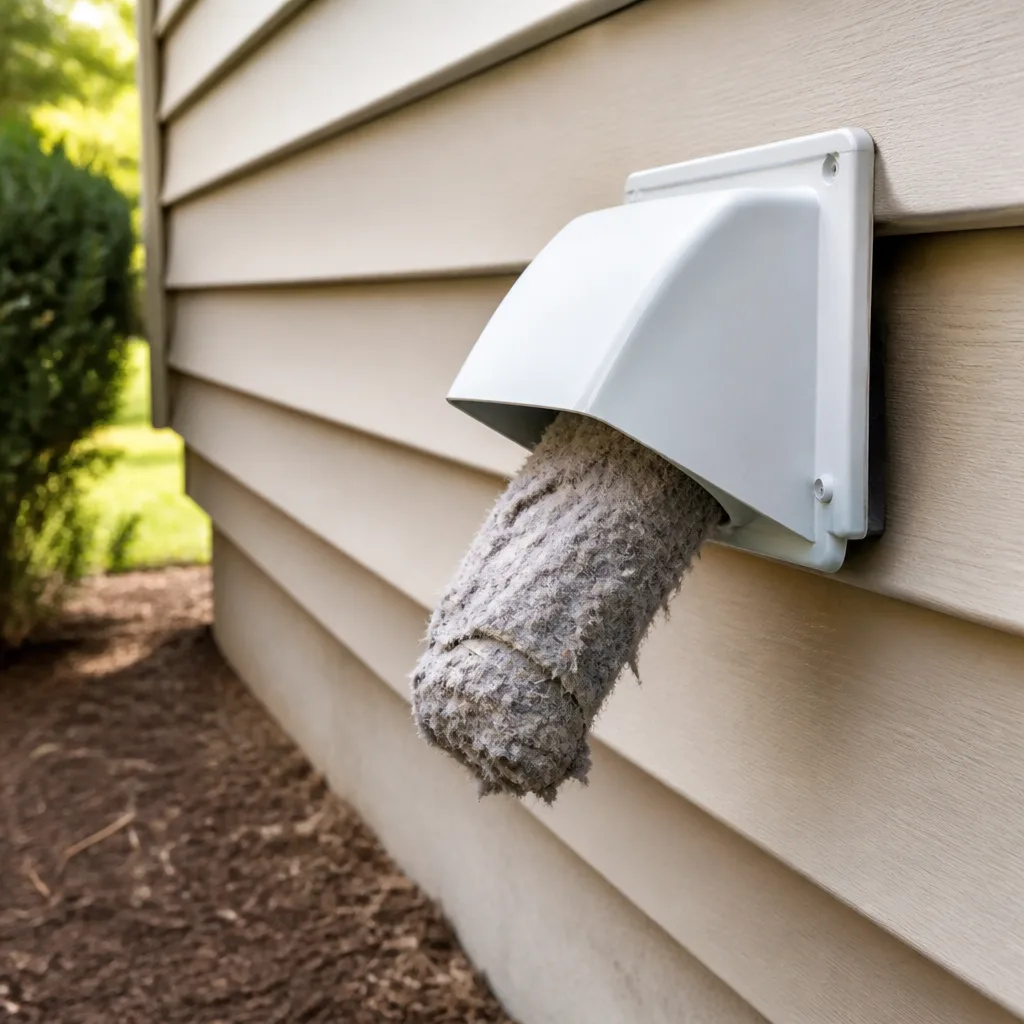 Dryer vent cleaning
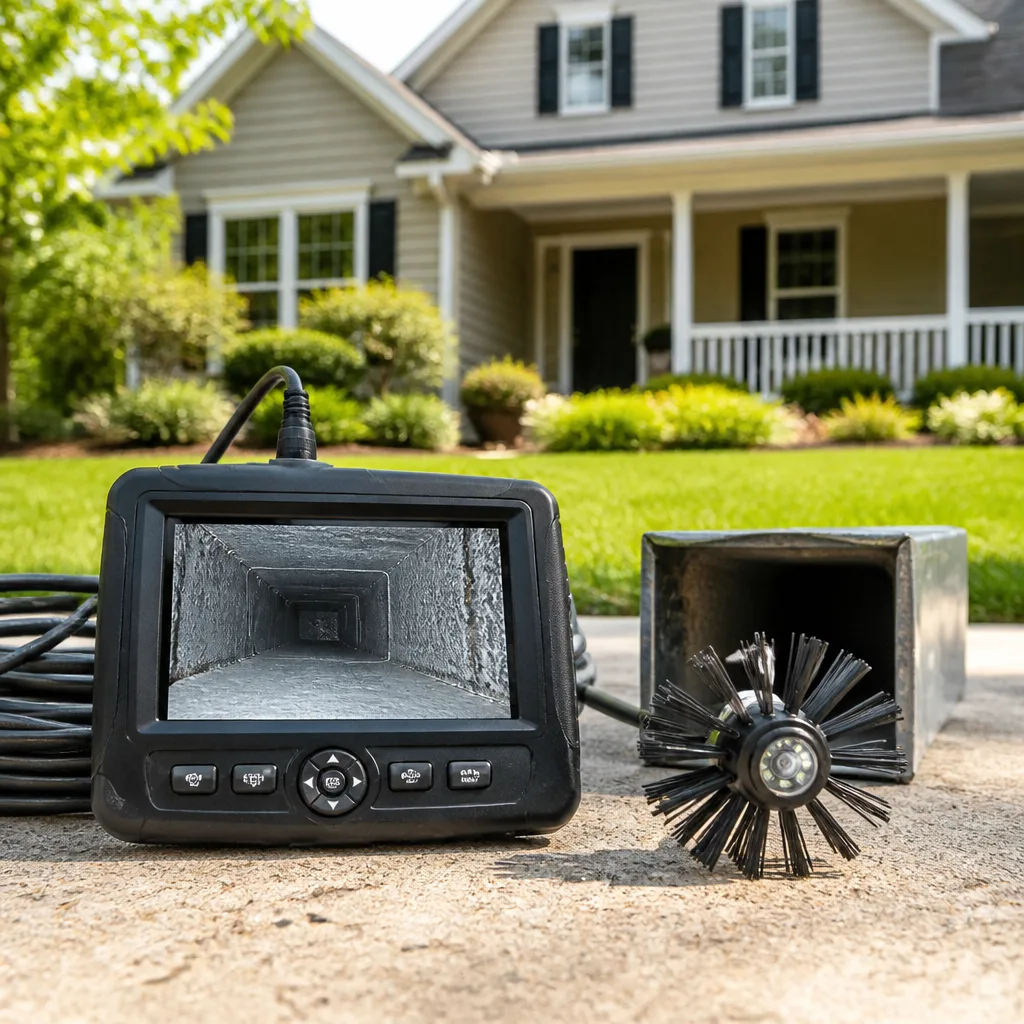 Camera inspection
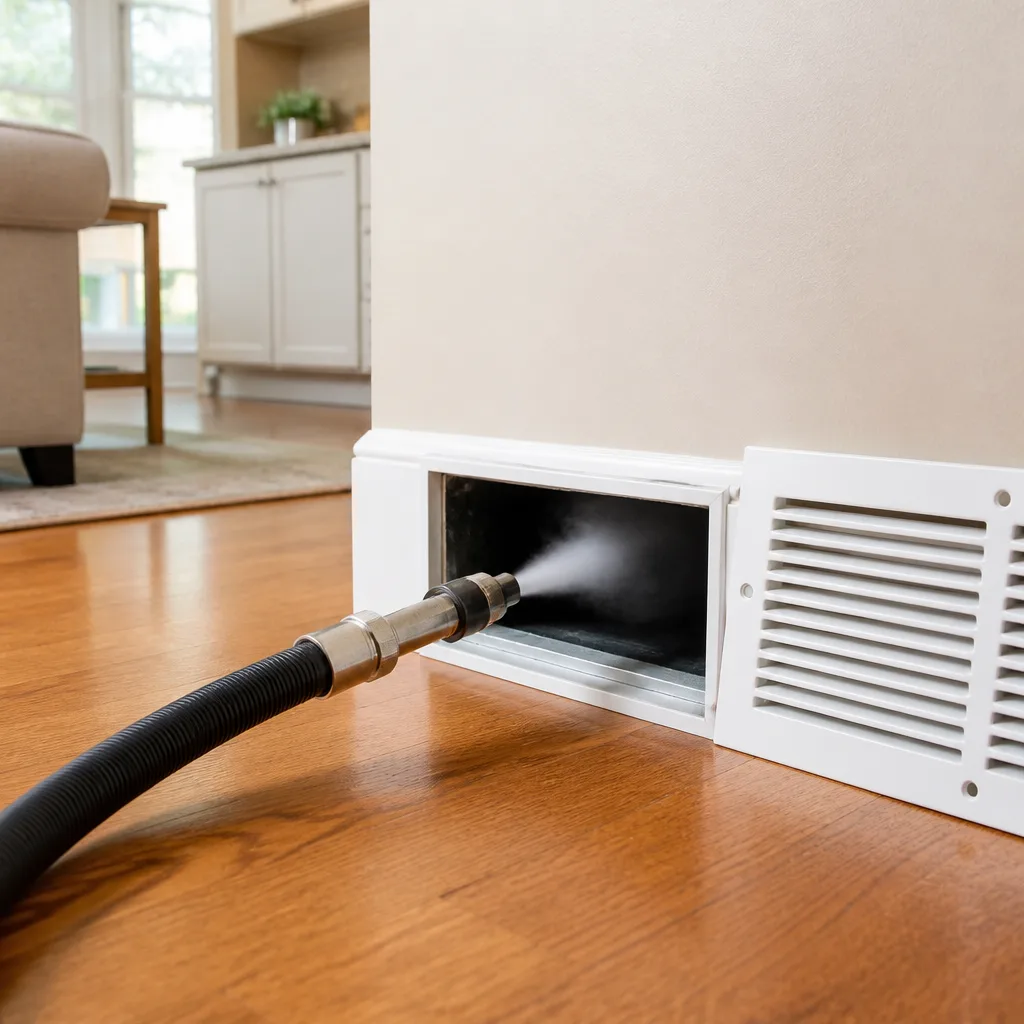 Sanitizing & deodorizing
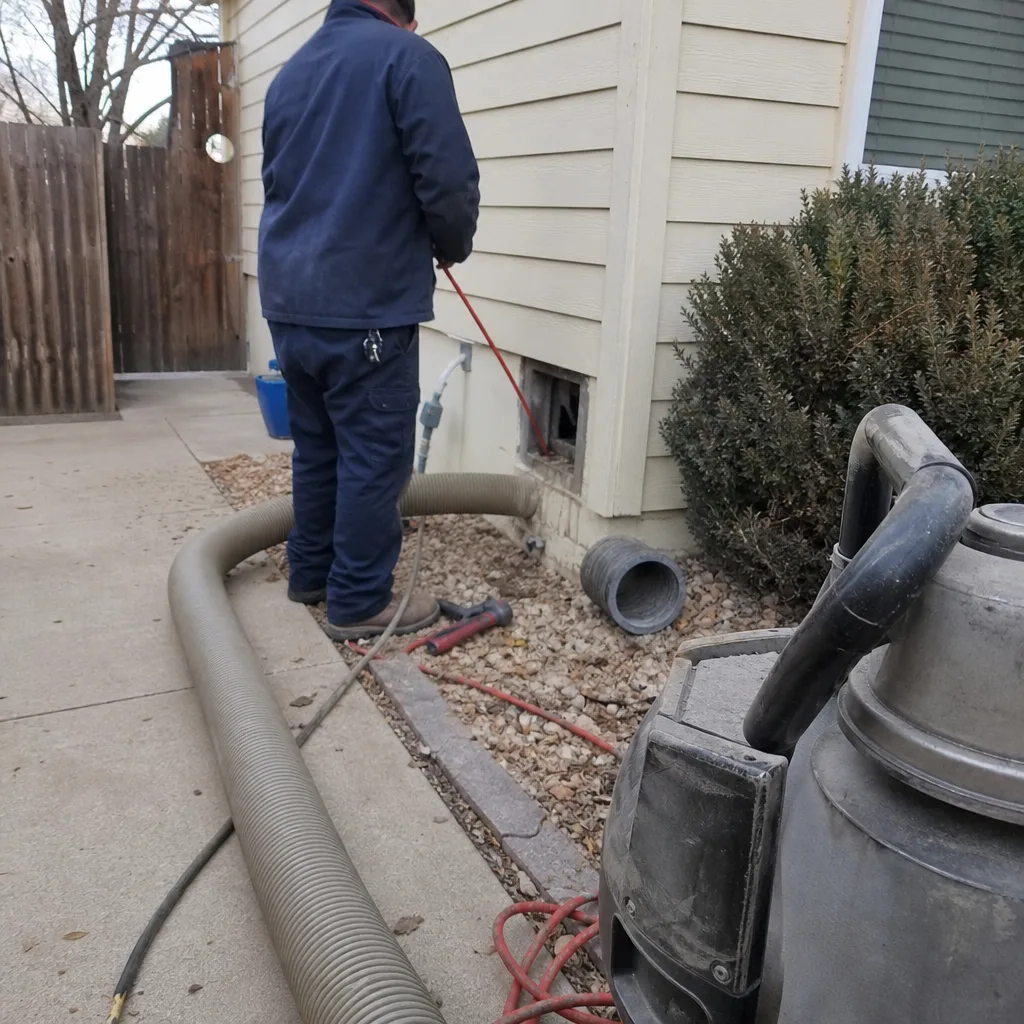
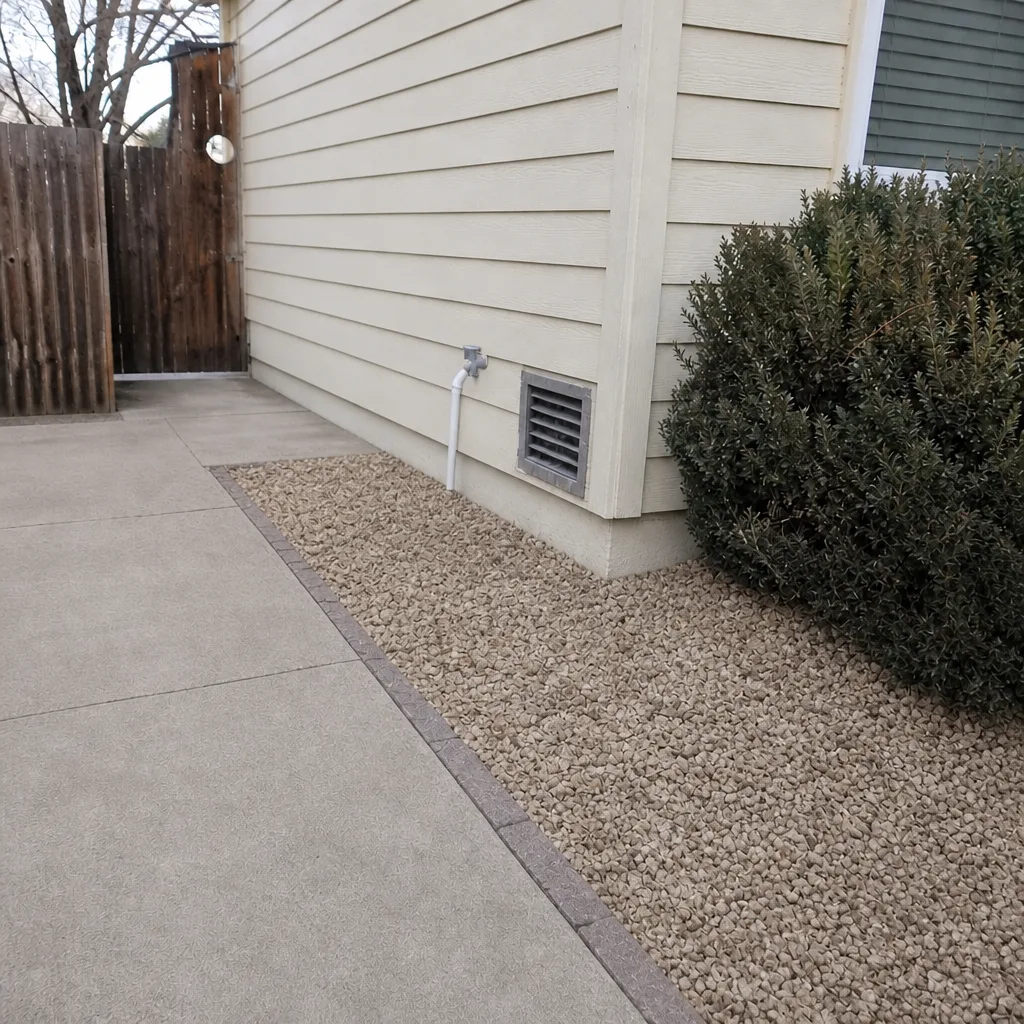
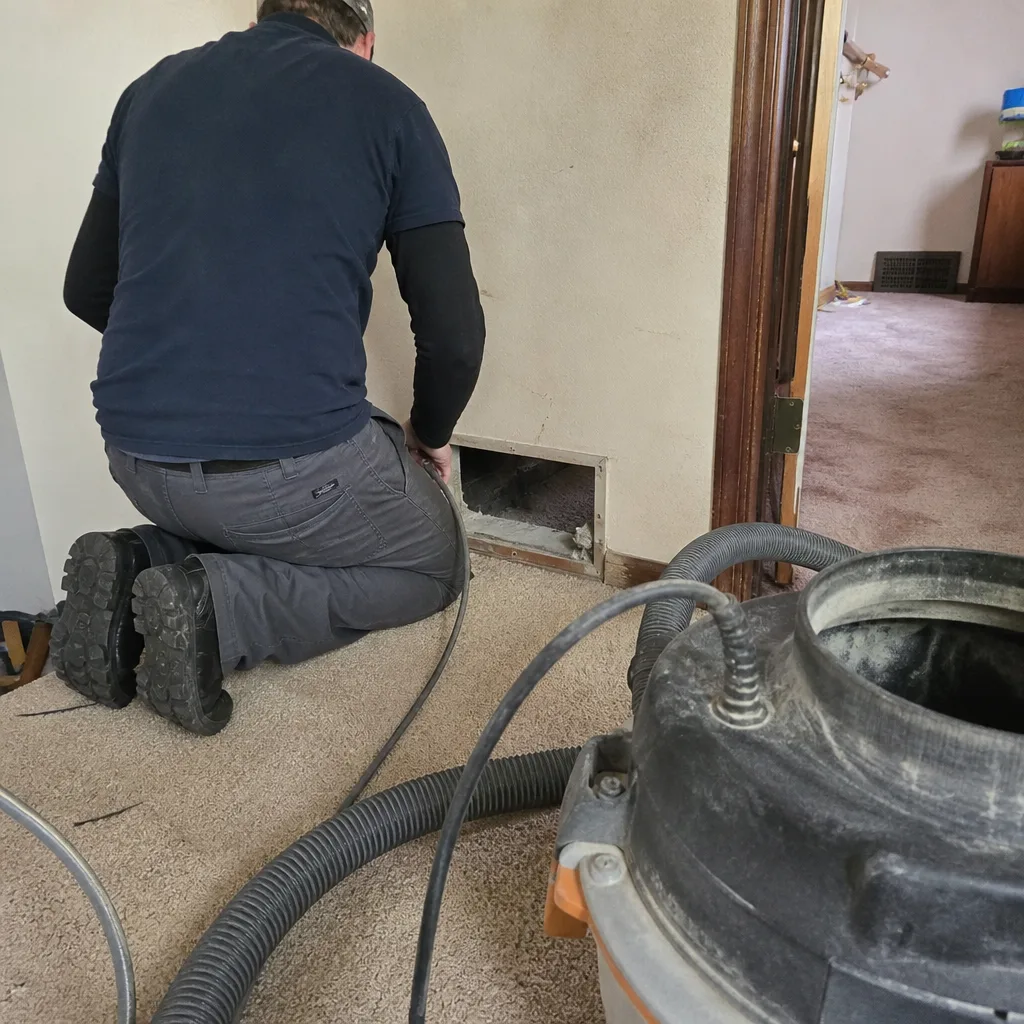
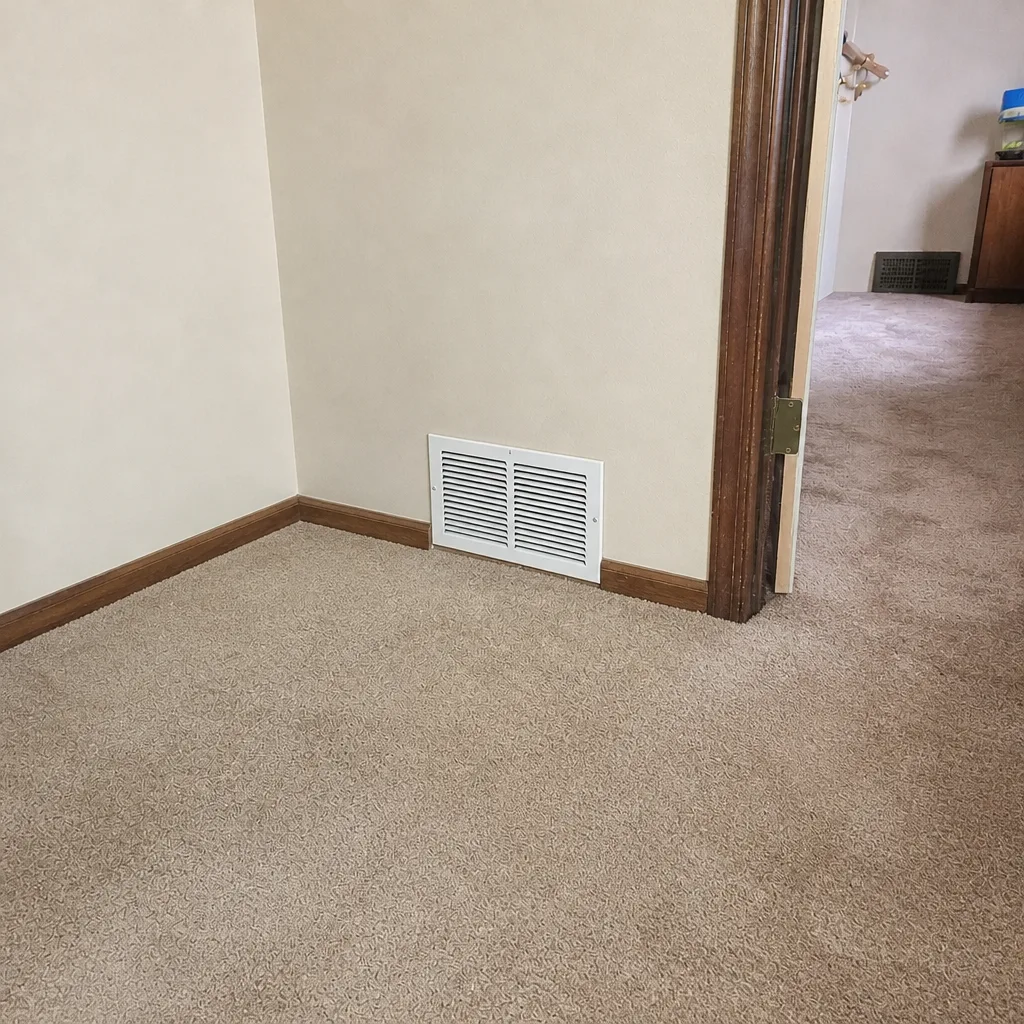
Whole-system duct and dryer vent check with before-and-after photos - you see exactly what came out of your vents
That "$99 whole-house special" is a bait ad - the real number appears once they are in your hallway, or the "clean" is a shop-vac at the register. We photograph the inside of your ducts before and after instead.
Air Duct Cleaning Emergency Preparedness Guide for Lakewood Homes
Most homeowners assume duct contamination arrives slowly, over seasons of ordinary use. The opposite is true after an emergency. Wildfire smoke, flooding, a structure fire, or a major remodel can push a heavy contaminant load into your ductwork in a single day, and every hour the system keeps running moves that load deeper into the house. What surprises people is how quiet the damage is: the air can look clear while the ducts hold smoke residue or moisture for weeks. This guide covers what to do with your HVAC system during and after each of those events, so contamination stays a manageable cleanup instead of a permanent part of your home. We wrote it for Lakewood homes specifically, because the risks here have a local shape.
Quick Answer
During a wildfire smoke event, shut the HVAC system off once smoke is visible in the neighborhood, then have the ducts inspected and cleaned before resuming normal operation. After flooding or a structure fire, treat the ductwork as contaminated until a professional assessment confirms otherwise, because mold colonization can begin within 48 to 72 hours of moisture exposure and fire residue requires specialized extraction equipment rather than standard cleaning. For major renovations, seal the registers and shut the system down before demolition starts. Call (844) 759-1418 for a free estimate. We answer 24/7. Fast dispatch from 7am to 7pm, Sunday through Friday.
Styles & brands we work with
- Whole-home duct cleaning
- Dryer vent cleaning
- Camera inspection
- Sanitizing & deodorizing
Table of Contents
- What to Do With Your HVAC System During a Wildfire Smoke Event
- Post-Fire Duct Cleaning After a Structure Fire
- Post-Flood Ductwork: The 48 to 72 Hour Window
- Pre-Renovation Duct Protection
- What a Post-Emergency Duct Inspection Should Confirm
- What to Document for Your Insurance Claim
- When to Call a Professional
- Frequently Asked Questions
What to Do With Your HVAC System During a Wildfire Smoke Event
The single most important action during a smoke event is the one most homeowners skip: turn the system off. A running HVAC system is an air mover. Return intakes pull outside air and smoke particulate into the duct network, and the supply side pushes it into every room. Shutting the system down stops that circulation. It does not undo what already entered, but it keeps the load from growing.
Here is the sequence we recommend when smoke arrives in your Lakewood neighborhood:
- Switch the thermostat to off, not just to fan auto. Fan-only mode still circulates air through the ducts.
- Close windows and exterior doors, and keep them closed until air quality improves outdoors.
- If you run a portable air cleaner, place it in the room where you spend the most time.
- Note when you shut the system down. That timestamp matters if you file an insurance claim later.
- After the event, have the ductwork inspected before you resume normal operation. Smoke residue settles on duct walls and does not clear itself.
Which filter upgrades actually help, and which hurt
Upgrading filtration during a smoke event helps only if the system can handle the added resistance. A high-MERV filter in a system designed for a basic filter can starve airflow, strain the blower, and in some cases freeze the coil. That trade is worse than the smoke problem. If you want better filtration, the honest answer is to have a professional look at the system’s static pressure and match the filter to it. We stock and install Honeywell and Aprilaire air quality equipment for exactly this reason: the filter gets chosen for the system, not picked off a shelf and hoped for. MERV 11 to MERV 13 is often workable, but “often” is not “always.” Ask before you buy.
What post-event inspection should confirm
Before you run the system normally again, an inspection should confirm three things: the return plenum and main trunk lines have been checked for settled particulate, the blower compartment and coil face are clear of residue, and the filter has been replaced after cleaning, not before. A filter changed before cleaning simply loads up again the moment the blower starts.
Post-Fire Duct Cleaning After a Structure Fire
Smoke and soot from a structure fire inside ductwork is not the same problem as dust. It’s a category-3 contamination event, which is a restoration-industry classification for grossly contaminated material, and it needs equipment and methods that go beyond a standard residential cleaning. Soot particles are fine, they cling, and they carry odor compounds that re-release into living spaces for months when disturbed.
What that means in practice:
- Standard vacuuming is not enough. A shop vacuum or a light residential machine will spread fine soot before it captures it.
- HEPA capture at the source matters. Our Nikro HEPA-vacuum systems capture dislodged debris at the point of extraction, which keeps it from recirculating into the rooms you’re living in during the cleanup.
- Mechanical agitation is required. Soot bonds to duct walls. Our Rotobrush rotary-brush extraction systems mechanically agitate those walls rather than relying on compressed-air blowouts alone.
- Containment is part of the job. We use Abatement Technologies air filtration equipment on-site, the same contaminant-control standard drawn from professional remediation practice.
- Sealing comes after cleaning. Any gap or failed joint that let smoke migrate into a wall cavity or return chase needs to be sealed, or the odor returns. That’s why duct repair and sealing sits inside our service menu rather than as an afterthought.
One point worth saying plainly: if your home has had a structure fire, do not run the HVAC system to “test” whether the smell is gone. Every cycle pushes residue deeper. Let an inspection answer that question instead. Our technicians have up to 11 years of experience reading exactly this kind of contamination.
Post-Flood Ductwork: The 48 to 72 Hour Window
Water and ductwork are a bad combination, and the clock starts fast. Mold colonization inside a duct can begin within 48 to 72 hours of moisture exposure. That window is the reason post-flood ductwork is a different job from routine air duct cleaning.
How moisture gets into duct runs
In Lakewood homes, the common paths are predictable. Basement and crawl space duct runs sit low, so standing water or a saturated crawl space wicks into wrapped duct and insulation. Flexible duct lying on a wet floor absorbs moisture through its jacket. Sump failures and sewer backups push contaminated water into the same low runs. And a flood that never reaches the duct itself can still raise humidity in a crawl space enough that condensation forms inside the duct over the following days.
Cleaning or replacement: how the call gets made
The decision comes down to the material and how long it was wet.
- Clean and treat: Sheet metal duct that was exposed to moisture briefly and shows no visible microbial growth inside can often be cleaned, sanitized, and returned to service.
- Replace: Flexible duct and any duct with porous internal lining that has been wet for more than a short period usually gets replaced. Porous material cannot be reliably cleaned once growth has set in.
- Replace the insulation, keep the metal: Exterior duct wrap that got wet is not salvageable in most cases, even when the metal underneath is fine.
Sanitizing after a flood is where measurable outcomes matter. We incorporate Guardsman products into the service as a protective treatment layer beyond basic mechanical cleaning, and we can supply and install Aprilaire filtration to keep the system cleaner going forward. Cleaning, sanitizing, and a filtration upgrade in one visit beats coordinating three contractors while the ducts sit wet.
Pre-Renovation Duct Protection
Construction dust is the emergency nobody plans for. Drywall dust, sawdust, and demo debris are fine enough to ride return air into the duct network, and once it’s in there it coats the coil and settles through every branch line. A remodel that runs the HVAC system during demolition can undo years of clean operation in a week.
Before demolition starts, work through this checklist:
- Seal every supply and return register in the work zone with plastic and tape. Registers in adjacent rooms get sealed too, since dust travels.
- Switch the system off, including fan-only mode, for the duration of heavy demo.
- Ask your contractor about negative air pressure in the work zone, so dust moves out of the house rather than into the return system.
- Keep the filter in the air handler, and check it at the end of demo. If it’s loaded, replace it after the ducts are cleaned, not before.
- Plan a duct inspection and cleaning after demolition and before you move back into the finished space, especially if the system ran at any point during the project.
If the HVAC did run during demo, don’t panic and don’t run it more. Shut it down, seal the registers, and schedule a HVAC cleaning that includes the coil and blower compartment, not just the duct runs. Dust that reaches the evaporator coil is a separate problem from dust in the ducts, and it’s the one that affects performance.
What a Post-Emergency Duct Inspection Should Confirm
An inspection after an emergency is a diagnostic job, not a sales visit. Here’s what a useful one covers.
- Contamination type and extent. Smoke residue, soot, moisture, mold, or construction dust each call for a different method. The report should name what was found, not just that “the ducts are dirty.”
- Access points opened. Anyone can look in a register. A real inspection opens access at the plenum and along trunk lines so the interior of the duct can actually be seen.
- The coil and blower compartment. Contamination often lands there first. An inspection that skips the air handler has skipped half the system.
- Duct integrity. Failed joints, disconnected sections, crushed flex runs, and gaps in the return chase all let contaminants bypass the filter. Duct repair and sealing fixes the root cause; cleaning alone doesn’t.
- Before-and-after documentation. Photos of your own ducts, taken inside the system, not marketing images. Ask for them and keep them.
In our experience, the post-emergency inspections that turn into successful insurance claims are the ones with this kind of paper trail behind them. Ask for it in writing. If a company can’t produce an inspection record, that’s information too.
What to Document for Your Insurance Claim
Insurance adjusters work from evidence. Vague descriptions of a smoky smell get small settlements. A structured record gets the work paid for. Whether the event was wildfire smoke, a fire, or a flood, the documentation pattern is the same.
Photographing duct contamination
- Photograph the room conditions before cleanup: visible soot on surfaces, waterlines on walls, ash on sill and registers.
- Photograph the registers themselves, closed and open, with a date-stamped image if your phone supports it.
- Ask the inspector to photograph inside the duct before cleaning and after. Interior photos of the plenum and trunk lines carry the most weight.
- Keep the old filter in a sealed bag, labeled with the date it was pulled. It’s physical evidence.
- Save all receipts and the professional inspection report with the photos.
What the inspection report should contain
A report that supports a claim should include the date and time of the assessment, the contamination type and its distribution through the system, the equipment and method used for inspection, photos with locations labeled, and a clear scope of recommended work with the reasons for each line item. It should also note any duct damage that predates or was caused by the event, because adjusters want the distinction.
On standards: post-emergency duct cleaning performed to restoration-industry conventions follows the same contamination categories used in professional remediation work, which is why our equipment choice runs toward that standard. If you’re filing a claim in Lakewood, ask the company to state in the report which contamination category applies. That single sentence saves back-and-forth.
See the difference
 Before
 After
 Before
 After
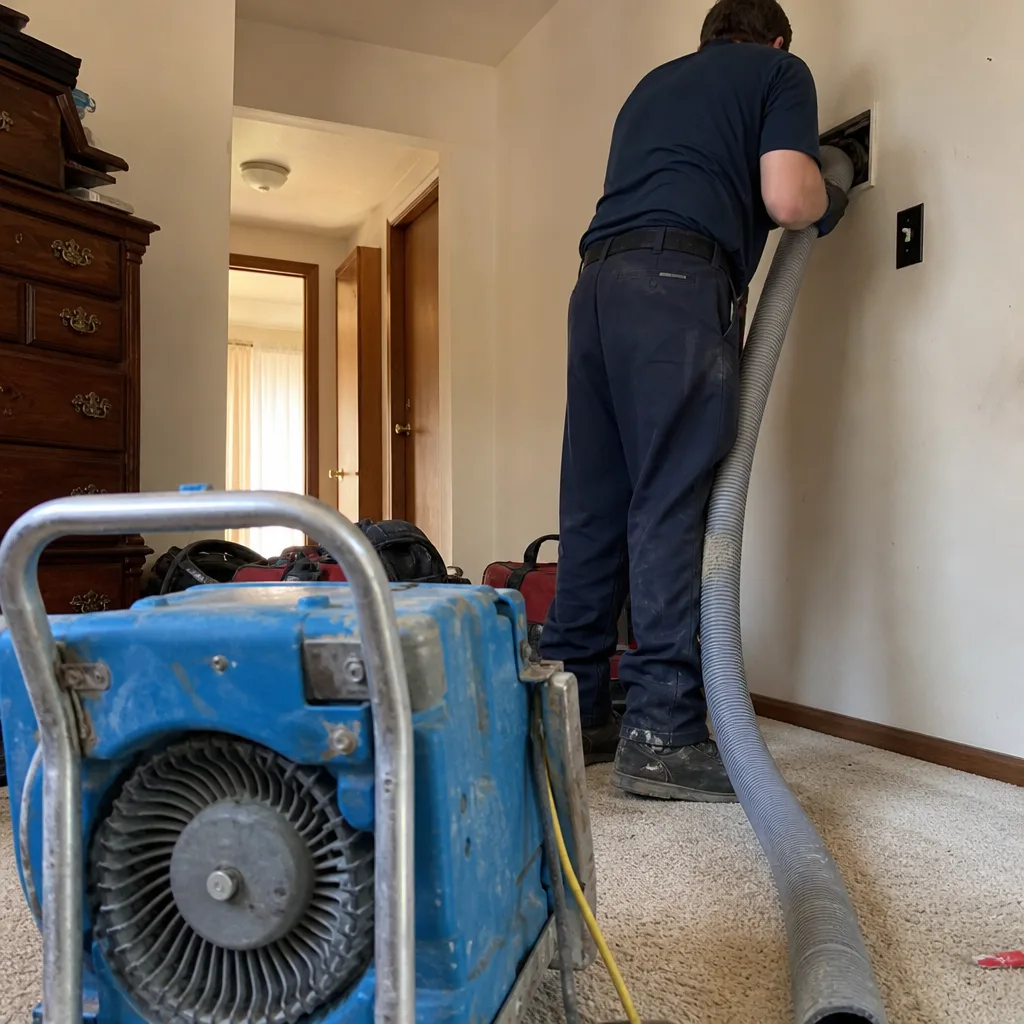 Before
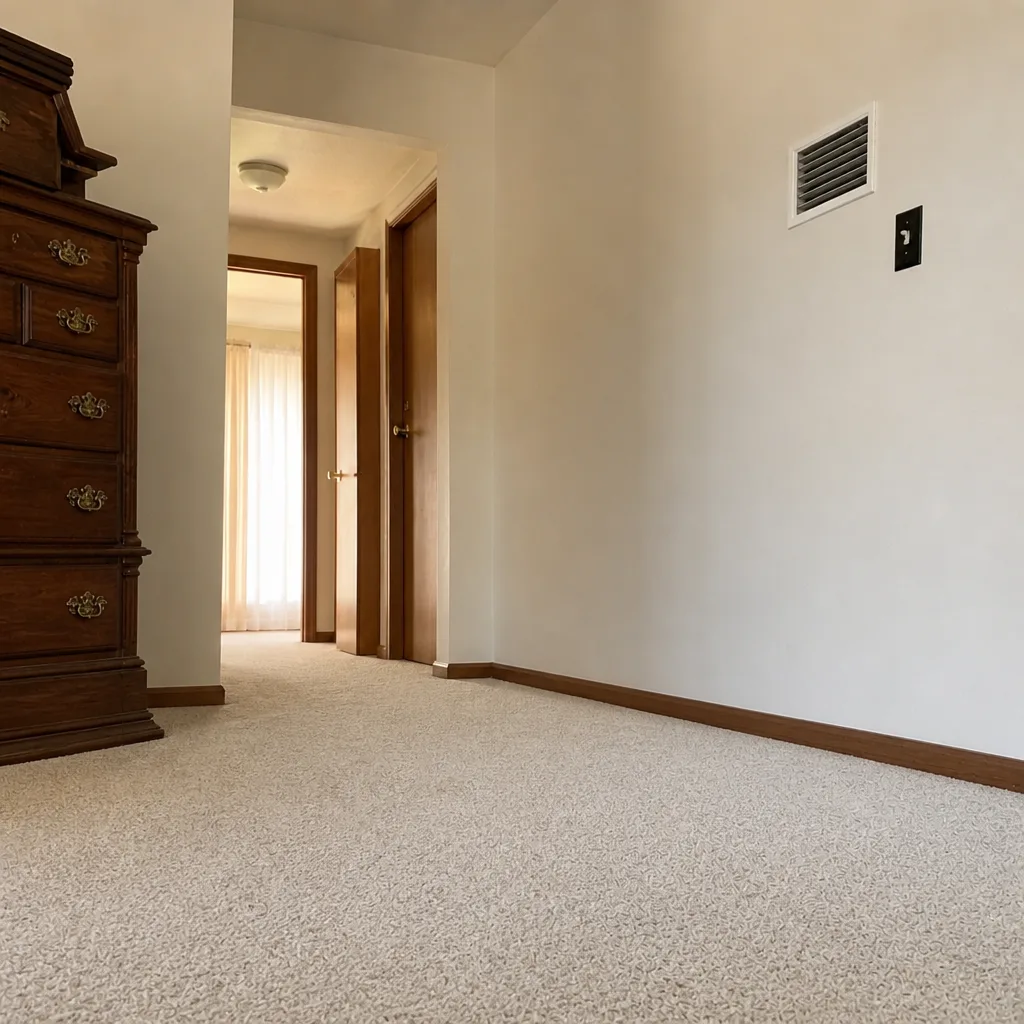 After
Common Mistakes to Avoid
- Running the HVAC system during a smoke event. Every cycle pulls more particulate into the return system. Shut it down until air quality improves, then get inspected.
- Running a central system as a whole-home air cleaner. The filter is designed to protect the equipment, not to purify your indoor air during a smoke event. A portable air cleaner and a shut-down system do more.
- Installing the highest-MERV filter you can find. A filter the blower can’t handle strains the equipment and can freeze the coil. Match the filter to the system.
- Starting cleanup after a flood with a shop vacuum. A shop vac spreads fine mold spores through the room before it captures them. Use HEPA equipment or wait for a professional.
- Letting wet flex duct dry out “on its own.” Porous duct material that stayed wet doesn’t recover. Replacing it is usually cheaper than the mold problem from leaving it.
- Skipping register sealing during a remodel. An hour of plastic and tape prevents a duct cleaning you’ll otherwise pay for later.
- Cleaning up before you document. If you have a claim, photograph and save the inspection report before anything is cleaned. Once the evidence is swept up, it’s gone.
When to Call a Professional
Some post-emergency situations need a professional on site. If your home has had a structure fire, any flooding that reached the duct runs or crawl space, or a prolonged smoke event with the HVAC system running, schedule an inspection before you resume normal operation. If you smell moisture or a musty odor after running the system, that’s the mold window talking. If a remodel ran the HVAC during demolition, get the ducts and the air handler checked. And if you’re planning a renovation, call before demo starts, not after.
Lakewood Air Duct Cleaning Experts offers free estimates in Lakewood. Call (844) 759-1418. We answer 24/7. Fast dispatch from 7am to 7pm, Sunday through Friday. We bring professional-grade Rotobrush and Nikro equipment, and we can clean, sanitize, and upgrade the system’s filtration in one visit, so you’re not coordinating separate contractors for connected problems.
Frequently Asked Questions
A smoke odor inside the home that returns each time the HVAC runs, or a faint burnt smell near the registers, is the most common sign that smoke residue is sitting in the duct system. If the system ran during a heavy smoke event, assume some particulate entered and have the ducts inspected before regular use. Call (844) 759-1418 for a free estimate. We answer 24/7. Fast dispatch from 7am to 7pm, Sunday through Friday.
No, not safely or effectively for either event. Fire residue is a category-3 contamination that requires HEPA capture and mechanical extraction to avoid spreading fine soot, and flood moisture requires moisture assessment and sanitizing within the 48 to 72 hour mold window. Both are jobs for professional equipment. Call (844) 759-1418 for a free estimate.
Within 48 to 72 hours of moisture exposure, because mold colonization inside ductwork can begin in that window. If your flood reached a crawl space or basement duct run, schedule the assessment as soon as water is pumped out. Wait longer and the question shifts from cleaning to replacement. Call (844) 759-1418 for a free estimate.
Pricing is set per job by a written estimate after we see the system, because emergency work on a flooded or smoke-contaminated system isn’t the same job as routine cleaning. That’s the practical answer to the bait-and-switch reputation this industry carries: one flat price per system, agreed before work starts, with before-and-after photos of your own ducts. Call (844) 759-1418 for an exact quote. Estimates are free.
Because they often leave out the parts that matter: HEPA capture at the source, mechanical agitation of duct walls, containment during the job, and the air handler itself. A cheap quote for fire or flood contamination usually means a light vacuum pass and no coil work. Ask what equipment the company uses and whether the inspection includes the plenum and coil. Call (844) 759-1418 for a free estimate.
Seal every register in the work zone with plastic and tape, shut the system off completely including fan mode, and keep it off through heavy demolition. Then schedule a cleaning before the finished space is put back into use. If the system ran during demo, add an air handler cleaning to the scope. Call (844) 759-1418 for a free estimate.
The Bottom Line
Emergencies push contamination into ductwork faster than routine use ever will, and the action that matters most is the same in every scenario: stop the system, then inspect before you run it again. Wildfire smoke needs the HVAC off and a post-event inspection. Flood needs an assessment inside the 48 to 72 hour mold window, with replacement on the table for wet porous duct. Structure fire needs remediation-grade HEPA capture and mechanical extraction, plus sealing to stop odor migration. Renovations need sealed registers and a system shutdown before demo. And documentation, if you’re filing a claim, happens before cleanup, not after. In Lakewood, the homes that come through these events well are the ones where someone asked the question early. Call (844) 759-1418 for a free estimate. We answer 24/7. Fast dispatch from 7am to 7pm, Sunday through Friday.
Related reading: dryer vent cleaning and the full range of Lakewood Air Duct Cleaning Experts services.
Written by the team at Lakewood Air Duct Cleaning Experts.